
Pandan leaf plant is a tropical herb known for its sweet aroma and long green leaves that are often used in Southeast Asian cooking. Many people grow it at home for fresh leaves that can flavor rice, desserts, tea, and coconut dishes. The plant grows best in warm and humid conditions, but it can also survive indoors when given enough light and moisture.
Growing pandan is easier than many beginners expect. Unlike some herbs that need constant trimming and dry soil, pandan likes steady moisture and rich soil with organic matter. Gardeners who already know how to improve difficult soil conditions often find pandan simple to manage once the roots settle in.
Most home growers start with a rooted cutting or a young plant because pandan rarely produces seeds in home gardens. Healthy leaves can reach more than two feet long under the right conditions. Warm temperatures and regular watering help the plant stay green and productive throughout the year.
What Makes Pandan Plant Different From Other Herbs
Pandan belongs to the Pandanus family and grows as a leafy tropical plant rather than a small culinary herb. The leaves contain natural aromatic compounds that release a vanilla like scent when crushed or cooked. Many people compare the smell to a mix of fresh grass, coconut, and sweet rice.
Unlike basil or mint, pandan does not grow from soft stems with clusters of leaves. Instead, the plant forms a dense center where long blade shaped leaves emerge in layers. Mature plants slowly produce side shoots that can be separated and replanted. This growth habit makes pandan useful for long term home cultivation.
Temperature matters more for pandan than for many kitchen herbs. The plant grows best between 70 and 95 degrees Fahrenheit. Growth slows quickly in cold weather, and frost can permanently damage the leaves and roots. Indoor growers in cooler regions often place pots near bright windows or in greenhouses to keep conditions stable.
Water demand is also higher than with drought tolerant herbs. Soil should remain moist but not flooded. Gardeners who enjoy growing moisture loving plants such as aquatic moss and humid plants usually understand the type of environment pandan prefers.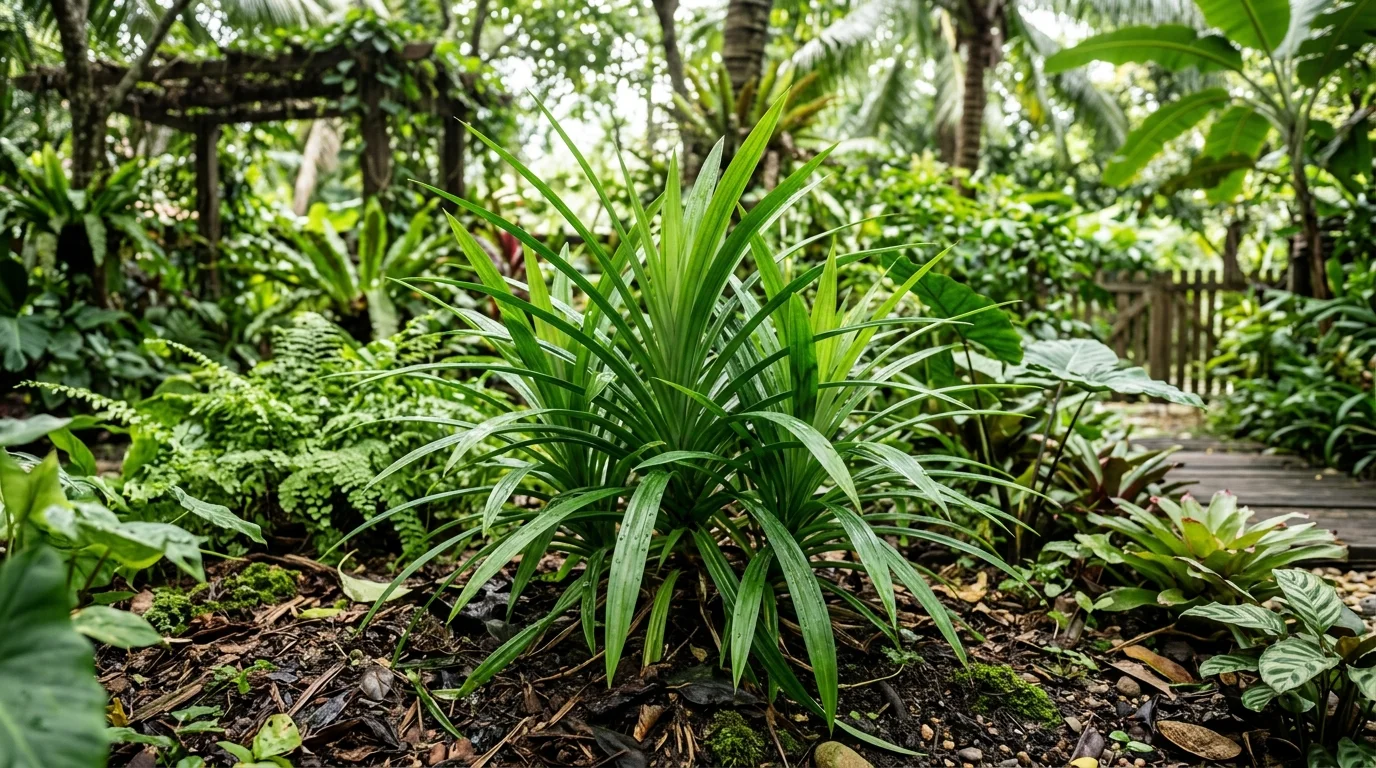
Best Climate and Light Conditions for Healthy Growth
Pandan thrives in tropical and subtropical climates where humidity stays high for much of the year. Outdoor cultivation works best in regions with mild winters and steady rainfall. In colder areas, containers allow the plant to move indoors before temperatures drop below 50 degrees Fahrenheit.
Bright filtered sunlight produces the healthiest leaves. Direct afternoon sun can scorch young plants and cause brown tips, especially during hot dry weather. Morning sunlight combined with partial afternoon shade often creates the best balance for steady growth.
Indoor cultivation requires careful placement because low light slows leaf production. A south facing or east facing window usually provides enough brightness for moderate growth. Artificial grow lights can also help during winter months when daylight hours become shorter.
Humidity plays a major part in leaf quality. Dry indoor air may cause curling or crispy edges. Some gardeners place water trays near the plant or lightly mist the leaves during dry weather. According to the United States Environmental Protection Agency indoor air resources, indoor humidity management can also improve overall plant health and reduce stress caused by dry air conditions.
Wind protection is another factor many beginners overlook. Strong wind can tear the leaves and reduce growth. Outdoor plants do better near walls, fences, or larger vegetation that blocks heavy gusts.
How to Prepare Soil for Pandan Leaf Plant
Pandan grows best in loose soil that drains well while still holding moisture around the roots. Heavy compacted soil can trap water and lead to root rot. Sandy soil dries too quickly and may cause leaf tips to brown. A balanced mixture containing compost, garden soil, and coarse material such as coco peat often works well.
Organic matter improves root development and helps the soil stay evenly moist. Compost also adds nutrients that support leaf production over time. Gardeners who already understand the value of beneficial microbes in natural systems often notice similar benefits when healthy organic soil supports pandan roots.
Container growing requires pots with drainage holes. Water sitting at the bottom of a container can damage roots within days during warm weather. A pot between twelve and sixteen inches wide gives young plants enough room for root expansion.
Soil pH should remain slightly acidic to neutral. A pH range between 6.0 and 7.0 supports nutrient absorption and steady growth. Most commercial potting mixes already fall within this range, although adding too much untreated wood material can alter soil balance over time.
Mulching around outdoor plants can reduce water loss and protect roots from temperature swings. Coconut husk, shredded bark, or leaf compost work well as natural mulch materials. Keep mulch slightly away from the plant base to prevent excess moisture buildup around the stem.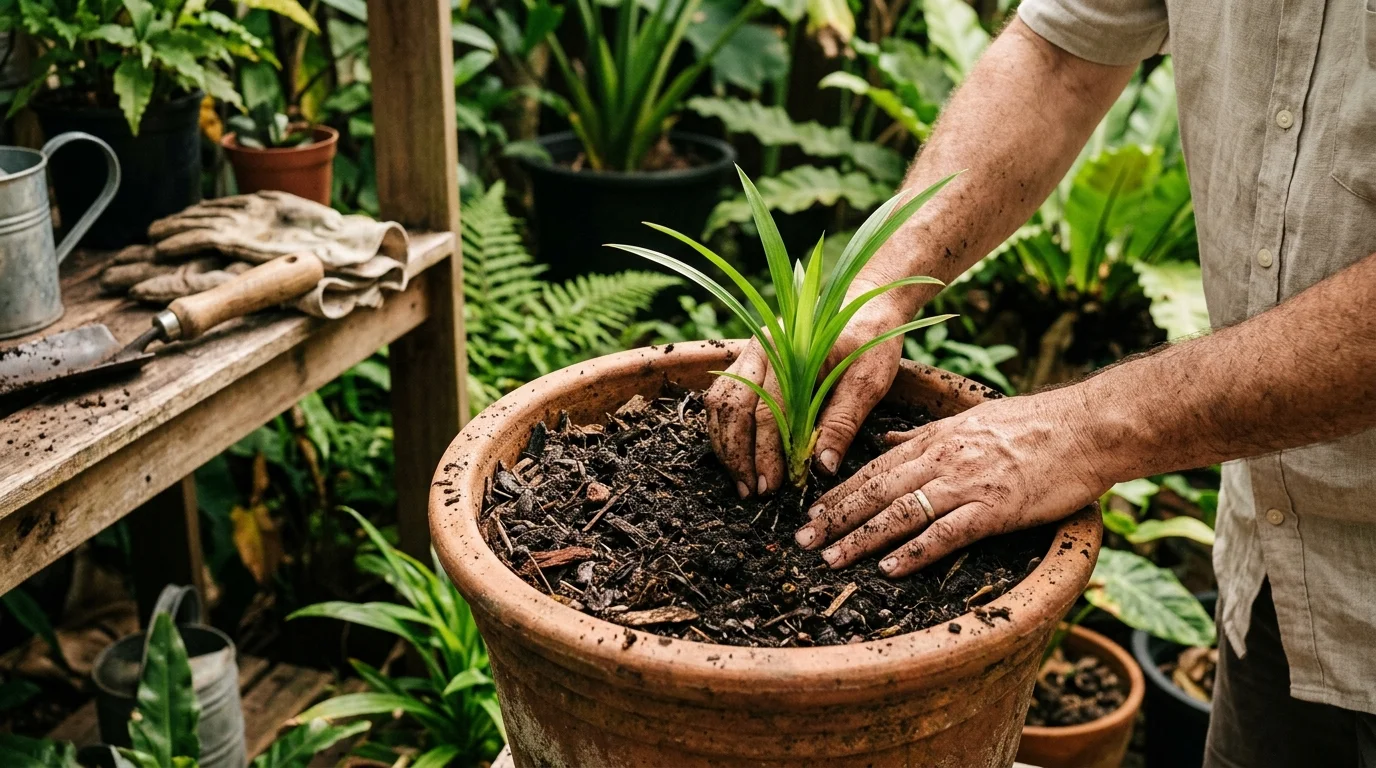
How to Plant Pandan From Cuttings or Offshoots
Most pandan plants are propagated through offshoots that develop near the base of mature plants. These side shoots already contain small roots, which makes establishment much easier than seed propagation. Healthy offshoots usually measure at least six inches tall before separation.
Use a clean knife or garden tool to separate the offshoot from the parent plant. Try to keep as many roots attached as possible during removal. Damaged roots can slow growth for several weeks after transplanting.
Plant the offshoot in moist prepared soil and press gently around the roots to remove air pockets. Water immediately after planting so the soil settles evenly. Newly planted pandan often benefits from partial shade during the first week while the roots adapt.
Consistent moisture remains important during early growth. Avoid letting the soil dry completely between waterings. Young pandan plants typically show new leaf growth within two to four weeks when environmental conditions stay warm and humid.
Some gardeners root offshoots in water before planting in soil. While this can work, long water rooting periods sometimes create weaker root systems compared to direct soil planting. Direct planting generally produces stronger long term growth.
Expert Insight Note
Many growers water pandan heavily after transplanting but forget that warm stagnant soil can damage fresh roots. In tropical field conditions, slight air movement around the container often prevents fungal stress better than adding extra fertilizer during the first month.
Watering and Feeding Schedule That Supports Strong Leaves
Pandan leaf plant needs more water than many household herbs because its natural habitat includes humid tropical ground with regular rainfall. Soil should remain consistently moist, though it should never stay waterlogged for long periods. Checking the top inch of soil each morning helps prevent both overwatering and drought stress.
Container plants dry out faster than those planted in garden beds. During hot weather, some indoor pots may need watering every day. Outdoor plants growing in shaded soil may only need deep watering two or three times each week depending on rainfall and humidity.
Fertilizer supports leaf production because pandan is harvested mainly for its foliage. Balanced organic fertilizer applied every four to six weeks usually provides enough nutrients. Compost tea and diluted fish emulsion are also common choices among home gardeners.
Excess nitrogen can create unusually soft leaves that bend or tear easily. Healthy pandan leaves should feel flexible but firm. Brown edges sometimes indicate inconsistent watering rather than nutrient deficiency.
Rainwater can benefit pandan in areas with hard tap water because mineral buildup occasionally affects long term container growth. Similar moisture sensitive growing methods are also used by gardeners learning how to maintain indoor edible plants under controlled conditions.
Common Problems That Affect Pandan Plants
Yellow leaves are one of the most common pandan issues. Overwatering often causes roots to lose oxygen, while underwatering can lead to dehydration and nutrient stress. Checking soil moisture before watering usually prevents both extremes.
Brown leaf tips may develop from dry air, excess fertilizer, or direct sunlight exposure. Indoor heating systems commonly reduce humidity during winter months, which can damage tropical foliage. Increasing humidity around the plant often improves leaf appearance within several weeks.
Root rot creates a serious threat in poorly drained containers. Affected plants may show drooping leaves even when the soil feels wet. Healthy roots should appear light colored and firm. Dark soft roots usually indicate fungal decay caused by excessive moisture.
Spider mites and mealybugs sometimes appear on indoor plants. These pests feed on plant sap and weaken growth over time. Wiping leaves with mild soapy water can reduce infestations before they become severe.
Some growers mistakenly believe pandan thrives in standing water because it likes moisture. That idea causes many plant losses. Pandan needs moist soil with oxygen around the roots rather than swamp like conditions.
When and How to Harvest Pandan Leaves
Most pandan plants become ready for harvest several months after planting. Mature leaves should appear deep green and flexible. Cutting leaves too early can slow plant development because young plants need enough foliage to support root growth.
Harvest outer leaves first while allowing the center leaves to continue developing. Clean scissors or garden shears help produce smooth cuts that heal faster. Avoid removing more than one third of the plant at one time because excessive harvesting may weaken future growth.
Fresh pandan leaves contain the strongest aroma shortly after cutting. Many cooks tie the leaves into knots before adding them to rice or coconut milk dishes. Crushed leaves release aromatic oils that give food a sweet earthy fragrance.
Leaves can also be frozen for later use. Some gardeners dry them, although drying often reduces aroma intensity. Storage methods matter because moisture trapped in sealed containers can encourage mold growth over time.
Home growers interested in preserving edible plants sometimes apply similar storage habits used for keeping seeds and plant materials fresh over long periods.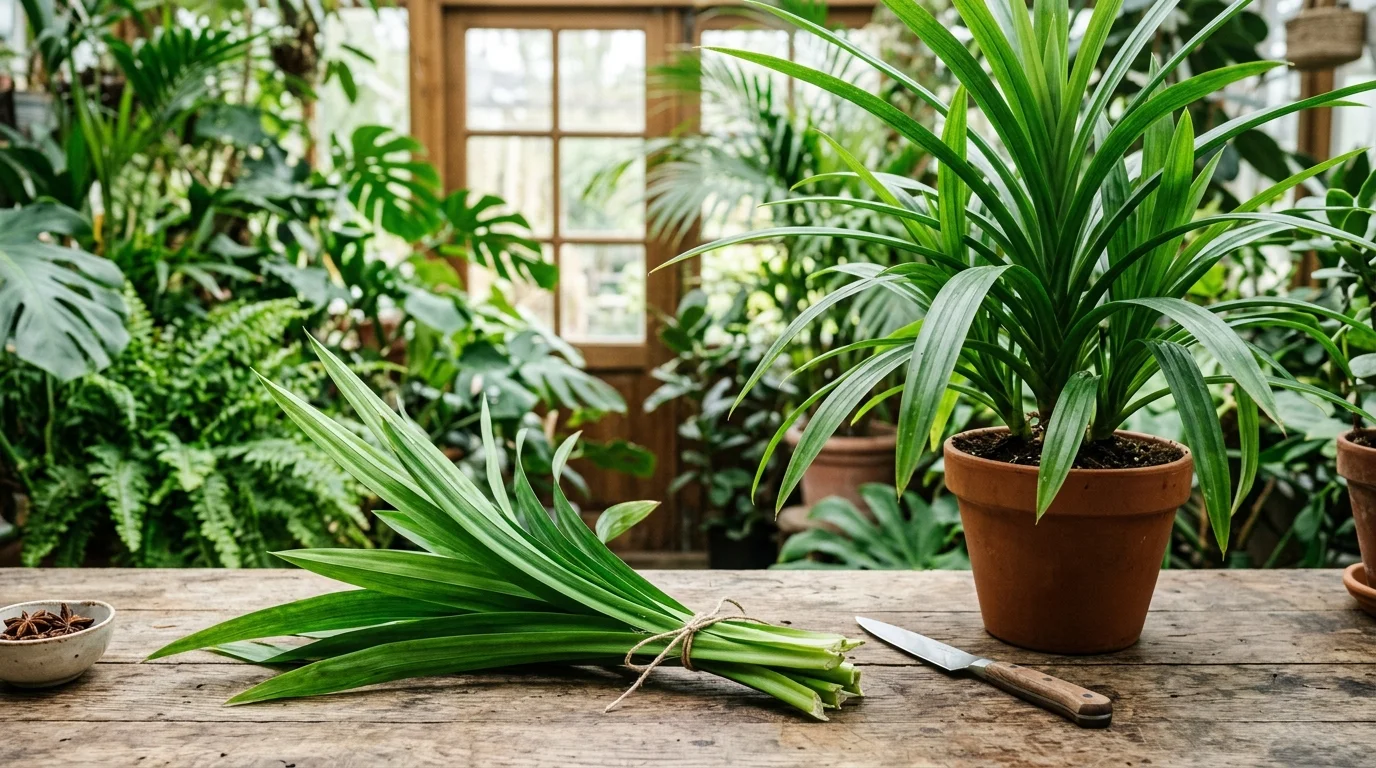
Growing Pandan Indoors Compared With Outdoor Gardens
Indoor pandan cultivation gives growers more control over temperature and moisture, especially in colder climates. Pots can move easily between locations depending on seasonal weather. Indoor plants also face fewer problems from heavy rain or outdoor pests.
Outdoor cultivation often produces larger leaves because natural sunlight and humidity create stronger growing conditions. Garden beds also allow roots to spread more freely than small containers. In tropical regions, mature outdoor pandan plants may continue growing year round without entering dormancy.
Space becomes an important factor indoors because mature pandan can grow several feet wide. Regular trimming helps control size while encouraging fresh leaf production. Containers should also be rotated occasionally so all sides receive balanced light exposure.
Outdoor gardeners should watch for temperature changes during seasonal transitions. Sudden cold nights can damage leaves quickly. Bringing container plants indoors before cold weather arrives prevents shock and helps maintain steady growth through winter.
People who already grow tropical edible plants such as warm weather garden crops usually adapt quickly to pandan care because many environmental needs overlap.