
Campari tomatoes are a sweet, juicy hybrid variety that you can grow successfully in the garden or in containers. These plants are indeterminate, which means they keep growing and producing fruit all season until frost, so they need support and regular care. If you give them plenty of sun, warm soil, and consistent watering, you can harvest clusters of bright red Campari fruit over several months.
What are Campari tomatoes and why grow them
Campari tomatoes are a hybrid cherry type bred for supermarket supply, with a balance of acidity and sweetness and a firm yet juicy interior. They are larger than regular cherry tomatoes but smaller than beefsteak types, typically around 2 to 3 centimeters in diameter, and are sold in clusters on the vine. Because of their flavor and texture, many home cooks use them in salads, roasting, sauces, and even snacks straight from the plant.
From a nutrition point of view, Campari tomatoes are low in calories and rich in vitamin C, potassium, and antioxidants such as lycopene, which is linked to lower risk of certain chronic diseases. The United States Department of Agriculture and other public‑health bodies highlight that including a variety of tomato types in the diet supports heart and eye health. Growing them yourself also lets you control pesticide use, compost type, and water quality, which appeals to gardeners interested in sustainable food production.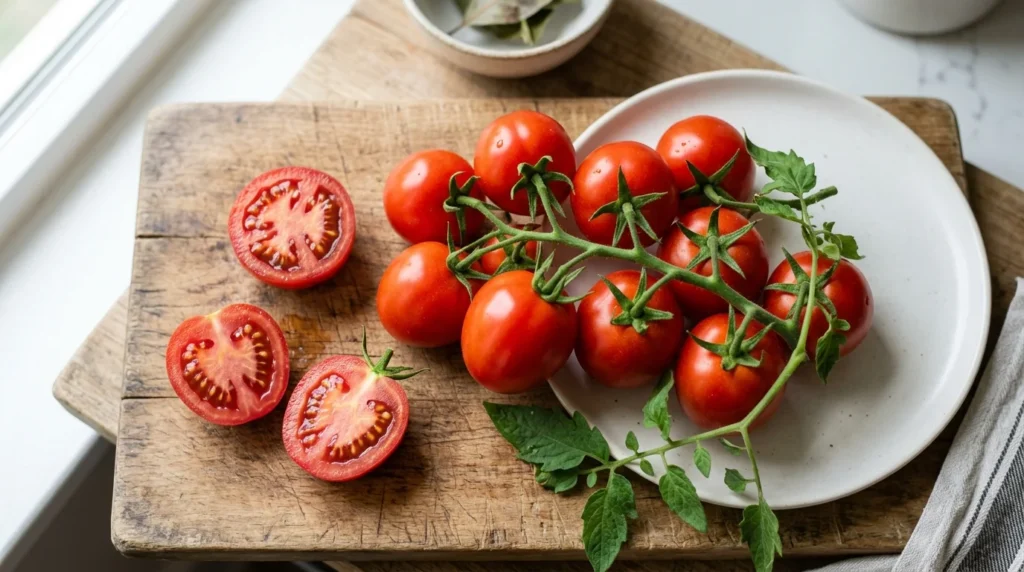
Starting Campari tomatoes from seed or store‑bought fruit
You can grow Campari tomatoes either from purchased seeds or from slices of store‑bought fruit. If you choose seeds, start them indoors about 6 to 8 weeks before your last expected frost, using a light potting mix and a warm spot of 21 to 24°C. Keep the soil evenly moist and give seedlings bright light so they do not stretch and become weak.
A less common method, sometimes used by hobby gardeners, is to slice a ripe Campari tomato into thin rounds, press them into moist soil, and cover them lightly with more mix. Under warm conditions, the seeds inside the fruit slices will sprout into many tiny seedlings, which you can then thin and transplant into individual pots. This technique works best with fresh, slightly soft fruit and shows how easy tomato seeds can be to germinate when given warmth and moisture.
Soil light and temperature needs for Campari plants
Campari tomatoes grow best in loose, rich soil that drains well while still holding enough moisture to support strong roots. A pH between about 6.2 and 6.8 is ideal, so using a simple soil test kit and adding compost or lime if needed helps keep the chemistry right. Raised beds or containers filled with a high‑quality potting mix often give better results than compacted garden soil.
These plants prefer warm, stable temperatures, with daytime highs around 21 to 29°C and nighttime lows near 15 to 18°C. Below about 13°C, growth slows and blossoms may drop, while above 32°C pollen can fail and fruit set becomes spotty. If you grow other container plants such as alfalfa, you will recognize the same need for well aerated soil and consistent warmth.
Best way to plant Campari tomatoes in the garden
When outdoor soil temperatures stay around 15°C at a depth of about 15 centimeters, harden off the seedlings and transplant them into the garden. Space Campari plants about 60 to 90 centimeters apart, with rows set 1.2 to 1.5 meters apart, to allow good air circulation and reduce fungal disease. Before planting, mix in compost or well rotted manure so the soil is rich in organic matter.
Set the seedling so the lower leaves are just above the soil surface, and gently firm the soil around the stem. Water thoroughly and then maintain even moisture, especially in the first few weeks. In cooler climates, black plastic mulch or a cloche can warm the soil and protect young plants, helping them reach the vigorous growth stage faster.
How to support and train indeterminate Campari vines
Campari tomatoes are indeterminate, meaning the main stem keeps growing and branching, often reaching 1.8 to 2.4 meters or more by the end of the season. Without support, the vines will sprawl, fruit may rot on the ground, and airflow will be poor. A sturdy tomato cage, a stake driven deeply into the soil, or a trellis system will keep the plant upright and make harvesting easier.
As the plant grows, gently tie the main stem and major side branches to the support with soft string or cloth strips. Remove weak or crowded side shoots, called suckers, to keep the plant open and improve light penetration. This pruning also channels energy into fewer, stronger stems and larger fruit clusters. If you grow large plants in pots, similar support and pruning methods apply, just modified to fit the container size.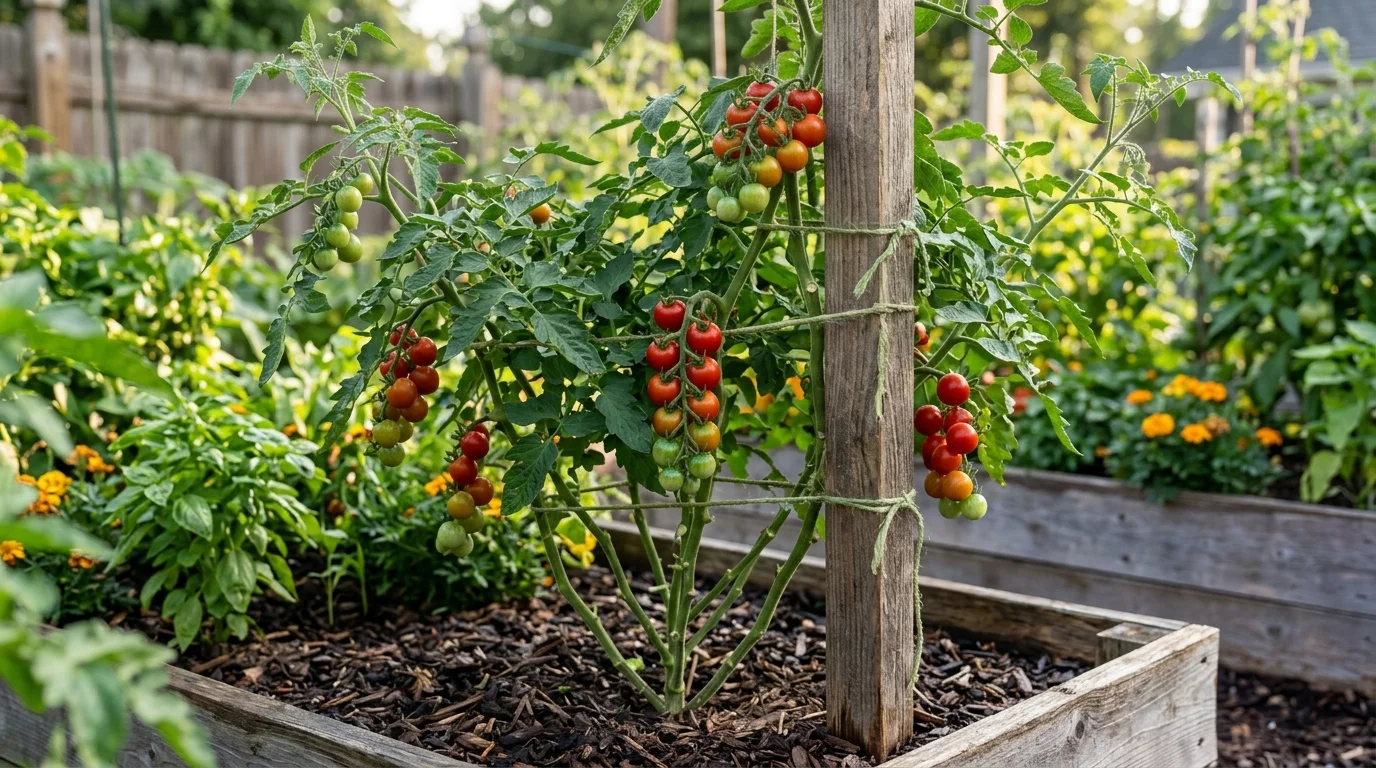
Water fertilizer and common pests for Campari tomatoes
Consistent watering is more important for Campari tomatoes than frequent heavy drenching. Aim to keep the soil evenly moist but not soggy, which usually means a deep watering every few days rather than daily light sprinkles. Mulching around the base with straw or wood chips reduces evaporation, keeps roots cooler, and cuts down on weeds.
Feed the plants with a balanced fertilizer at transplant and a light side‑dressing when the first fruits start to swell. Avoid over‑applying nitrogen, which can push leafy growth at the expense of fruit. Common pests such as aphids, whiteflies, and tomato hornworms can show up; inspect leaves regularly and use insecticidal soap or hand‑picking to limit damage. If you already manage a small vegetable patch, many of the same pest‑control habits will work for Campari.
Harvesting Campari tomatoes and using the fruit
Campari tomatoes are ready to pick when they are uniformly bright red with a slight give when gently squeezed. The fruit should still hold its shape and not feel mushy. You can harvest whole clusters by cutting the stem just above the cluster, or pick individual tomatoes as they ripen for a staggered harvest.
Because of their sweetness and firmness, Campari tomatoes are excellent for salads, cold sandwiches, and fresh snacking. They also hold up well to roasting, which concentrates their flavor and makes them a favorite for savory dishes and bruschetta. Compared with paste tomatoes such as Roma, Campari have more water content, so they may need a bit more simmer time if you use them in sauces, but the taste is often worth the extra cooking.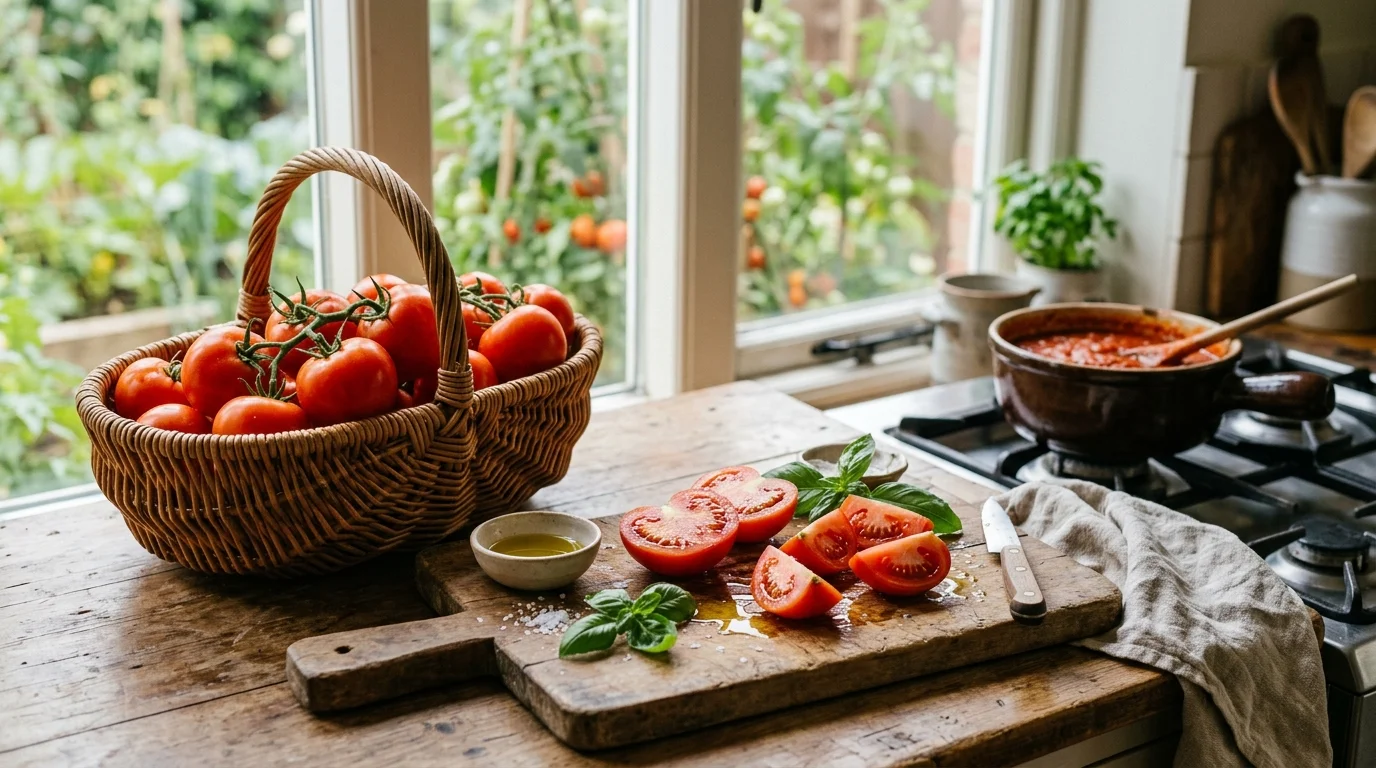
Economic and environmental benefits of growing Campari at home
Growing your own Campari tomatoes can cut down on supermarket trips and packaging waste, especially if you harvest them in season instead of buying imported fruit in plastic clamshells. A single well cared‑for Campari plant can produce several kilograms of fruit over a season, which can lower the effective cost per tomato over time, even when you count seeds, soil, and water.
At a small scale, homegrown tomatoes such as Campari also reduce the food‑miles associated with supermarket produce. If you combine them with other edible plants and water‑saving growing methods learned from guides such as how to grow a cactus from seed, you can create a low‑water home garden that still produces flavorful, high‑quality fruit.
Expert Insight Note
In real greenhouse trials, Campari plants that are lightly pruned and grown in open, airy conditions produce not only heavier clusters but also more uniform fruit size, which is what buyers at retail stores look for. At home, you can copy this by treating your Campari like a mini commercial crop: keep the canopy open, water at the base, and harvest often to trigger more flowering. This approach often delivers bigger, shinier fruit than a dense, crowded plant that is left to grow wild.
Hidden costs and misconceptions about Campari tomatoes
One common misconception is that Campari tomatoes are just a marketing label with no real difference from other cherry types. In practice, they are a patented hybrid selected for firmness, disease resistance, and consistency in size and flavor, which also means that seeds from your home‑grown fruit will not reliably reproduce the exact supermarket Campari. Many gardeners who save seeds are surprised when the next generation has different color, shape, or taste.
Another hidden cost is the water and plastic sometimes used in commercial Campari production. Large‑scale greenhouse and vertical farms can use a lot of energy and water, even though they reduce land use. Growing your own plants, even in small pots, gives you more control over inputs and can lower your personal environmental footprint. If you are already using organic methods or composting kitchen scraps, Campari tomatoes fit neatly into a circular food‑garden system.
Trimming and end‑of‑season care for Campari plants
As the season progresses, older leaves at the base of the plant may turn yellow or brown from age or disease. Removing these leaves improves airflow and makes it harder for soil‑borne fungi to climb up the stem. Do not tear the leaves off roughly; instead, cut them with clean scissors or pinch them at the stem to avoid damaging the plant.
When frost approaches in your area, cut back the longest vines and remove any remaining small green fruit unless you plan to ripen them indoors. If you grow Campari in containers, you can move the pots to a greenhouse or protected area to extend the harvest slightly. Any leftover ripe fruit can be roasted, canned, or frozen, giving you a taste of summer Campari long after the plant has finished its cycle.