
Growing lilies from seed is one of the most rewarding and misunderstood gardening projects a home grower can take on. Most people assume lilies only grow from bulbs. Many garden centres reinforce this idea by selling bulbs almost exclusively. The truth is that every lily type produces viable seeds, and growing from seed gives you access to genetic variety, lower cost, and the genuine satisfaction of taking a plant from its earliest stage to full bloom.
The challenge is that “lily” covers a large group of plants with very different growing requirements. Canna lilies, water lilies, tiger lilies, and calla lilies are not the same plant and do not follow the same rules. A technique that works perfectly for canna seeds will fail completely with water lily seeds. This guide covers each major type separately, explaining exactly what the seeds need, how long the process takes, and what commonly goes wrong.
What Lily Seeds Look Like and How to Collect Them
Before planting anything, you need to know what viable lily seeds look like and how to collect them properly. Many first-time growers harvest seeds too early or confuse seed pods with other plant structures, which explains a large proportion of failed attempts.
Canna lily seeds are small, hard, round black pellets roughly the size of a garden pea. They form inside spiky seed pods that develop after the flower fades. The pods turn from green to brown as they mature. Wait until the pods are fully brown and beginning to crack open before harvesting. Seeds collected too early are not yet viable and will not germinate regardless of how well you treat them.
Water lily seeds develop inside a spongy, submerged pod that swells and eventually bursts underwater, releasing seeds that sink to the bottom. To collect them before this happens, place a small plastic bag over the ripening pod and loosely secure it to the stem. Allow the pod to mature inside the bag. When it splits open, the bag captures the seeds. Hardy water lily seeds should be kept in water after collection. Tropical water lily seeds should be dried on a paper towel and refrigerated until planting time.
Tiger lily seeds are flat, papery, and light brown, forming in three-chambered pods at the tops of stems after flowering in late summer. Collect them when pods have turned brown and dry. Note that tiger lilies also produce small black bulbils along their stems, which are often mistaken for seeds. Bulbils are actually miniature bulbs that produce exact genetic copies of the parent plant. True seeds, by contrast, produce new genetic combinations. Both are worth collecting but they grow differently.
Calla lily seeds form inside a pale green to tan pod that develops after the flower spathe dies back. Each pod contains one to two seeds. Allow the pod to dry fully on the plant before harvesting. Store seeds in an airtight container in a cool location if you are not planting immediately.
How to Grow Canna Lily from Seed
Canna lilies are the most forgiving of all lily types to grow from seed. They germinate reliably with the right preparation and can bloom in their first year if started early enough indoors. The one non-negotiable step is scarification. Canna seeds have an extremely hard outer coat that prevents water from reaching the embryo inside. Without breaking through this coat, the seed will sit dormant for months or simply rot.
Scarify each seed by rubbing one side firmly against a metal file or coarse sandpaper until the white inner material becomes faintly visible. You are not trying to grind the seed down to nothing. You just need to thin the coat enough for water to penetrate. An alternative is to nick the seed coat with a pair of nail clippers, taking care to remove just a small piece without cutting into the embryo. Once scarified, soak the seeds in lukewarm water for 24 hours. Seeds that sink and begin to swell are viable. Discard any that float and show no change after a full day of soaking.
Plant scarified, soaked seeds in small pots filled with a sterile seed-starting mix. Press each seed about one centimetre below the surface and keep the soil consistently moist but not waterlogged. Place pots in a warm location where temperature stays between 18 and 23 degrees Celsius. Germination takes one to two weeks. Once seedlings reach six inches tall, they can be moved to larger containers or transplanted outdoors after the last frost date. According to University of Minnesota Extension, starting seeds indoors eight weeks before the last expected frost gives the plants enough time to establish before summer heat arrives. Cannas grown from seed can reach blooming size within the same growing season, which makes them one of the most rewarding lilies to raise from scratch.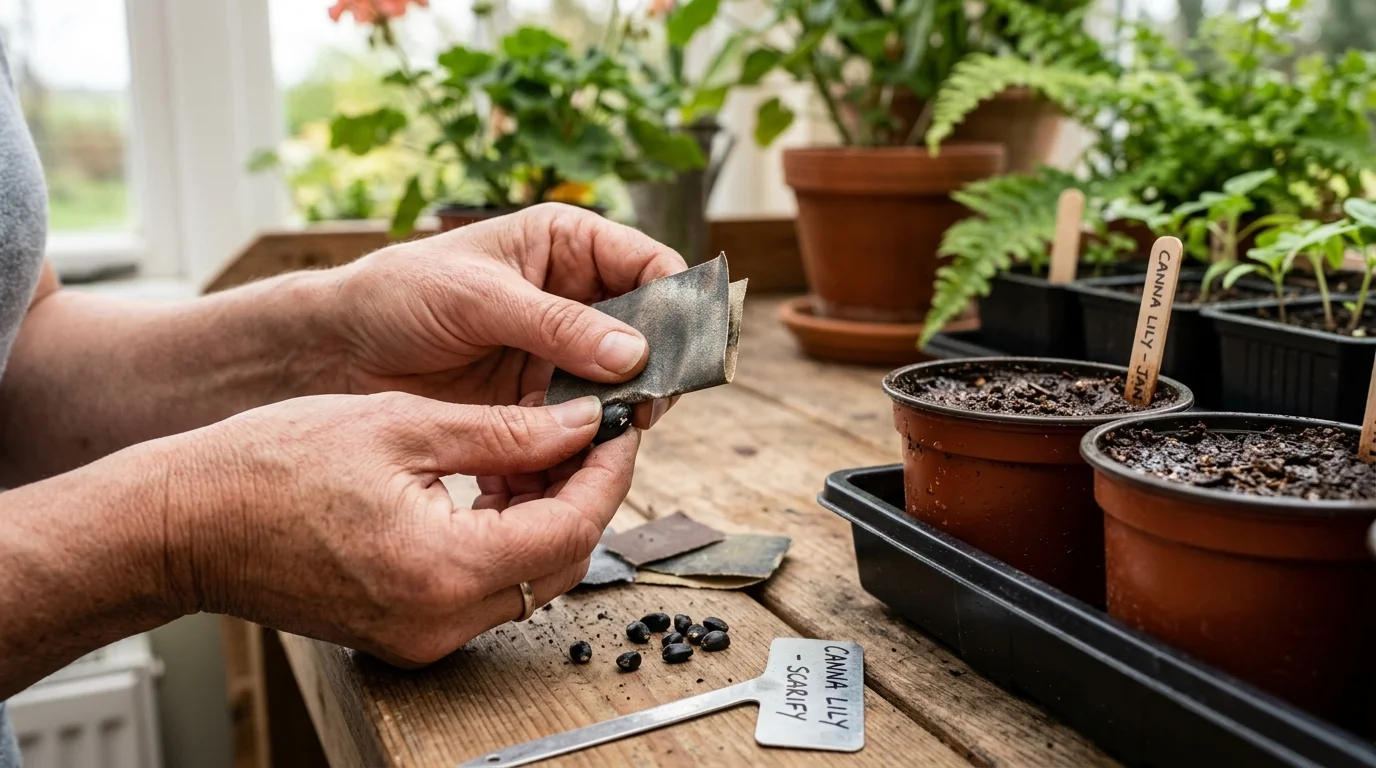
How to Grow Water Lily from Seed
Water lily seeds require completely different conditions from any other lily type. These are aquatic plants and their seeds need to be treated as such from the moment of collection through every stage of germination. Trying to germinate water lily seeds in standard potting mix on a windowsill produces no results.
The first decision is whether you are working with hardy water lilies or tropical varieties. Hardy water lilies tolerate cool water and can be kept submerged in room temperature water from collection through planting. Tropical water lilies need warm water between 21 and 27 degrees Celsius to germinate and are less tolerant of cold. Temperature management for tropical varieties is strict. Germination in water that is too cool will simply not happen, regardless of how long you wait.
To plant water lily seeds, fill a shallow container with heavy clay-based soil or an aquatic planting mix. Avoid standard potting soil, which floats when submerged and contains fertilisers that cloud the water and can damage seedlings. Press seeds gently into the soil surface without burying them deeply. Cover with a thin layer of fine gravel to anchor them. Place the container in a larger vessel of water so the soil surface sits just below the waterline. Set the whole setup in a warm, bright location that receives at least six hours of light daily. Water temperature is as important as air temperature during germination. Change the water every few days to keep it clean and prevent fungal growth.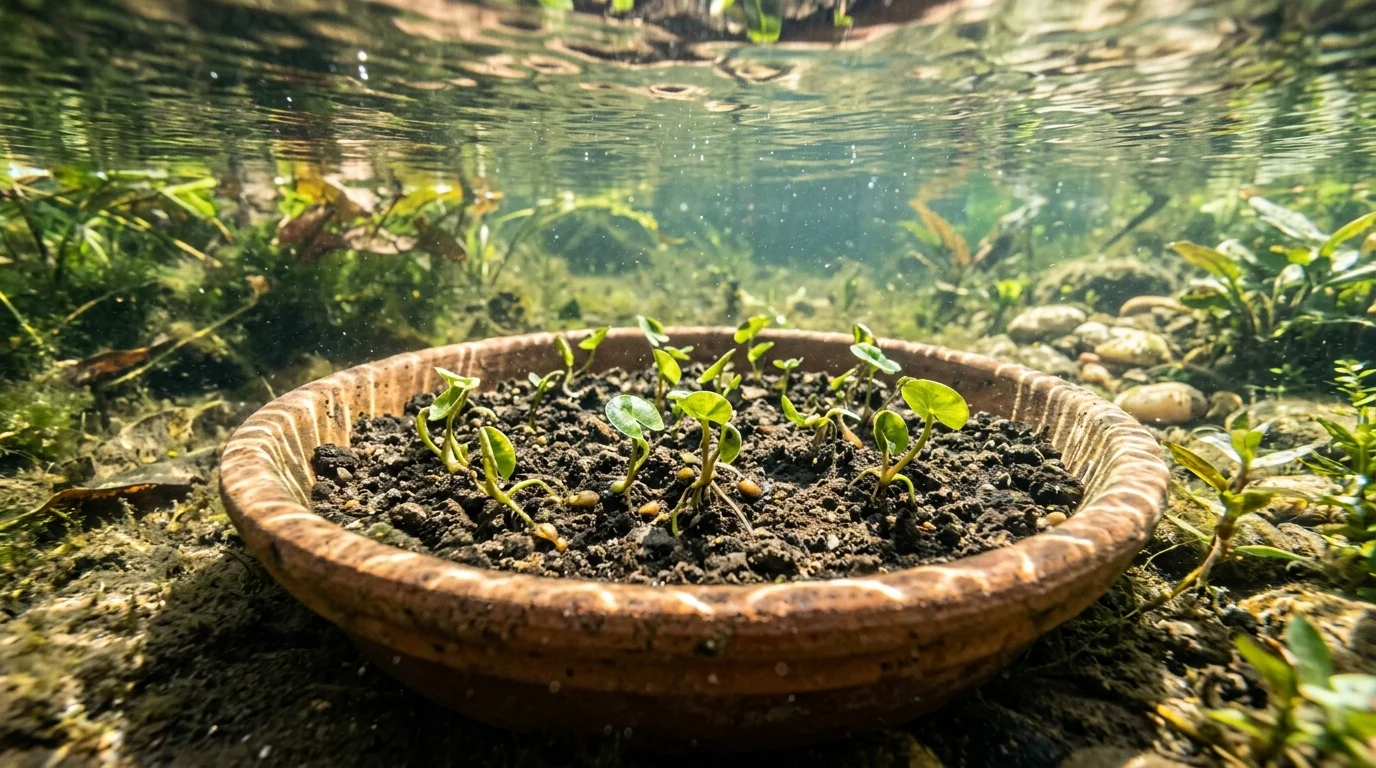
Germination takes two to three weeks for most hardy varieties. Once seedlings develop three to four leaves, move each plant to its own small container and gradually increase the water depth as the plant grows. Transition outdoor plants to a pond only after night temperatures are consistently above 13 degrees Celsius.
Expert Insight Note
One of the most consistent causes of failure when growing lilies from seed is confusing epigeal and hypogeal germination types, and treating all lilies as if they germinate the same way. Epigeal lilies, which include Asiatic hybrids, trumpets, and canna lilies, push their first leaf above ground within weeks of sowing and are straightforward to manage. Hypogeal lilies, which include martagon, auratum, and many native species, produce a small underground bulblet first and show no visible above-ground growth for months. Growers who do not know this difference discard apparently dead pots of hypogeal lilies in the first year, throwing away plants that were actually developing normally underground. If you sow lily seeds and see nothing after two months, do not give up or repot. Keep the container moist and wait. Many species follow a two-stage germination across two separate temperature cycles before any leaf appears.
How to Grow Tiger Lily from Seed
Tiger lily seeds require cold stratification before they will germinate. This is a process that mimics winter conditions and signals to the seed that it is safe to break dormancy. Seeds planted without stratification in spring will sit without germinating until they have experienced a cold period, which can mean waiting an entire extra year for results.
There are two practical approaches to stratification. The first is autumn sowing directly into the ground. Sow seeds in late autumn after temperatures have dropped below 10 degrees Celsius. The seeds sit in the soil through winter, experience natural cold and moisture, and germinate in spring when temperatures rise. This method requires no special equipment and produces excellent results in most temperate climates.
The second approach is indoor cold stratification for spring planting. Place seeds in a damp paper towel, seal them in a plastic bag, and refrigerate for eight to twelve weeks. The temperature should stay between 2 and 5 degrees Celsius. After the stratification period, sow seeds indoors in a sterile seed mix at a depth of about half a centimetre. Place the pots in a bright location and keep the soil consistently moist. Germination typically begins within two to four weeks after the cold period ends.
Tiger lily seedlings grow slowly. First-year plants focus on root development and rarely produce more than a few leaves. Second-year plants gain height and leaf mass. Most tiger lilies grown from seed produce their first flowers in the second or third year. This long timeline is the main reason most gardeners choose bulbs, but seed-grown plants are equally strong once established and often show better disease resistance than bulb-propagated stock.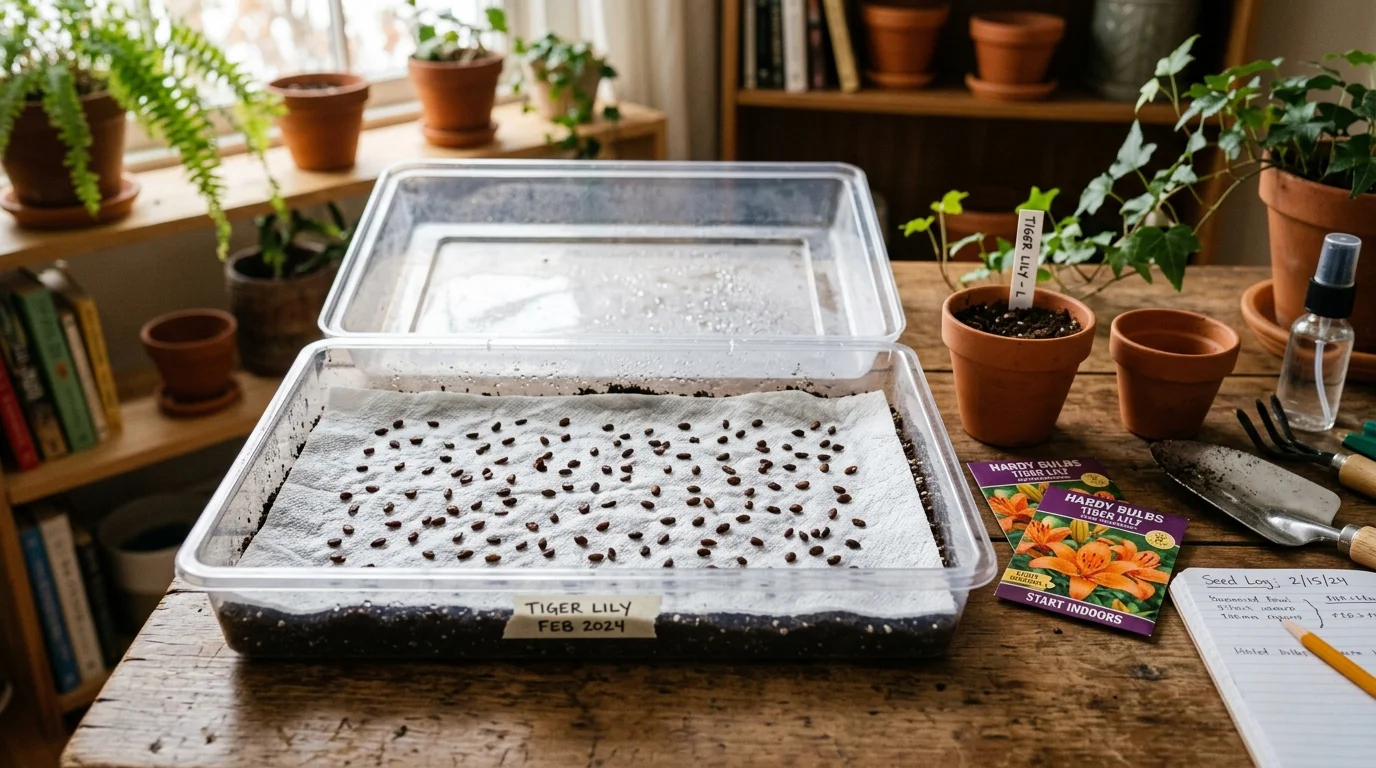
How to Grow Calla Lily from Seed
Calla lilies are grown from seed less often than other types because they take the longest to reach flowering size. A calla lily started from seed can take two to three years before producing its first bloom. That said, the process itself is not complicated, and the resulting plants are genetically unique and often more vigorous than divisions.
Start by soaking seeds in warm water for eight to twelve hours to soften the outer coat. Unlike canna lily seeds, calla lily seeds do not need scarification. After soaking, spread seeds on a damp paper towel and fold the towel over them. Place the folded towel in a cool location such as a basement for several days and check for signs of germination. Discard any seeds that show no activity after five days. Seeds that show a small white root emerging are ready to plant.
Plant germinated seeds just below the surface of a soilless potting mix in small individual pots. Keep the soil moist and place pots in a warm location with bright indirect light. Calla lily seeds need light to germinate, so do not bury them deeply. Germination takes one to three months. Once the seedling produces its second set of true leaves, transplant it to a six-inch pot using an acidic potting mix. Calla lilies prefer slightly acidic conditions, which is something growers managing other acid-loving plants understand well. Similar attention to soil pH shapes outcomes across many plants, including the careful growing conditions needed when starting cherimoya seeds that also require specific soil chemistry for healthy establishment.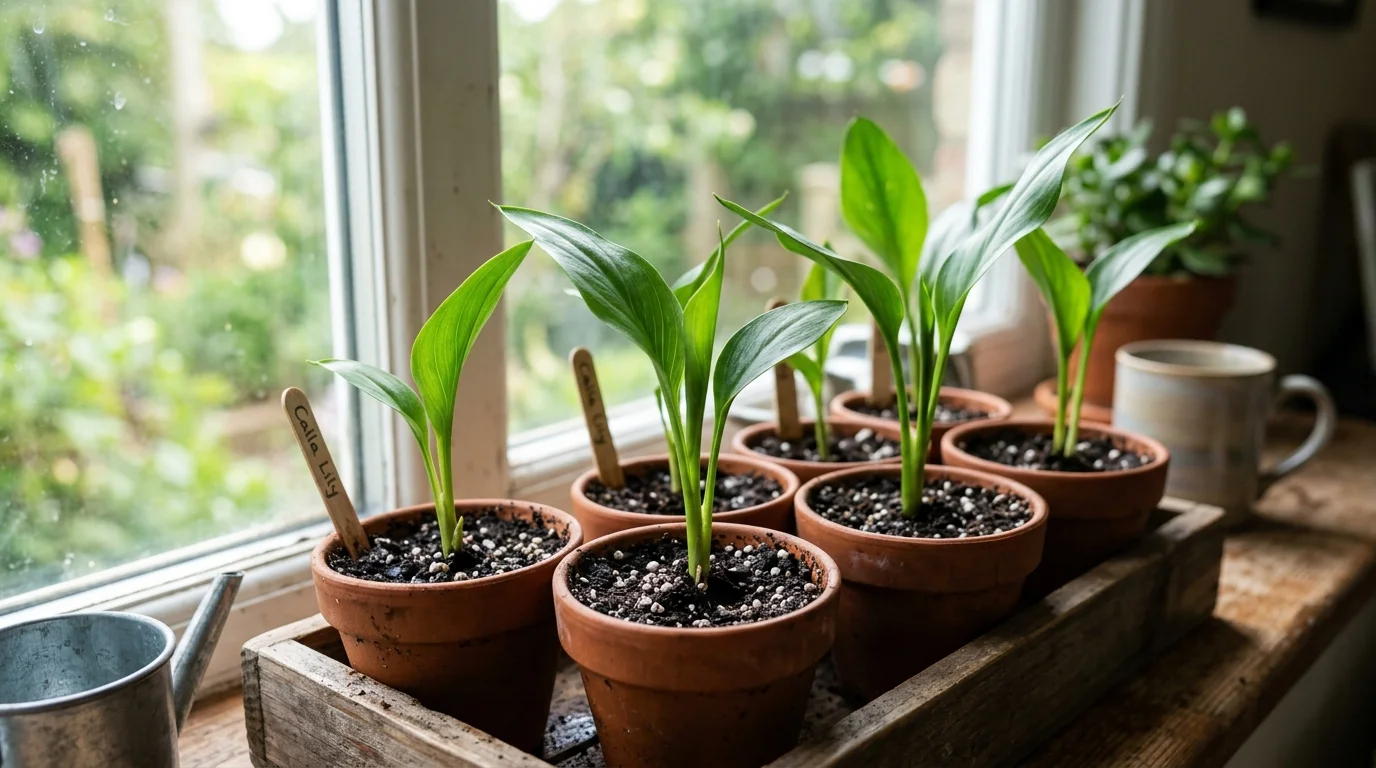
What Most People Get Wrong When Growing Lilies from Seed
The most widespread mistake is treating all lily seeds identically. A grower who has success with canna lilies often applies the same technique to tiger lily seeds and gets no results. The assumption that one approach fits all lily types is responsible for more failed germination attempts than any other single error.
The second common mistake is harvesting seeds too early. Lily seeds that are not fully mature when collected will not germinate regardless of how well the growing conditions are managed. The seed coat must complete its development and the embryo inside must fully mature before the seed has the energy reserves needed to sprout. Always wait until pods are fully brown, dry, and beginning to crack open naturally before collecting.
A third mistake specific to water lilies is using the wrong soil type. Regular potting mix floats when submerged, which disrupts seed contact with the substrate and releases fertiliser compounds into the water that can harm young seedlings. Heavy clay-based aquatic soil is the correct choice and it is not interchangeable with anything else. Growers who manage other pond-related growing situations, such as those working on beneficial bacteria in pond environments, understand that aquatic growing conditions require specific substrates and water chemistry rather than the general-purpose materials used in standard garden beds.
Finally, impatience causes many growers to abandon lily seedlings too soon. Hypogeal species show no above-ground growth for months while developing underground. Calla lilies take years to bloom. Tiger lilies take two to three growing seasons to flower. Understanding the timeline for each type before you plant removes the frustration that comes from expecting faster results than the plant biology allows.
General Care for Lily Seedlings Across All Types
Once lily seedlings are established regardless of species, a few consistent practices apply across all types. Consistent moisture during early growth is non-negotiable. Lily seedlings have shallow root systems that dry out faster than mature plants and cannot recover from prolonged drought stress the way established bulbs can.
Avoid strong fertiliser applications on young seedlings. A diluted liquid fertiliser at half the recommended rate applied every three to four weeks during the growing season provides enough nutrition without burning tender roots. Full-strength fertiliser on seedlings causes root damage that stunts growth for weeks.
Protect seedlings from slugs and snails, which are the most damaging pests at the seedling stage across all lily types. Young lily shoots emerging from soil are particularly vulnerable in the first two to four weeks after germination. A physical barrier such as a copper tape ring around pots or a grit layer on the soil surface around garden seedlings reduces losses significantly without chemical intervention.
For gardeners growing multiple plant types alongside lilies, the same attention to seedling moisture management that applies here carries across to other seed-grown crops. The care involved when starting from seed, whether you are growing ornamental lilies or working through the steps of growing a cactus from seed, shares the same fundamental requirement: match your watering and feeding to what the seedling can actually absorb at its current stage of development.