
Chia seeds are one of the few natural foods that seem to defy the standard rules of shelf life. While most seeds and grains begin to lose their nutritional value or develop off flavors within a year, the seeds of the Salvia hispanica plant are biologically designed for long term survival. Understanding whether your chia seeds have truly expired requires looking past the date printed on the bag and understanding the chemistry of the seed itself.
The Biological Resilience and Shelf Life of Chia Seeds
The primary reason chia seeds last so long is their incredible concentration of antioxidants. In environmental science, we often study how plants protect their genetic material under stress conditions, similar to how seasonal plants like daffodils support pollinator ecosystems through natural resilience. Chia seeds are loaded with compounds such as chlorogenic acid, caffeic acid, myricetin, and quercetin that act as natural preservatives.
These compounds prevent the delicate fats inside the seed from reacting with oxygen and turning rancid. While a commercial best by date usually suggests a shelf life of two years, whole chia seeds can remain safe and nutrient dense for four to five years if stored in a cool and dry place.
There is a clear difference between commercial expiration and biological degradation. Commercial dates focus on flavor and market standards, while actual expiration happens only when antioxidant protection fails and internal oils begin to break down.
Physical Indicators of Rancidity and Oxidative Stress
When chia seeds go bad, they rarely develop mold unless moisture is present. Instead, they undergo oxidative stress where essential fatty acids degrade due to oxygen exposure. This process affects the Omega 3 oils that define their nutritional value.
The scent test is a reliable method to detect this change. Fresh seeds have a neutral or slightly nutty aroma, while rancid seeds smell like varnish or bitter oil. This chemical shift signals that oxidation has already occurred.
Taste also provides confirmation. A sharp, bitter, or soapy flavor means the lipids have broken down. Visual inspection helps as well, since large clumps often indicate moisture entry which can lead to bacterial growth.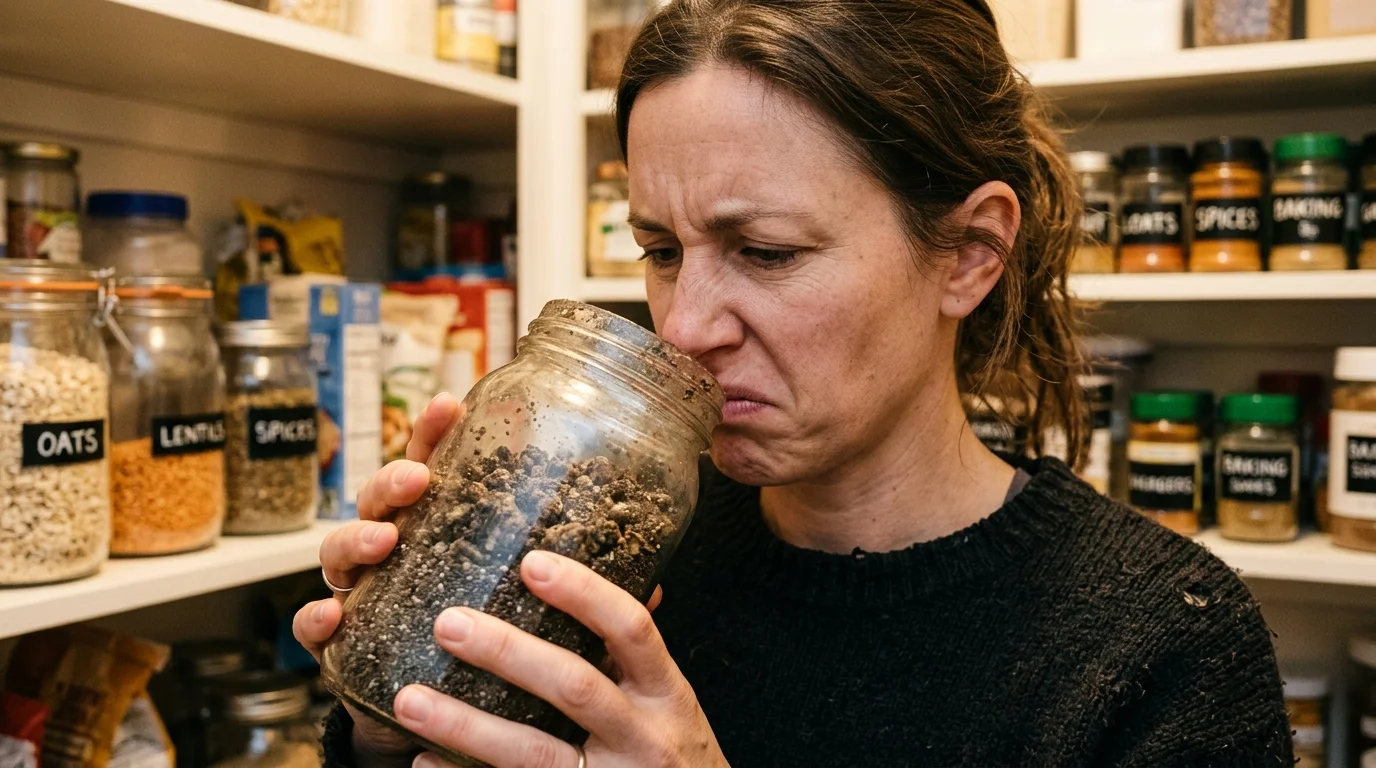
Optimal Preparation Methods and Hydrophilic Activation
Chia seeds are naturally hydrophilic, meaning they absorb water efficiently. A single seed can absorb many times its weight in liquid. This process is not just culinary but biological, as it helps unlock nutrients stored within the seed.
When activated with liquid, the outer fiber layer begins to soften and break down. This allows digestive enzymes to access proteins and minerals more easily, improving nutrient absorption.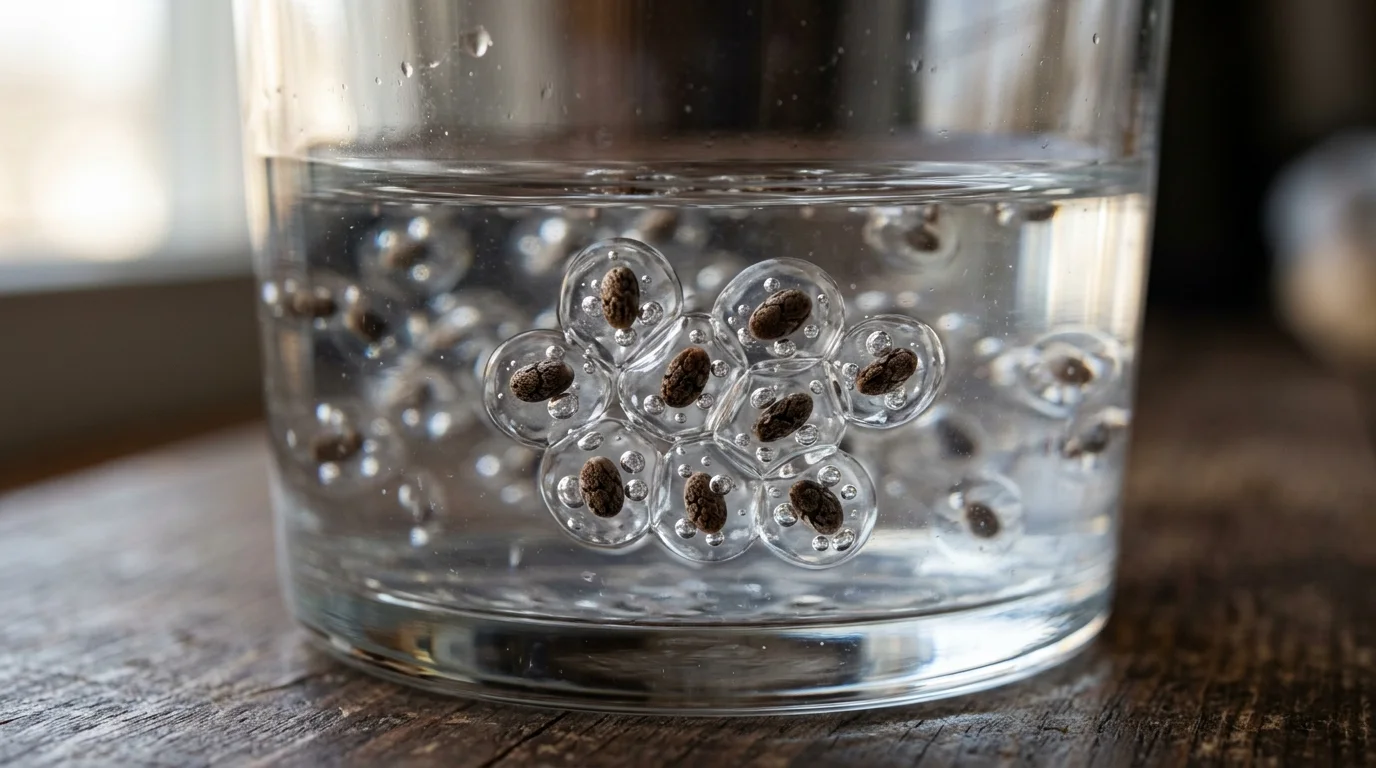
Whole chia seeds naturally protect their internal oils from oxidation. Grinding breaks this protection and reduces shelf life from years to just a few months.
The Role of Soaking in Fiber Optimization and Weight Management
When soaked, chia seeds develop a gel like coating called mucilage. This gel is made primarily of soluble fiber that expands significantly when hydrated. It slows down carbohydrate digestion and helps maintain stable blood sugar levels.
This process also creates a strong feeling of fullness. Because the seeds expand before consumption, they take up more space in the stomach and digest slowly. This supports appetite control and digestive regularity.
Clinical Benefits and the Metabolic Impact of Seed Consumption
Chia seeds are a complete plant based protein source containing all essential amino acids. Their metabolic benefits are strongly linked to alpha linolenic acid, a type of Omega 3 fatty acid associated with reduced inflammation.
According to research shared by the Harvard T.H. Chan School of Public Health, regular consumption may help improve cholesterol levels and support heart health. The fiber content also promotes gut bacteria growth, which plays a key role in digestion and immune balance.
Agricultural Origin and the Economics of Global Superfood Demand
The history of chia seeds traces back to ancient Mesoamerica where they were a staple crop. Today they are part of a growing global market driven by increasing demand for nutrient dense foods and climate resilient agriculture.
Countries like Argentina and Peru remain major producers, while Australia has developed advanced farming systems to improve yield consistency. This global expansion ensures better availability and fresher supply for consumers.
Veterinary Considerations for Canine Nutrient Absorption
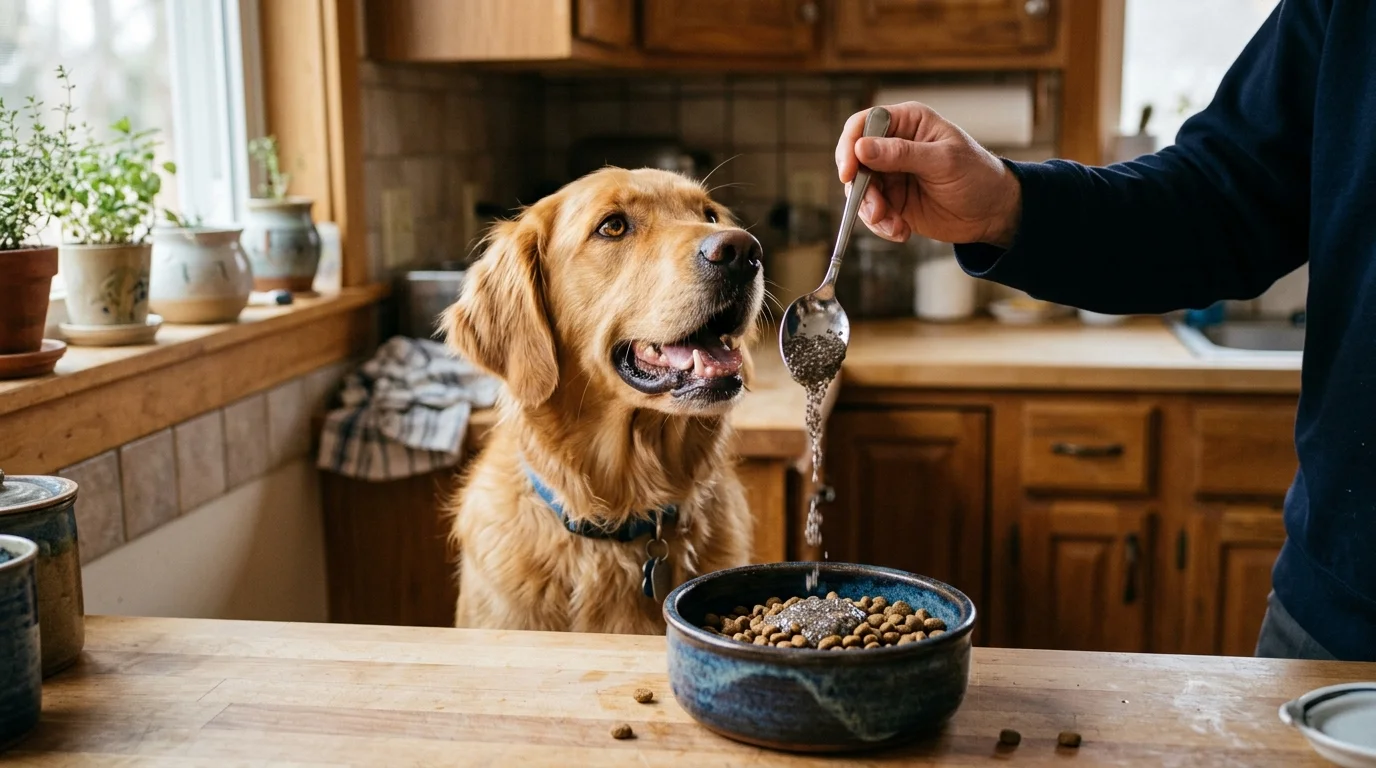
Chia seeds are now commonly added to pet diets to improve coat health and joint function. Dogs can digest them effectively when prepared correctly, but dry seeds can pose risks due to rapid water absorption.
If consumed dry in large amounts, seeds may swell inside the digestive system and cause discomfort. Pre soaking helps prevent this issue and improves nutrient absorption. Starting with small portions ensures the digestive system adapts without negative effects.