
Growing a cactus from seed is a masterclass in patience and biology. Unlike rapid vegetable crops, cacti require specific environmental triggers to break dormancy. This guide bridges the gap between home gardening and botanical science, showing you exactly how to cultivate these resilient plants from microscopic seeds into towering succulents.
Germination Mechanics The Biological Journey of Cactus Seeds
Cactus seeds are biologically programmed to wait for the perfect conditions before sprouting. Much like how gardeners wonder do chia seeds expire, the viability of cactus seeds depends heavily on how they are stored before planting.
Moisture is your primary tool. Seeds need a consistently damp, sterile soil medium enclosed in a sealed container to trap high humidity. Temperature controls the wake up call. Most desert species require ambient temperatures between 70 and 80 degrees Fahrenheit to break their dormant state.
Light signals direction. Unlike seeds that need to be buried deep in the dark, cactus seeds must be surface sown because they require light photons to initiate the germination process.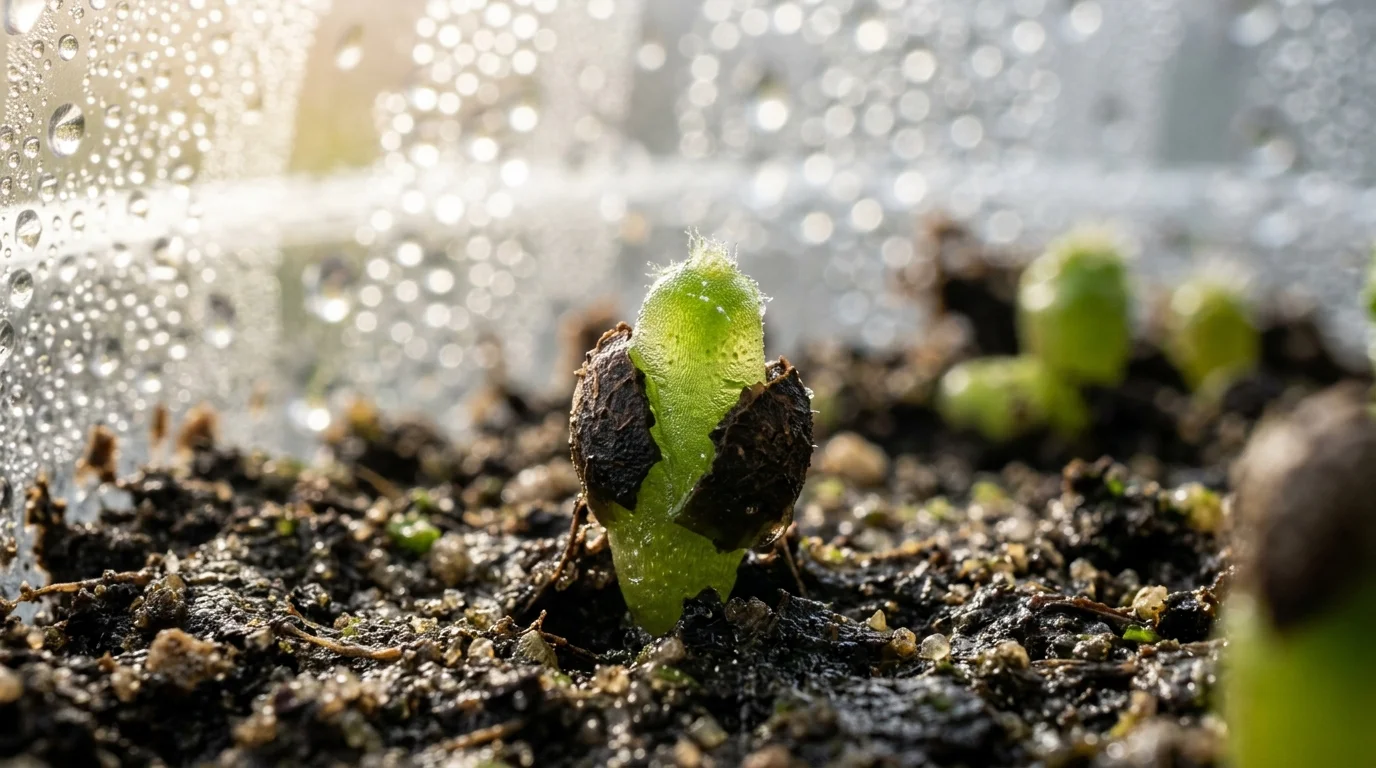
Desert Emulation Replicating Arid Climates Indoors
Once the seeds sprout, the environment must eventually shift from a humid microclimate to a dry arid zone. The transition requires a highly specific soil structure.
Soil composition is critical. Use a gritty mix containing pumice, coarse sand, and perlite to ensure rapid water drainage. Standard potting soil holds too much water and causes root rot. Airflow becomes essential. Stagnant air promotes fungal growth on the vulnerable new roots, so introducing gentle air movement strengthens the plant cellular walls.
Lighting Triggers Preventing Etiolation in Young Cacti
Etiolation happens when a plant stretches unnaturally in search of light, resulting in a weak, pale, and spindly stem that cannot support future growth.
Seedlings need bright but indirect light. Direct scorching sun will burn their delicate translucent tissues. A simple LED grow light placed a few inches above the tray provides the consistent energy required for thick, healthy, and spherical growth without the risk of heat damage.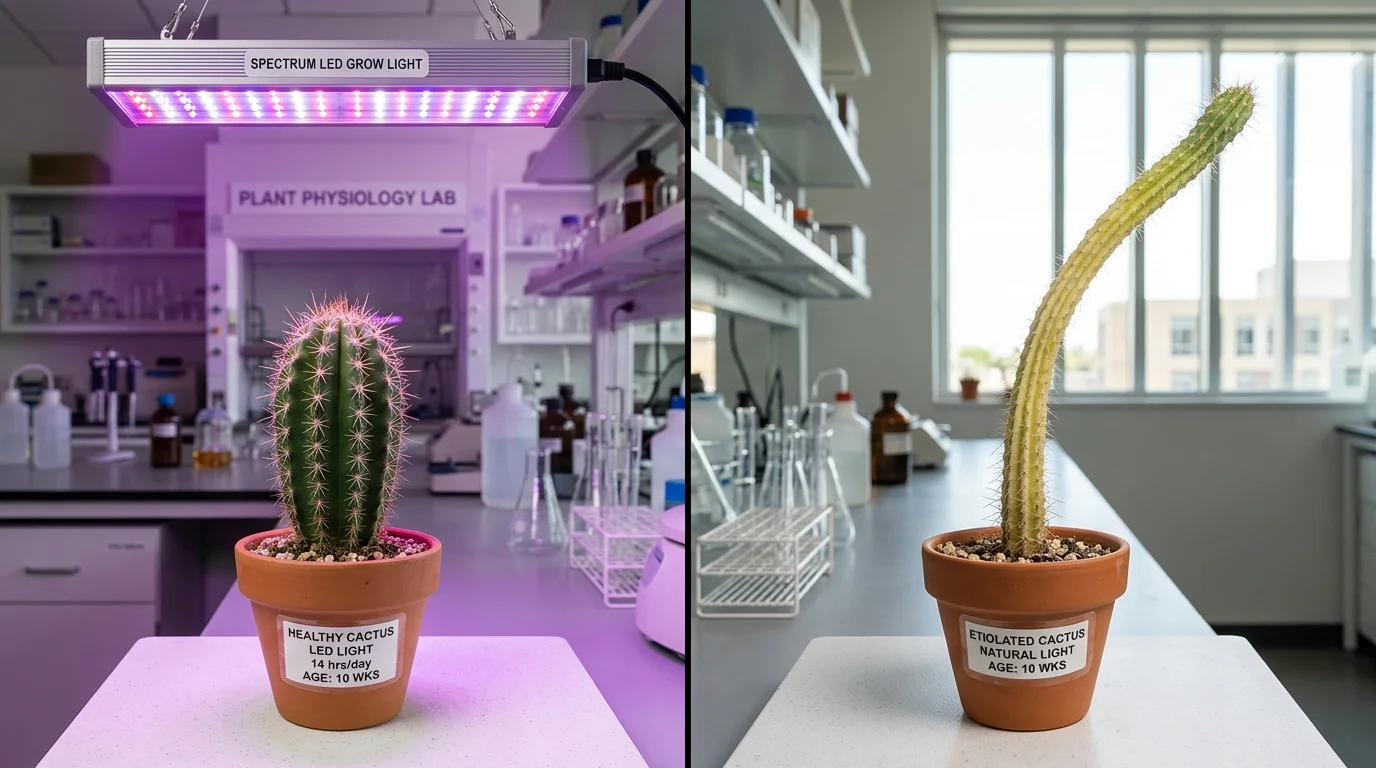
Growth Timelines From Sprout to Mature Succulent
Expect the first green spheres to appear within two to four weeks of planting. True spines begin forming around the third month, looking like tiny white hairs. By the end of year one, most seedlings will only be the size of a marble.
Expert Insight Note
Many growers make the fatal mistake of removing the humidity dome the moment they see green sprouts. Cactus seedlings actually rely on high humidity for the first three to six months of life because their microscopic root systems cannot draw enough moisture from the gritty soil alone. Gradually introduce dry air by poking small holes in the plastic cover over several weeks to harden them off naturally.
Saguaro Cultivation Tracking Slow Growing Giants
The Saguaro is the ultimate test of botanical endurance. These desert icons take up to ten years to reach just one inch in height. They do not begin to grow their famous arms until they are between 50 and 70 years old.
Growing them from seed is a multi generational project that requires long term dedication and stable environmental controls.
Prickly Pear Agriculture Maximizing Rapid Fruit Production
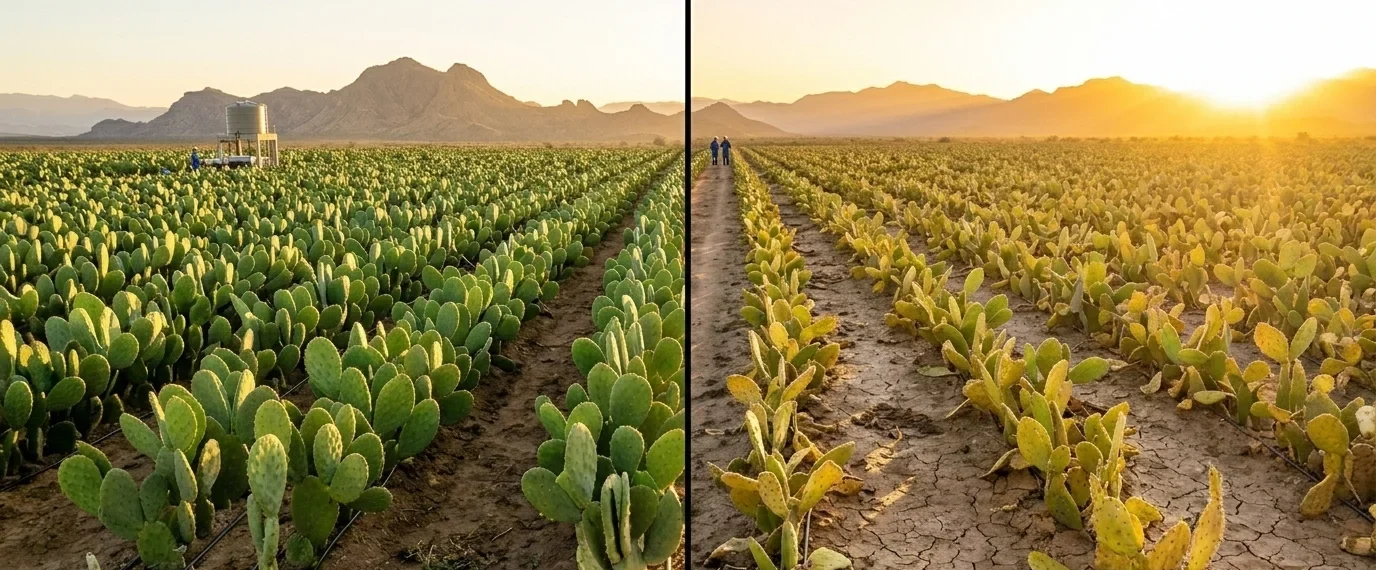
On the opposite end of the spectrum is the Prickly Pear. These fast growing plants can produce mature fruit within three to four years when cultivated under optimal agricultural conditions.
Farmers optimize water cycles during the brief spring months to maximize the yield of the sweet, nutrient dense fruit, making it a highly rewarding crop for commercial growers.
Propagation Showdown Cuttings Versus Seed Cultivation
Taking a cutting produces an exact genetic clone of the mother plant. This guarantees the same flower color and growth habit, and it saves years of waiting.
However, seed cultivation creates entirely new genetic individuals. This biodiversity is vital for building disease resistance and discovering unique physical traits that clones can never provide to the ecosystem.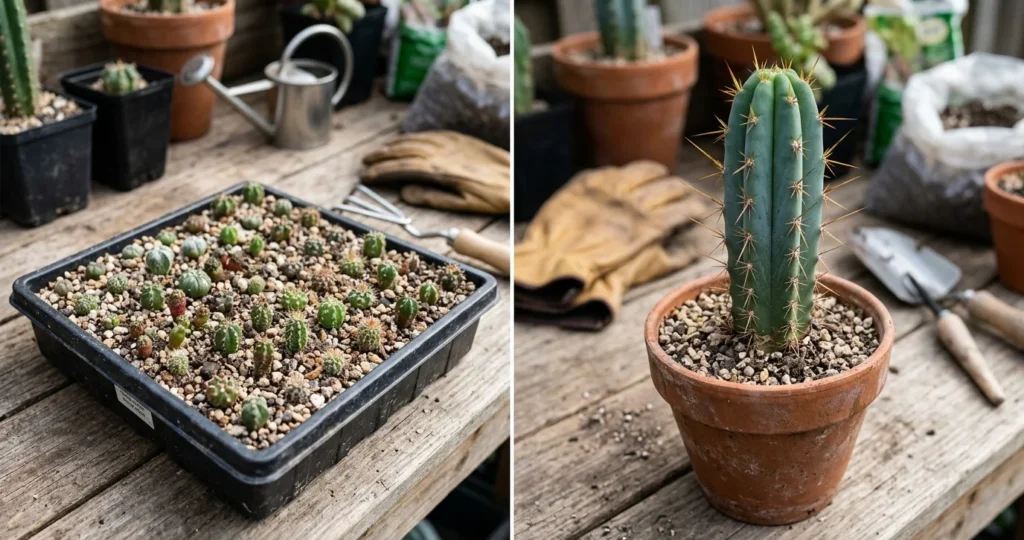
Agricultural Breakthroughs The Economic Impact of Drought Resistant Crops
Global agriculture is rapidly shifting as water scarcity becomes a pressing economic issue. Cacti, particularly Opuntia species, are now recognized as critical crops for our changing climate. They require a fraction of the water needed by traditional forage crops while providing high biomass yields for livestock feed and human consumption. Institutions like the Food and Agriculture Organization actively study and promote the cultivation of cactus pear in arid regions to combat desertification, stabilize topsoil, and secure local farming economies.
Institutions like the Food and Agriculture Organization actively study and promote the cultivation of cactus pear in arid regions to combat desertification, stabilize topsoil, and secure local farming economies.