
When you drive past a wind farm the massive white blades seem to be turning in a slow and lazy circle. This optical illusion makes many people wonder exactly how fast these giant machines are actually moving. The truth involves complex aerodynamics strict safety limits and the surprising reality that faster rotation does not always equal more electricity.
The Aerodynamics of Rotor Speed and Tip Velocity
To understand how fast a turbine spins you must separate two different measurements which are the rotor speed and the tip speed. The central hub or rotor usually turns at a very slow pace of around ten to twenty revolutions per minute. From a distance this looks incredibly sluggish.
However the blades on modern turbines are massive and often stretch over three hundred feet long. Because the tip of the blade has to travel a much larger circle than the center it moves at an astonishing velocity. While the center barely turns the tips of the blades can reach speeds between 150 and 180 miles per hour. This massive difference is why observing them from the ground feels so confusing.
The Physics of Tip Speed Ratio and Structural Safety
Engineers do not just let the wind push the blades as fast as possible. They carefully control the movement using a concept called the Tip Speed Ratio. This mathematical ratio compares the speed of the blade tip to the actual speed of the wind hitting it.
For a standard three blade design the optimal Tip Speed Ratio is usually around six or seven. This means the blade tips are traveling six times faster than the wind itself. Maintaining this exact ratio allows the turbine to capture maximum aerodynamic lift without creating air turbulence that would block the next blade from catching the breeze.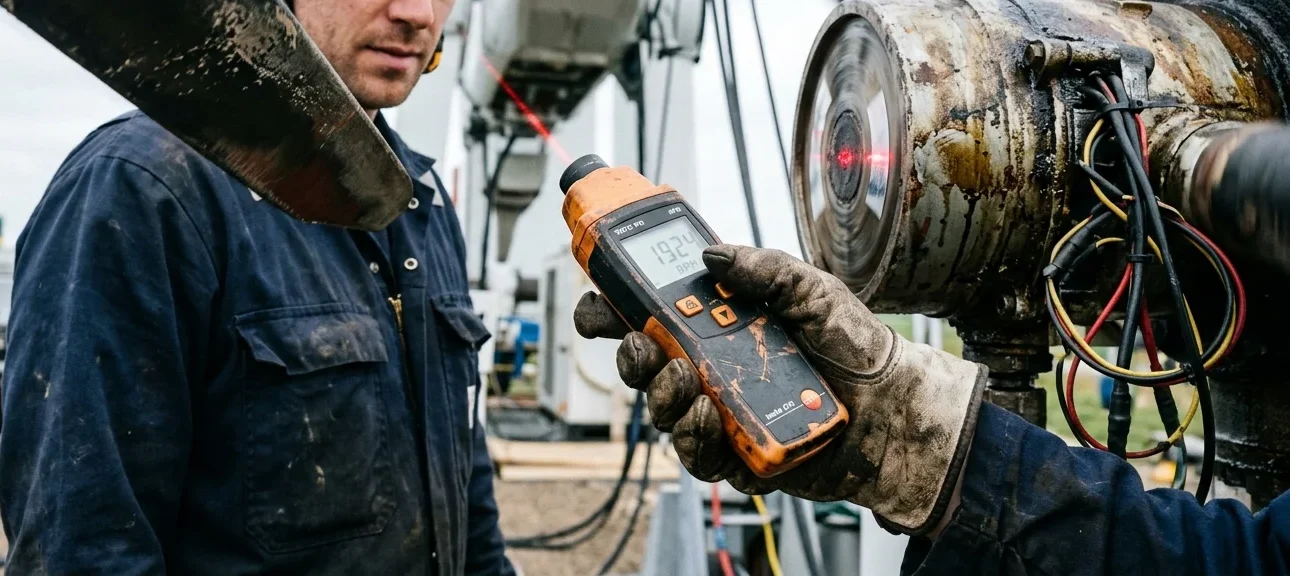
Maximum Rotation Limits and Structural Stress Boundaries
If a turbine spins too fast it faces extreme physical danger. Centrifugal force pushes outward on the rotating mass. If the rotational speed exceeds the structural limits the sheer weight of the fiberglass and carbon blades will cause them to tear themselves apart.
There are three primary stress boundaries engineers monitor. Centrifugal force which pushes outward on the spinning blades. Aeroelastic flutter which creates internal vibrations at high speeds. Tower resonance which can shake the entire structure. Similar structural risk concerns are also seen in vehicle related mechanical failures where stress and vibration build up over time.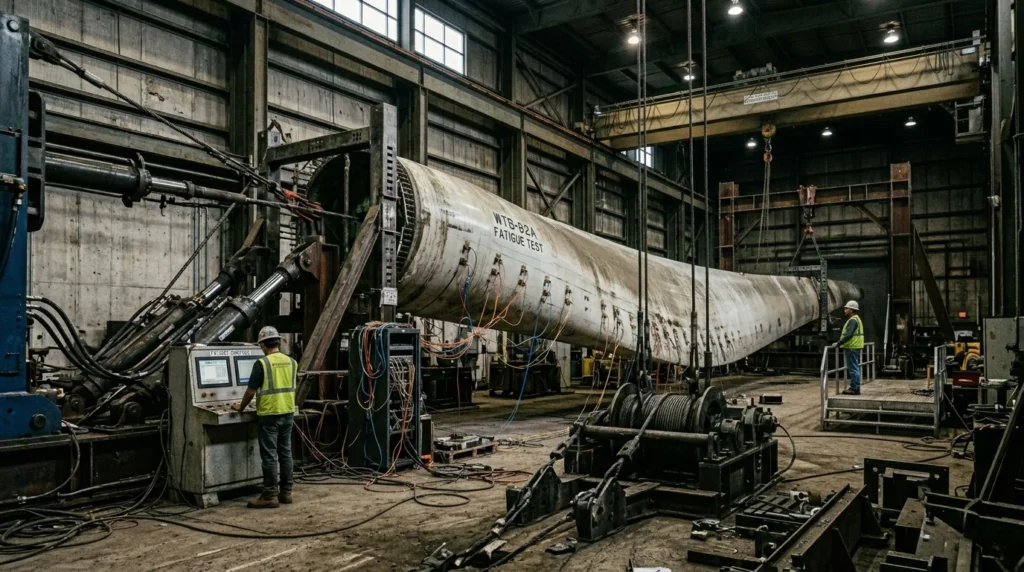
Expert Insight Note
Most public discussions ignore the severity of aeroelastic flutter. When tip speeds exceed 200 miles per hour the air pressure differences create violent vibrations inside the blade materials. These vibrations can cause a catastrophic structural failure within minutes even if the central hub seems perfectly fine. This invisible stress is the primary reason engineers prioritize strict speed governors over maximum rotation.
Why Wind Turbines Lock Down During High Velocity Storms
You might expect turbines to spin their fastest during a massive storm to generate extra power. In reality they do the exact opposite. When wind speeds reach about 55 miles per hour internal computers trigger a complete system lockdown.
The internal mechanism physically pitches the blades meaning it twists them so their flat edges face the wind. This stops the aerodynamic lift. Mechanical brakes then lock the rotor in place. This furling mechanism prevents the massive structural stress that would destroy the entire tower during hurricane force gusts. Similar airflow control concepts are also studied in indoor air movement systems where airflow direction changes safety outcomes.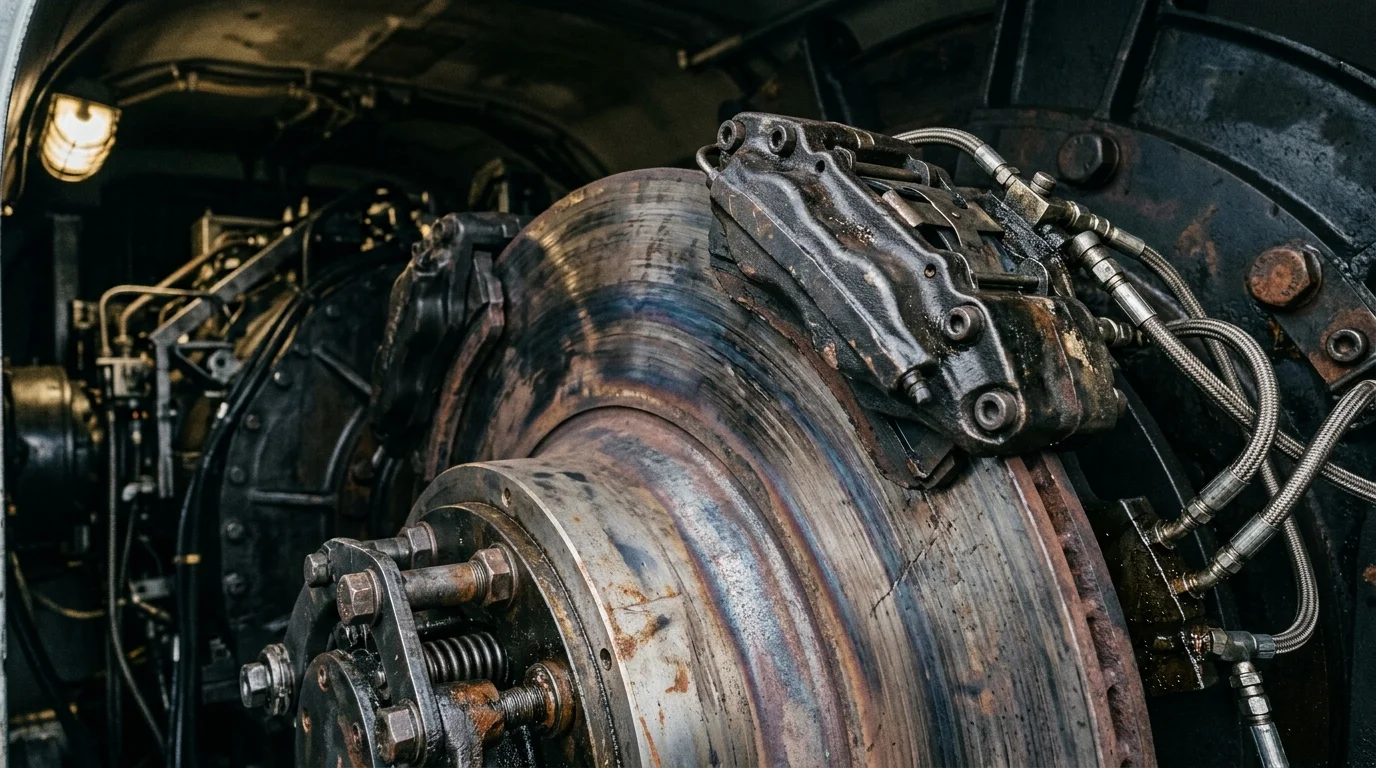
Comparing Horizontal and Vertical Axis Performance Tradeoffs
The giant fan style horizontal axis turbines dominate the landscape because they capture high altitude winds efficiently. However they require massive spacing and constant wind direction adjustments.
For smaller applications like residential wind power turbines a vertical axis design often makes more sense. These look like spinning eggbeaters and can catch wind from any direction. They naturally spin slower which makes them safer for neighborhoods. If you are looking for a silent home wind turbine a vertical design significantly reduces the high velocity sound created by fast moving horizontal blade tips.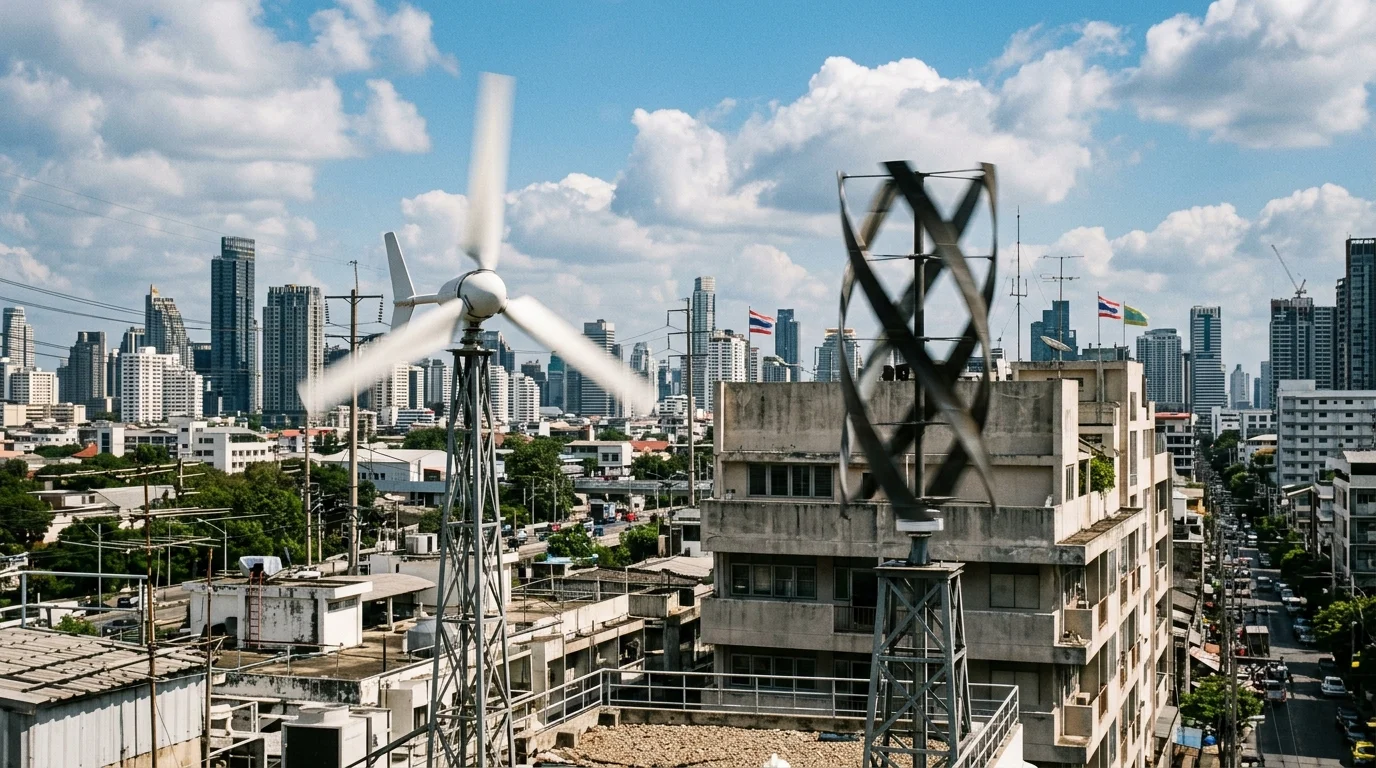
Lubrication and Internal Friction as Mechanical Constraints
Speed is not only limited by the wind and the blades. The internal machinery plays a massive role. Inside the top of the tower sits a heavy gearbox that multiplies the slow rotor rotation into the thousands of revolutions per minute needed by the generator.
This process creates intense internal friction and extreme heat. High performance oil lubrication is required to stop the metal gears from melting together. Anyone considering installing a wind turbine must factor in the strict maintenance of these fluid levels because mechanical friction naturally limits how fast the system can safely operate before overheating. These lubrication dependencies are similar to systems where fuel burning mechanical units rely on controlled combustion and heat management.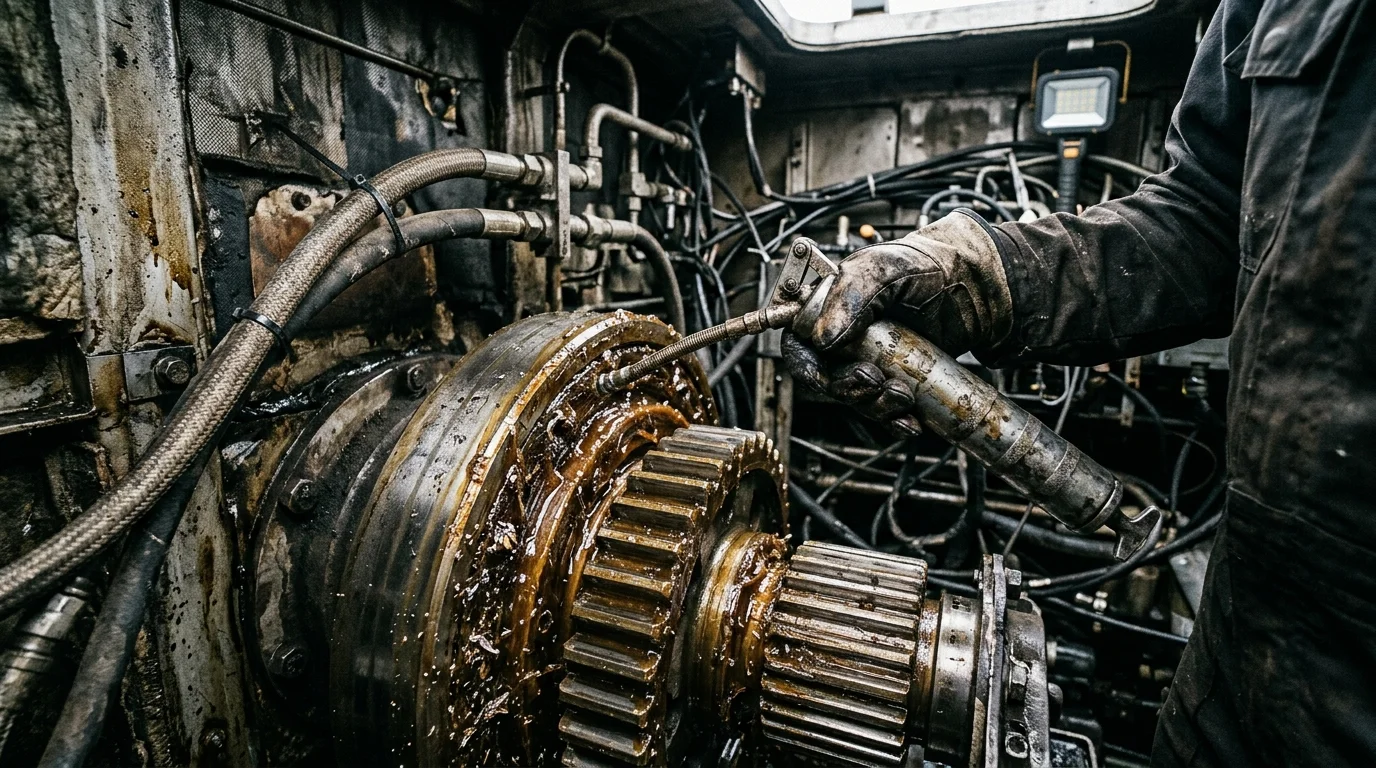
Energy Conversion Efficiency Why Faster Rotation is Not Always Better
A common myth is that faster blades produce infinite electricity. In environmental science we look to the Betz Limit which proves no turbine can ever capture more than 59.3 percent of the kinetic energy in the wind.
If a turbine spins too fast it acts like a solid brick wall. The blades move so rapidly that the wind cannot easily pass through them. The air simply deflects around the entire structure resulting in zero power generation. For a deep dive into aerodynamic efficiency standards you can explore the data provided by the National Renewable Energy Laboratory which outlines exact conversion limits for modern blade designs.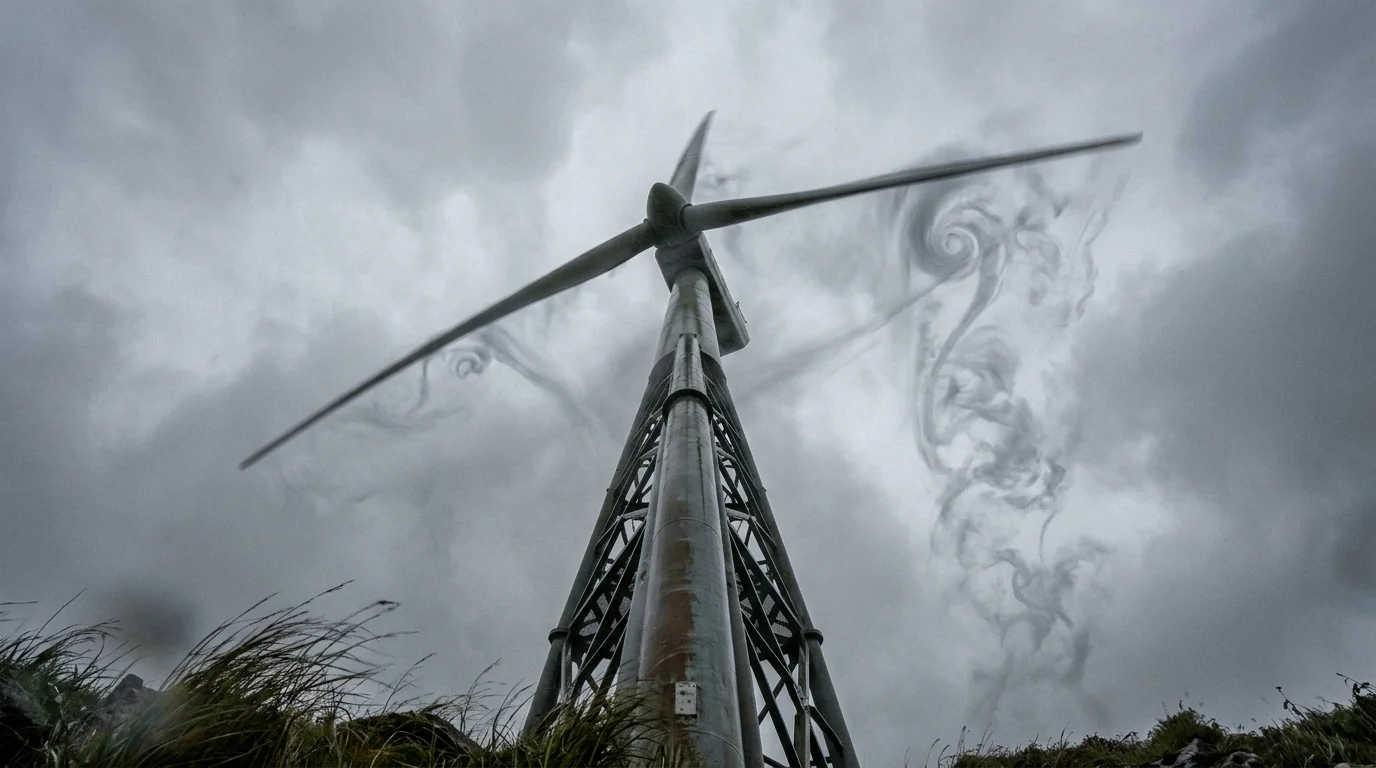
Smart Turbines and Adaptive Blade Technology Innovations
The future of wind energy relies on intelligence rather than raw speed. New models use light detection and ranging sensors to read the wind conditions ahead of the blades. The onboard computers then adjust the pitch of each individual blade in real time.
This technology is scaling down as well. An ai powered urban wind turbine can now learn the turbulent wind patterns bouncing off city buildings and adjust its internal resistance to maximize output without ever spinning out of control. This adaptive behavior is conceptually similar to how sensor based detection systems respond dynamically to environmental changes.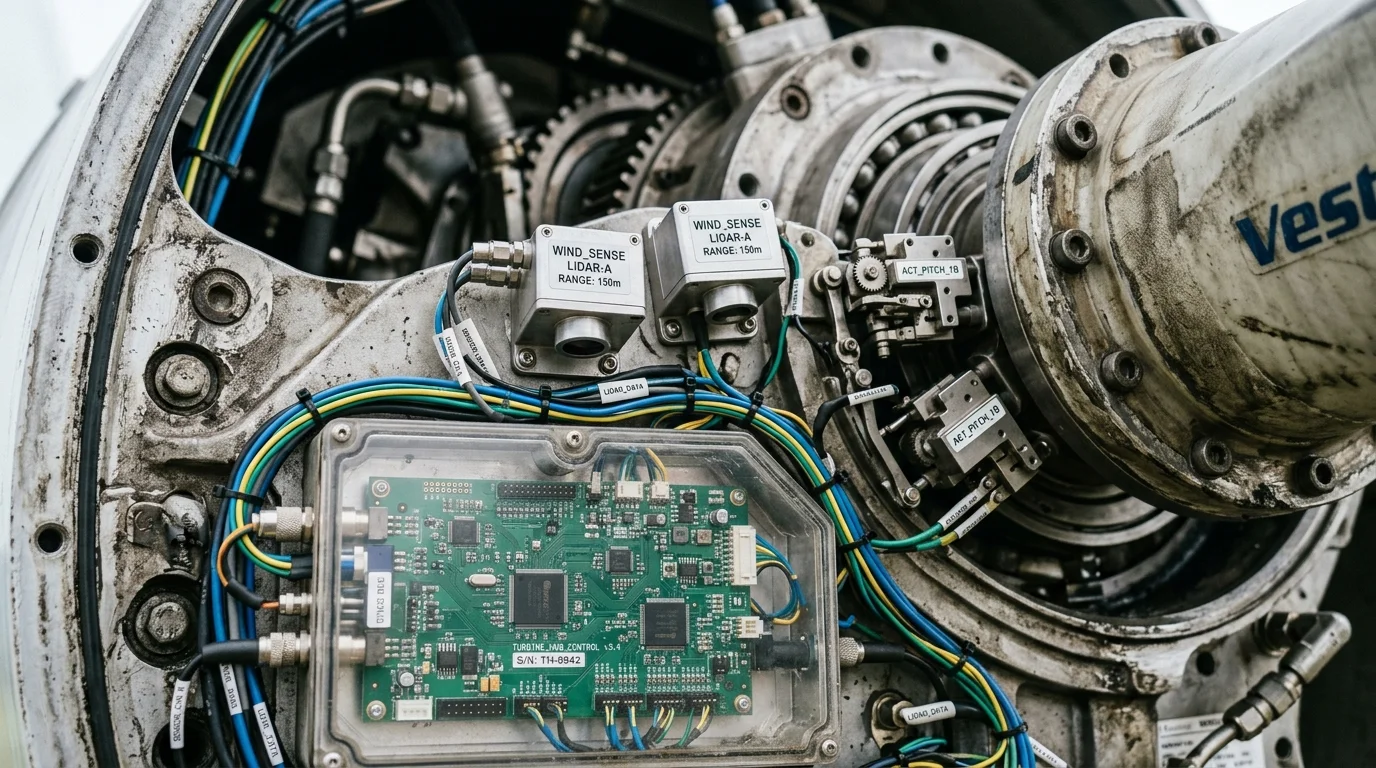
Grid Integration and Policy Hurdles for High Speed Systems
Even if a turbine could safely spin faster the electrical grid could not handle it. National power grids require electricity to be delivered at a very stable frequency usually 50 or 60 hertz.
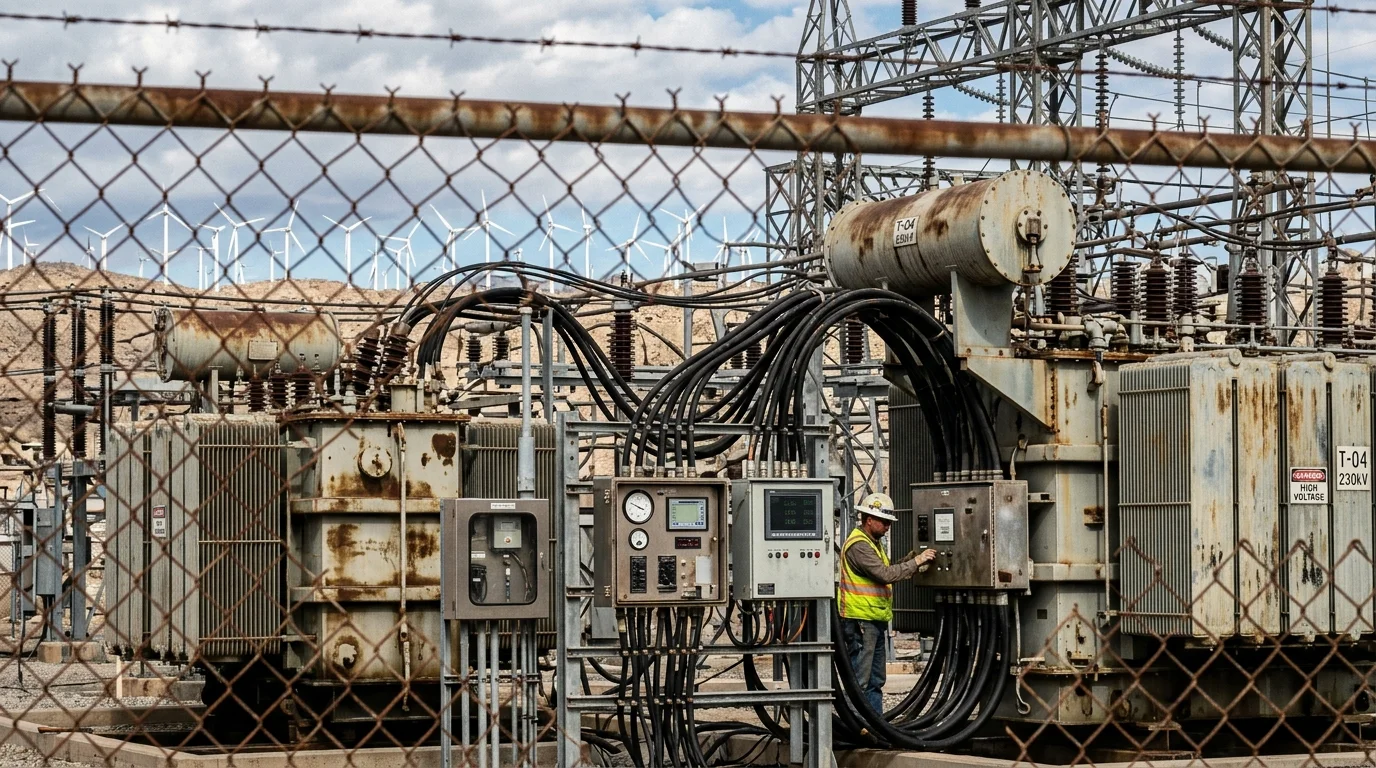
Sudden bursts of high speed rotation cause voltage spikes that can blow out local transformers. Energy policies and grid management require strict power conditioning equipment. Wind farms are heavily penalized if they deliver inconsistent electrical surges which forces operators to prioritize slow steady rotation over high speed power bursts. These stability concerns are similar to controlled environments where air monitoring systems must maintain consistent readings.