
Most camellia seed-growing guides fail at the starting line because they skip one biological fact that changes everything. Camellia seeds are recalcitrant. That word has a precise meaning in seed science: these seeds cannot be dried, stored, or shipped like the vegetable or flower seeds most gardeners are familiar with. The moment a camellia seed loses moisture below a critical threshold, it loses the ability to germinate. Not reduced germination. Lost germination, permanently and irreversibly.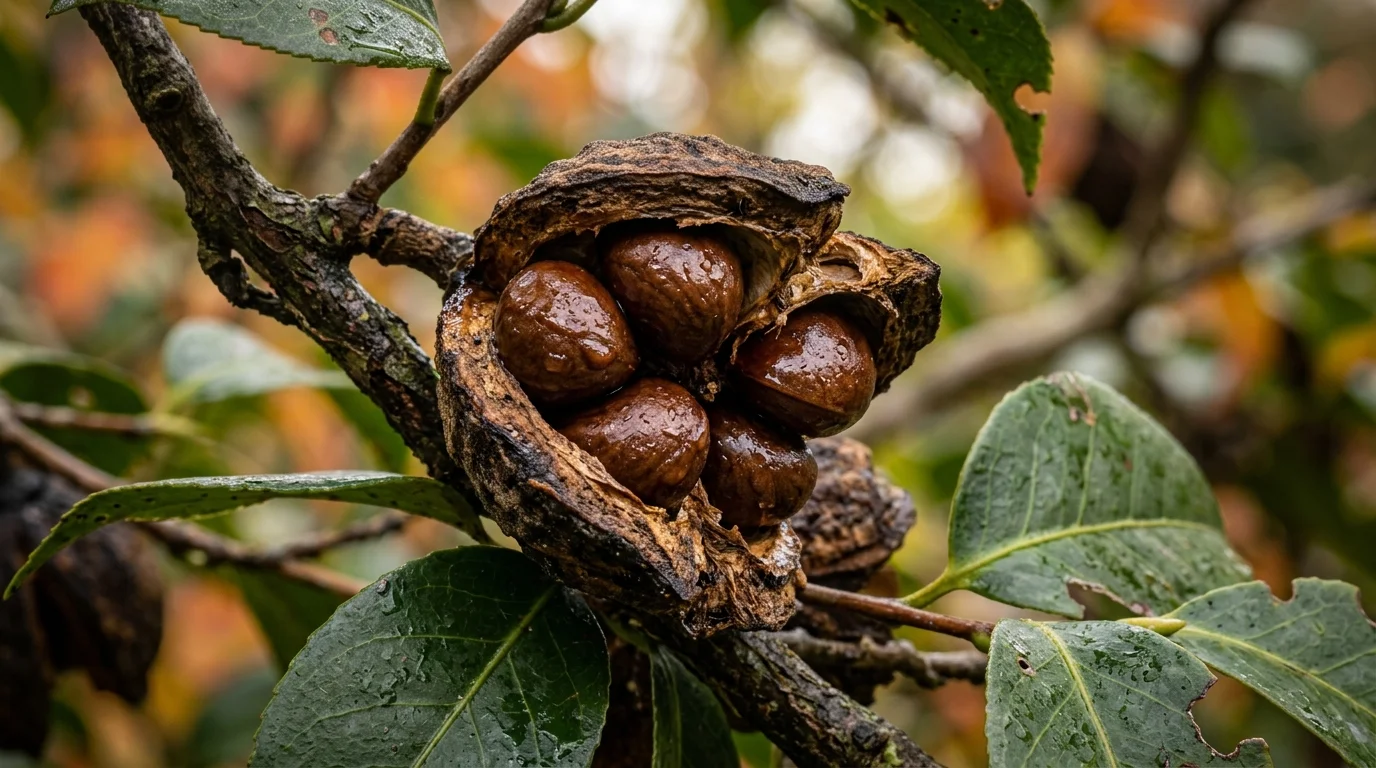
This explains why the majority of people who purchase camellia seeds online, however fresh the listing claims them to be, end up with nothing but an expensive pot of moist compost. It also explains why timing, collection method, and storage conditions are not peripheral details in camellia seed cultivation. They are the entire foundation on which every subsequent step depends. This guide starts where the biology starts, because that is the only approach that consistently produces results.
The Reproductive Biology of Camellias and Why Seed-Grown Plants Are Genetically Unique
The genus Camellia contains over 200 species, but three dominate horticulture and agriculture globally. Camellia japonica is the ornamental species most gardeners recognize, grown for its large, structured flowers in shades ranging from white through pink to deep crimson. Camellia sinensis is the tea plant, the species whose leaves produce every cup of green, white, oolong, and black tea consumed worldwide. Camellia sasanqua is a smaller-flowered ornamental species valued for its autumn blooming season and greater sun tolerance compared to japonica. All three share the same fundamental reproductive biology, and all three produce recalcitrant seeds.
Camellias are not self-fertile under normal conditions. Their flowers require cross-pollination, meaning pollen from one plant must reach the stigma of a genetically different plant to produce viable seed. In their native range across East and Southeast Asia, this pollination is performed primarily by bees, hoverflies, and in some regions by birds. In cultivated garden settings, the same process occurs, often without the gardener being aware of it. The consequence of cross-pollination is genetic recombination. Every seed produced carries one set of chromosomes from the pollen donor and one set from the seed parent, and the resulting seedling is a genetic individual that has never existed before.
For ornamental growers, this genetic uniqueness means that seed-grown camellias will not reproduce the parent plant’s flower color, form, or size reliably. A seed collected from a double red Camellia japonica might produce a seedling with single pink flowers, white flowers, or any combination of traits drawn from both the seed parent and the unknown pollen donor. This variability is the central reason commercial nurseries propagate ornamental camellias almost exclusively by cuttings or grafting, which produce genetically identical clones of the desirable parent. For breeders seeking new flower forms, however, or for gardeners who value the discovery of growing something genuinely unknown, seed propagation offers something no cutting can: the possibility of producing a plant that has never existed before.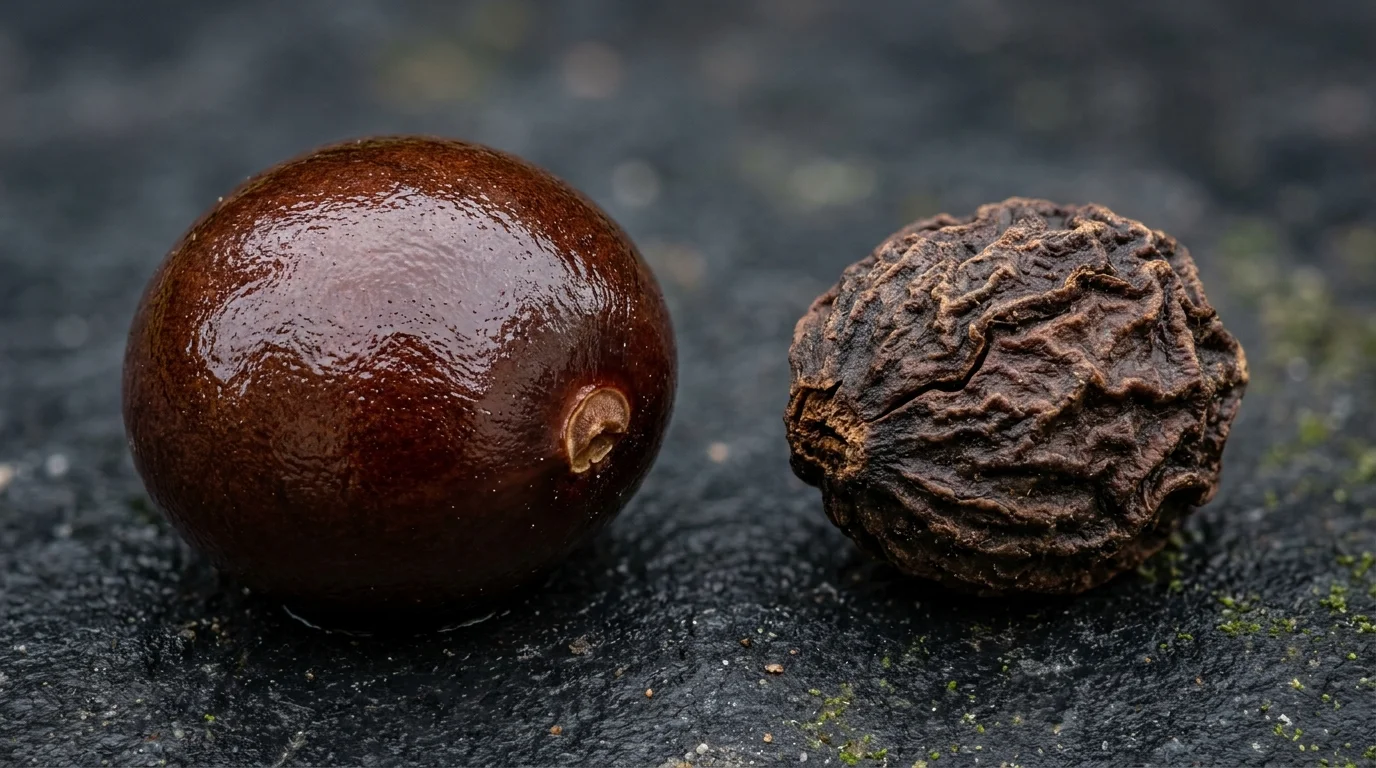
Recalcitrant Seed Physiology and Why Timing Changes Everything
The classification of seeds as either orthodox or recalcitrant is one of the most practically important distinctions in horticultural science, and it is almost completely absent from mainstream gardening guides. Orthodox seeds, which include the vast majority of vegetable, herb, and annual flower species, tolerate drying to very low moisture contents of 5 to 8 percent without losing viability. At these moisture levels they enter a stable, metabolically inactive state that allows storage for months or years under appropriate conditions. Understanding how seeds behave differently under storage is something any serious grower benefits from knowing, much like understanding whether chia seeds expire and what affects their long-term viability.
Recalcitrant seeds operate on an entirely different biological principle. They evolved in environments where seeds germinate rapidly after dispersal without entering a dormant phase, meaning they never developed the physiological machinery to survive desiccation. Camellia seeds fall firmly into this category. Research published in seed physiology literature indicates that camellia seed viability begins declining at moisture contents below approximately 30 to 40 percent of fresh weight, a level that can be reached within days of the seed being separated from the pod and exposed to ambient air in a typical indoor environment.
Seeds collected in autumn must be sown within one to two weeks of collection or stored under specific conditions to hold viability temporarily. The accepted storage method for short-term holding is to place seeds in barely moist vermiculite or sphagnum moss in a sealed bag or container at temperatures between 4 and 8 degrees Celsius. This mimics the cold, moist conditions of the forest floor where camellia seeds naturally await spring germination. Even under these conditions, viability declines progressively, and seeds held for longer than six to eight weeks in cold moist storage show significantly reduced germination rates compared to fresh seed sown immediately after collection.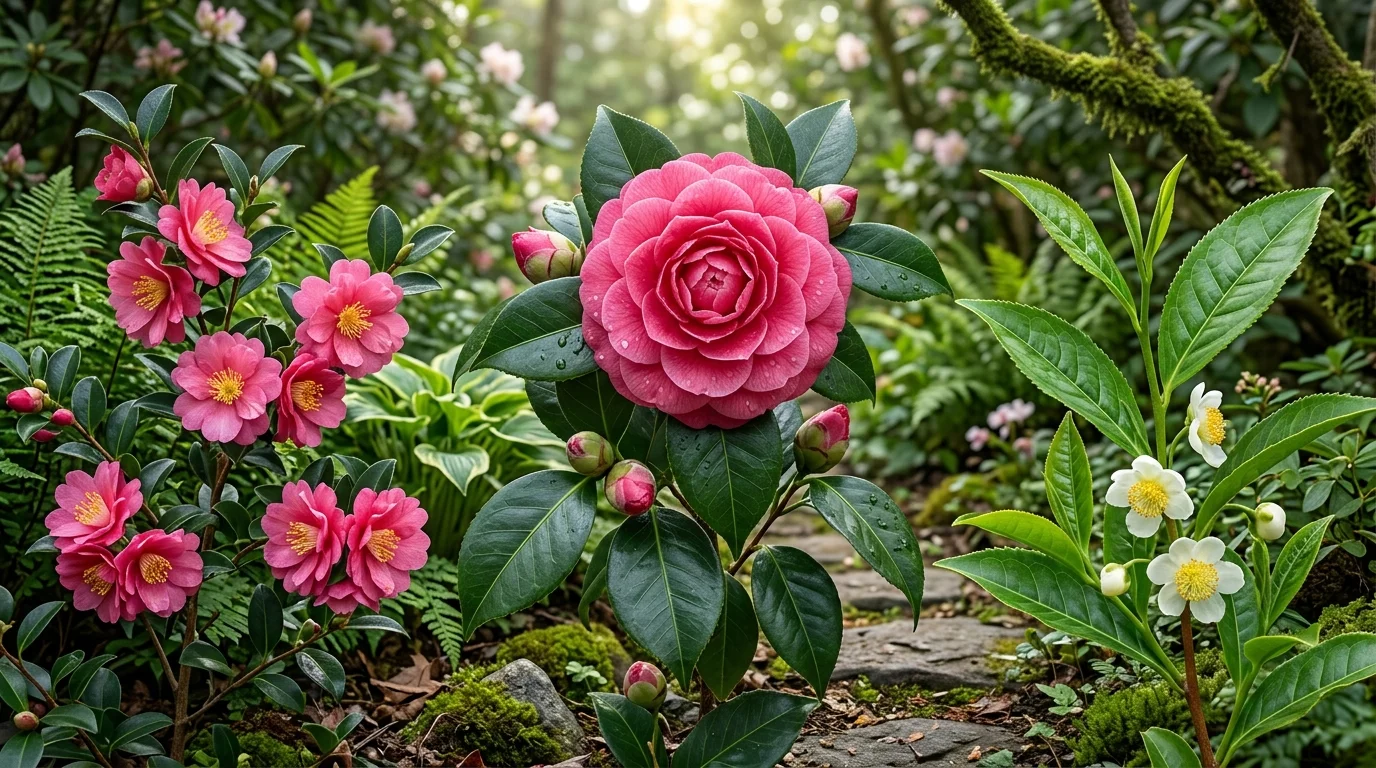
The implication for anyone purchasing camellia seeds commercially is stark. Seeds that have been dried for packaging, shipped in an envelope, and held in a postal warehouse for days or weeks before delivery have almost certainly crossed the desiccation threshold beyond which germination is no longer possible. The seeds may look normal and feel firm. Recalcitrant seeds often do, even when viability is already lost. The only reliable source of viable camellia seeds is a local plant where the grower can monitor pod development and collect at precisely the right moment.
How to Collect Seeds at the Correct Stage
Timing seed collection correctly is the single intervention most likely to improve germination success, and it depends on reading visual signals from the developing seed pod rather than following a calendar date. Camellia seed pods are woody capsules that typically take 12 months from pollination to maturity. In most temperate climates, seeds ripen between September and November, though the precise timing varies by species, cultivar, and local climate conditions.
The pod passes through a reliable color sequence as it matures. Green pods indicate seeds still in active development. As maturity approaches, pods shift toward yellow-brown or reddish-brown coloration. The moment of optimal collection is just before or at the point of natural pod split, when the pod begins opening along its sutures to release seeds. At this stage, seeds have completed their development and reached maximum moisture content, but they have not yet been exposed to drying air.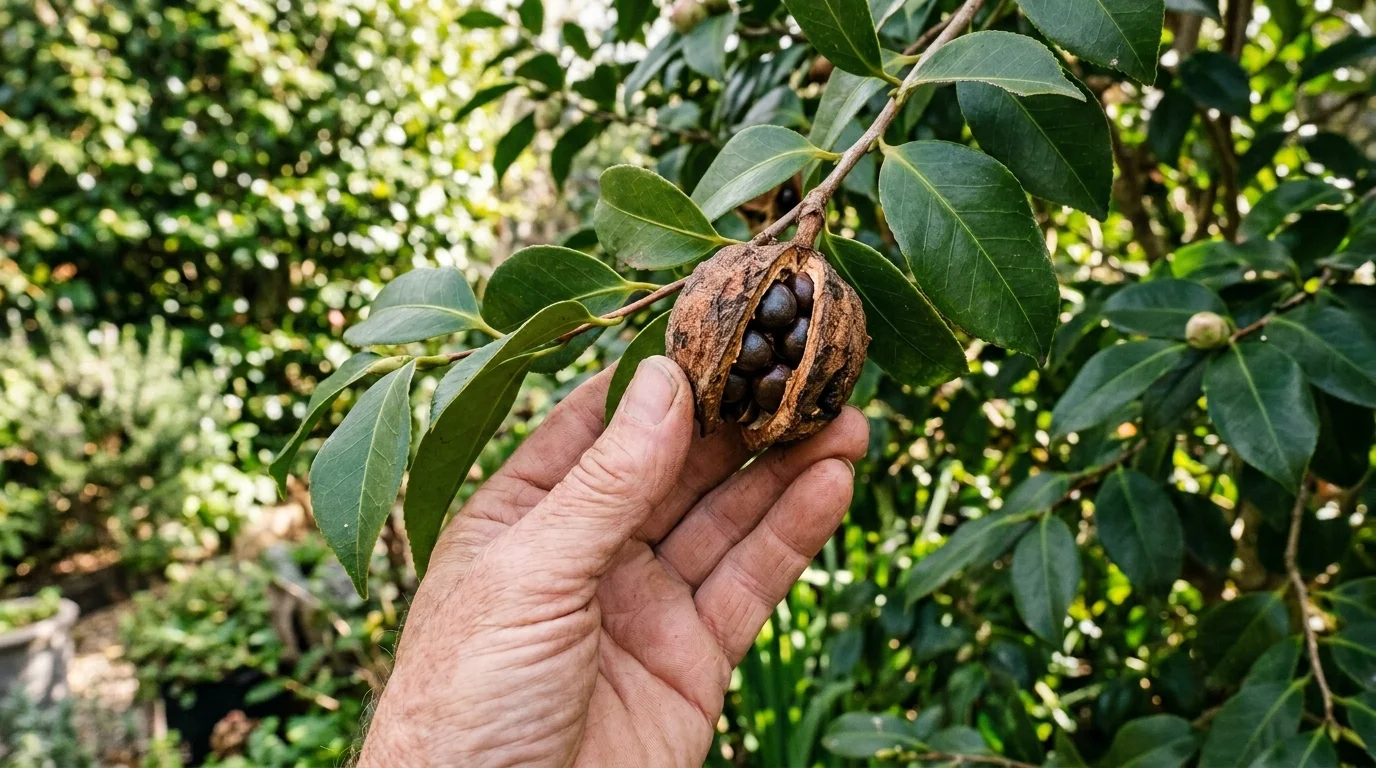
Seeds collected at full pod split or after pods have dropped to the ground and been exposed to ambient conditions for even a short period show measurably lower germination rates than seeds collected from pods just beginning to crack open. The practical approach is to monitor developing pods daily once they begin showing color change and collect as soon as the first split appears. If pods on a single plant mature at different rates, collecting over several days as individual pods reach this stage produces better overall results than a single harvest timed to the average.
Soil Chemistry and Why Ericaceous Conditions Are Non-Negotiable
Camellias belong to a plant group called calcifuges, from the Latin meaning to flee from calcium. This describes their chemical intolerance of alkaline soil conditions at a physiological level, not merely a preference for acidic soil that can be stretched with occasional adjustment. In soils with a pH above 6.0, and particularly above 6.5, the solubility of iron and manganese drops below the threshold at which camellia roots can absorb these elements in sufficient quantities. The result is interveinal chlorosis, a yellowing of the leaf tissue between the veins while veins remain green, caused by iron deficiency in actively growing leaves.
The iron uptake mechanism in camellias depends on the plant’s ability to acidify the immediate root zone, releasing iron from soil particles into a soluble form accessible to root cells. This mechanism, which operates through proton extrusion from root tips, functions effectively only when the surrounding soil pH is already within the acidic range. In neutral or alkaline conditions, the mechanism is overwhelmed, and even soils with adequate total iron content become functionally iron-deficient for camellia roots. Manganese availability follows the same pH-dependent pattern.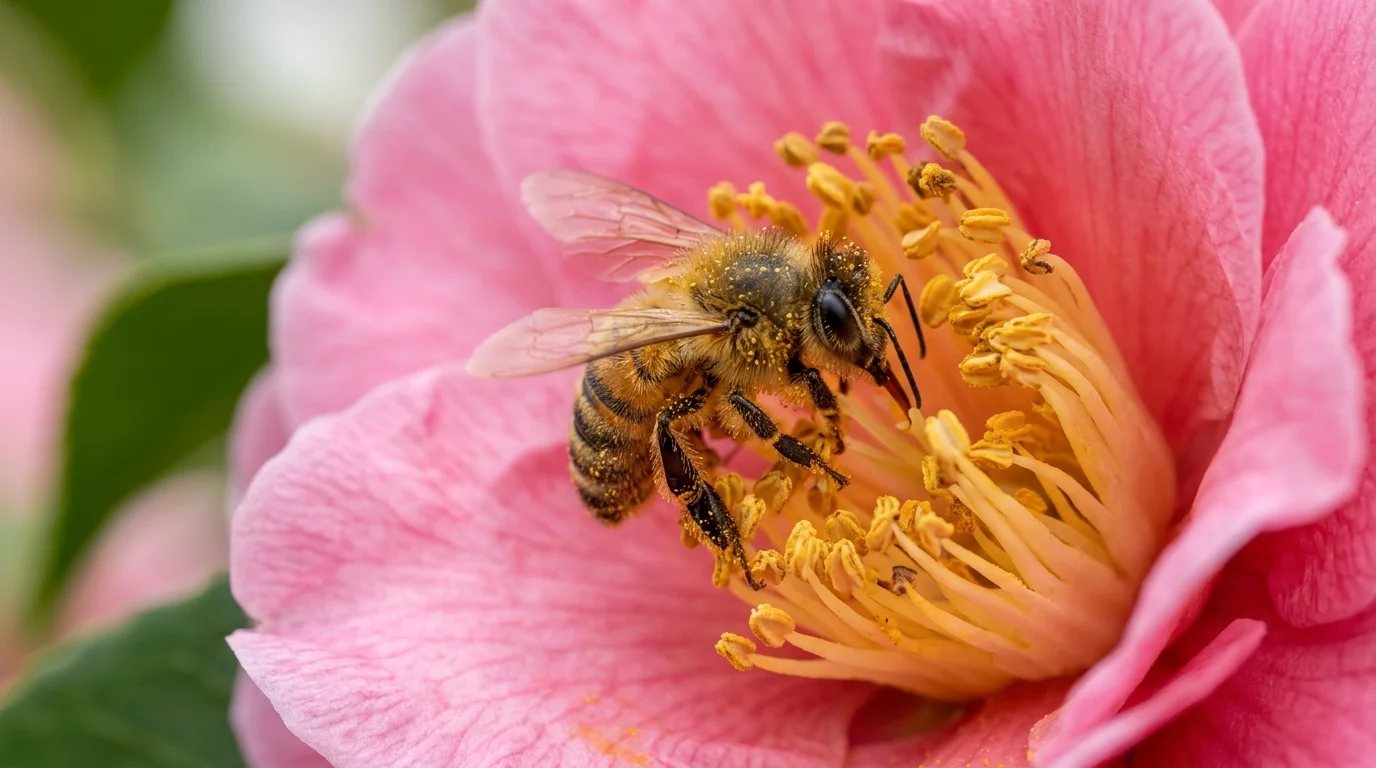
The optimal pH range for camellia cultivation is 4.5 to 6.0, with the range of 5.0 to 5.5 representing peak availability of iron, manganese, and other micronutrients these plants require. Standard multipurpose potting compost in most markets has a pH between 6.0 and 7.0, placing it at or above the upper tolerance limit for camellia seedlings even before the alkalinity-increasing effects of tap water irrigation are considered. An ericaceous compost formulated specifically for acid-loving plants contains bark and peat or peat-alternative materials that maintain pH in the target range and uses fertilizer formulations that do not include calcium carbonate-based pH buffers.
A less commonly discussed aspect of camellia soil chemistry is the role of aluminum ions. In soils with pH below 5.5, aluminum becomes soluble and available in the soil solution. Most plants suffer aluminum toxicity at these concentrations, but calcifuge species including camellias, rhododendrons, and heathers have evolved metabolic pathways that tolerate and in some cases require low concentrations of soluble aluminum. Research into the physiology of ericaceous plants has identified aluminum-activated organic acid exudation from roots as a mechanism that contributes to the acidification of the rhizosphere and may play a role in the nutrient uptake processes specific to this plant group. Providing soil chemistry that supports this mechanism, rather than working against it, is part of what ericaceous compost formulation achieves.
Mycorrhizal Partnership and the Underground Biology Most Guides Ignore
Virtually every account of camellia cultivation discusses soil, water, and feeding. Almost none discuss the fungal dimension of camellia root biology, despite the fact that this underground partnership may be more important to long-term plant health than any of the visible above-ground inputs the grower controls.
Camellia roots associate with ericoid mycorrhizal fungi, a specialized category of mycorrhizal symbiosis distinct from the arbuscular mycorrhizal fungi that colonize most herbaceous garden plants and from the ectomycorrhizal associations of many trees. Ericoid mycorrhizal fungi are adapted specifically to the acidic, low-nutrient, high-organic-matter soils that ericaceous plants occupy. They form coils of fungal hyphae inside the root cells of their host plant rather than on the root surface, maximizing the contact surface for nutrient exchange within a minimal volume of root tissue. This relationship is not unlike the way beneficial bacteria in pond systems form essential partnerships with their environment to drive biological processes that no external input can replicate.
The practical consequences of this association are substantial. Ericoid mycorrhizal networks dramatically extend the effective nutrient-foraging range of camellia roots, with hyphal networks extending many centimeters into surrounding soil and accessing phosphorus, nitrogen in organic forms, and micronutrients that would be physically inaccessible to root systems alone. In studies examining establishment rates of ericaceous plant seedlings with and without mycorrhizal inoculation, inoculated seedlings consistently show higher survival rates, faster root development, and improved shoot growth under conditions of low phosphorus availability, precisely the conditions that prevail in correctly formulated ericaceous growing media.
In natural woodland environments, ericoid mycorrhizal fungi are abundant in the organic-rich surface horizons where camellia seedlings establish. The problem arises in cultivation, where sterilized or heat-treated commercial potting media contain no viable fungal propagules. A camellia seedling germinated in sterile ericaceous compost has no mycorrhizal partners unless they are deliberately introduced. Commercial ericoid mycorrhizal inoculants are available from specialist horticultural suppliers, typically containing species such as Hymenoscyphus ericae or related fungi. Incorporating these into the potting medium at germination stage rather than attempting to introduce them later, when root systems are established and disruption more damaging, represents a meaningful improvement in establishment outcomes that costs very little relative to the time invested in growing from seed.
Expert Insight Note
The rapid shift toward peat-free ericaceous composts across the UK and EU, driven by legitimate sustainability policy aimed at protecting peatland ecosystems, has created an underreported horticultural challenge specifically for camellia seed establishment. Many peat-free ericaceous formulations based on wood fiber, green waste compost, or composted bark achieve an acceptable pH at the point of manufacture, typically in the range of 5.0 to 5.8, but show significant pH drift toward alkaline conditions over the first six to twelve months as the wood fiber component continues decomposing and releases base cations into the growing medium. Camellia seedlings in their first growing season, which have not yet developed extensive root systems capable of compensating for poor local chemistry, are particularly vulnerable to this drift. Growers who see progressive yellowing in young camellia seedlings during the second half of their first growing season frequently attribute this to overwatering, underwatering, or low light when the actual cause is substrate pH that has risen above the threshold for iron availability. Testing substrate pH directly with a calibrated probe at soil level, rather than relying on the pH stated at purchase, and adjusting with acidifying fertilizer or sulfate of iron solution when values exceed 5.8, will prevent the majority of first-year seedling losses that peat-free cultivation currently produces in this species.
The Tea Production Connection: How Smallholder Farmers Across Asia Grow Camellias From Seed at Scale
The most extensive body of practical knowledge about growing Camellia sinensis from seed at scale does not exist in horticultural journals. It exists in the applied research outputs of national tea research institutes across South and Southeast Asia, where seed propagation has been the foundation of smallholder tea agriculture for centuries. The tea plant and the ornamental camellia are the same genus, and the germination physiology is identical. What tea farmers and researchers have learned about reliable seed establishment at production scale is directly transferable to ornamental camellia cultivation in ways that mainstream guides have never acknowledged.
In Sri Lanka, Kenya, India, and the Yunnan and Fujian provinces of China, smallholder tea farmers propagate Camellia sinensis from locally collected seed because it is economically practical at small scale in a way that clonal propagation is not. Clonal tea production requires stem cuttings, controlled nursery conditions, and several months of establishment before transplanting, all of which demand capital investment and technical infrastructure that small farms often lack. Seed propagation requires none of this beyond appropriate nursery bed preparation and basic management of moisture and shade. The same logic of maximizing biological output from low-cost, locally available inputs applies across many agricultural systems, from growing alfalfa for hay on marginal land to managing small-scale seed nurseries in high-humidity environments.
The nursery methods developed and refined by commercial tea production align closely with what ornamental camellia growers need but rarely receive. Seeds are sown directly into nursery beds prepared with high organic matter content and maintained at consistent moisture. Shade cloth providing 30 to 50 percent light reduction is installed immediately over germinating beds, preventing the soil surface drying and temperature fluctuation that causes seedling death in the critical establishment phase. Germination in properly managed conditions typically begins within four to six weeks of sowing fresh seed and continues over a period of several weeks as individual seeds reach their own germination threshold.
What Tea Research Stations Have Learned About Camellia Seed Germination
The Tea Research Institute of Sri Lanka, one of the most productive applied research centers for Camellia sinensis agronomy globally, has published protocols for seed germination that provide precise parameters unavailable in any ornamental gardening guide. Optimal germination temperature for Camellia sinensis seed is documented at 25 to 30 degrees Celsius, with germination rates dropping significantly below 20 degrees Celsius and above 35 degrees Celsius. This temperature sensitivity explains why autumn-sown camellia seeds in temperate climates often show delayed or erratic germination: ambient temperatures during the critical early germination phase frequently fall below the biological optimum.
Research from the Tea Research Institute of Sri Lanka recommends bottom heat provision for nursery beds in cooler seasons to maintain substrate temperature within the optimal range regardless of ambient conditions. This principle, well established in commercial tea production, translates directly to ornamental camellia seed cultivation: a heated propagator maintaining substrate temperature between 22 and 28 degrees Celsius will produce significantly more consistent germination than relying on room temperature alone. Nursery research also confirms that seeds sown at a depth of 2 to 3 centimeters, approximately equal to the seed diameter, consistently outperform seeds sown at greater or lesser depths in terms of both germination rate and seedling uniformity.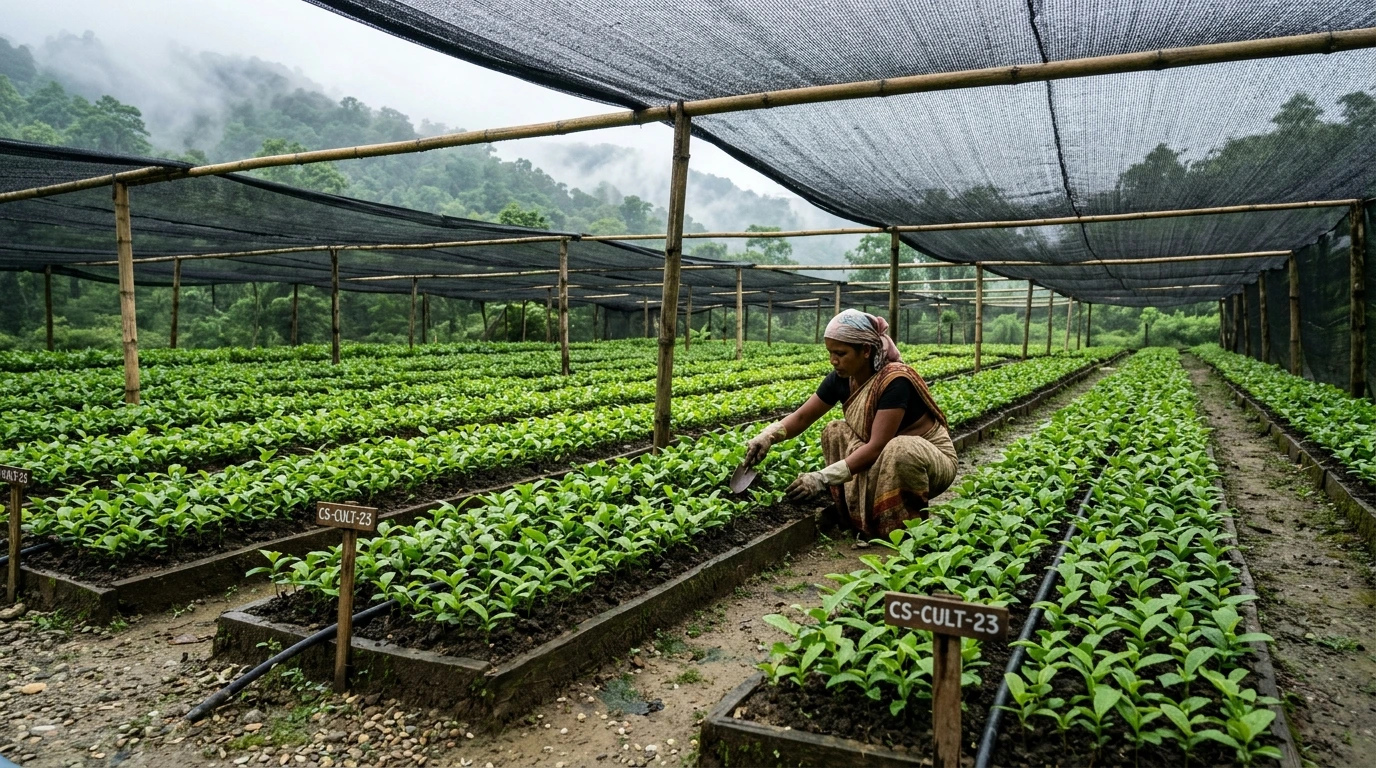
Why Local Seed Propagation Matters More Than Most Gardeners Realize
The ornamental camellia market in Europe and North America is dominated by clonally propagated plants imported from large-scale nursery operations in Italy, Belgium, China, and Japan. The plants that fill garden center benches each spring have typically been rooted from cuttings in one country, grown on in another, and shipped thousands of kilometers in refrigerated trucks or cargo containers before reaching the retail point. This supply chain carries environmental costs and biological risks that the market price of a garden center camellia does not reflect.
The carbon footprint of international ornamental plant trade is substantial and poorly quantified relative to other agricultural commodities. A rooted camellia cutting produced in China and shipped to a European or North American market accumulates transport emissions across multiple legs of a supply chain that may involve sea freight, road transport, and cold storage before reaching the consumer. For a plant that can be grown from locally collected seed in a domestic garden, this import carbon burden is entirely avoidable. Local seed propagation represents the same low-input, low-footprint philosophy that underpins growing practices like growing a cactus from seed, where the entire process begins with locally sourced material and requires minimal external inputs.
The biosecurity dimension is more immediately serious. Phytophthora ramorum, the water mold pathogen responsible for sudden oak death and a range of other forest and horticultural diseases, has been repeatedly detected on imported ornamental camellia foliage in European and North American plant health inspections. Camellia is classified as a regulated host of P. ramorum in the United Kingdom and the European Union, meaning imported camellia plants require phytosanitary certification and can be subject to movement restrictions during outbreak responses. Despite these controls, the pathogen continues entering horticultural supply chains through imported plant material. Seed-grown camellias from local parent plants carry no such biosecurity risk.
The climate adaptation advantage of locally seed-grown plants is supported by research on cold hardiness in woody ornamentals. Seed-grown plants from locally adapted parents inherit genetic traits calibrated to local temperature extremes, frost timing, and seasonal patterns through generations of natural selection. Clonally propagated imports from warmer nursery climates carry no such adaptation. Studies on related ericaceous species including rhododendrons have documented measurably greater cold hardiness in seedling populations grown from locally collected seed compared to introduced clonal material of the same species, and the same principle applies to camellias in marginal growing zones where winter damage from imported clonal stock is a recurring problem.
The genetic diversity argument completes the picture. Garden plantings composed entirely of clonally propagated individuals of a single cultivar are genetically uniform populations with identical susceptibility profiles to any emerging pathogen. The history of agricultural monocultures provides ample evidence of the consequences of this uniformity when new disease pressure arrives. Seed-grown camellia populations, each individual genetically unique, present a fundamentally different epidemiological profile in which no single pathogen strain can simultaneously overcome the defenses of every plant in the planting. This is a principle well understood in large-scale crop systems, including growing sunflowers at field scale, where genetic diversity in seed selection is deliberately maintained to reduce vulnerability to disease pressure across an entire planting.