
Growing a field of sunflowers is one of the most visually rewarding and agriculturally productive decisions a farmer or large-scale grower can make. Whether you are cultivating two acres for agritourism, fifty acres for oil seed production, or a commercial cut flower operation, the principles governing successful sunflower field establishment are rooted in the same soil science, plant physiology, and agronomic management that define any serious crop enterprise.
Sunflowers (Helianthus annuus) are not simply ornamental plants scaled up. At field scale, they become a complex biological system interacting with soil microbiology, regional climate patterns, pollinator populations, and market economics simultaneously. Getting that system right from the beginning determines whether your field becomes a productive, profitable landscape or an expensive disappointment.
From Backyard Planting to Field Scale Sunflower Cultivation
The transition from growing a few sunflowers in a garden to cultivating a genuine field of them requires a fundamental shift in thinking. Backyard growers manage individual plants. Field growers manage populations, and the principles governing a population of ten thousand plants differ from those governing ten plants in almost every category from water delivery to pest management to harvest logistics.
At field scale, sunflowers are typically managed as an annual row crop using mechanized planting, cultivation, and harvesting equipment. The United States is one of the world’s largest sunflower producers, with the National Sunflower Association reporting that the Great Plains states, particularly North Dakota, South Dakota, Kansas, and Colorado, account for the majority of the nation’s commercial sunflower acreage. Globally, sunflowers rank as one of the five most important oilseed crops, with world production exceeding 50 million metric tons annually according to FAO data.
Understanding this context matters because the agronomic decisions you make at field scale have compounding effects. A soil pH error that causes a backyard plant to underperform is a minor inconvenience. The same error across forty acres represents a serious economic loss. Everything at field scale is amplified, which is precisely why each agronomic input decision requires grounded scientific reasoning rather than gardening intuition.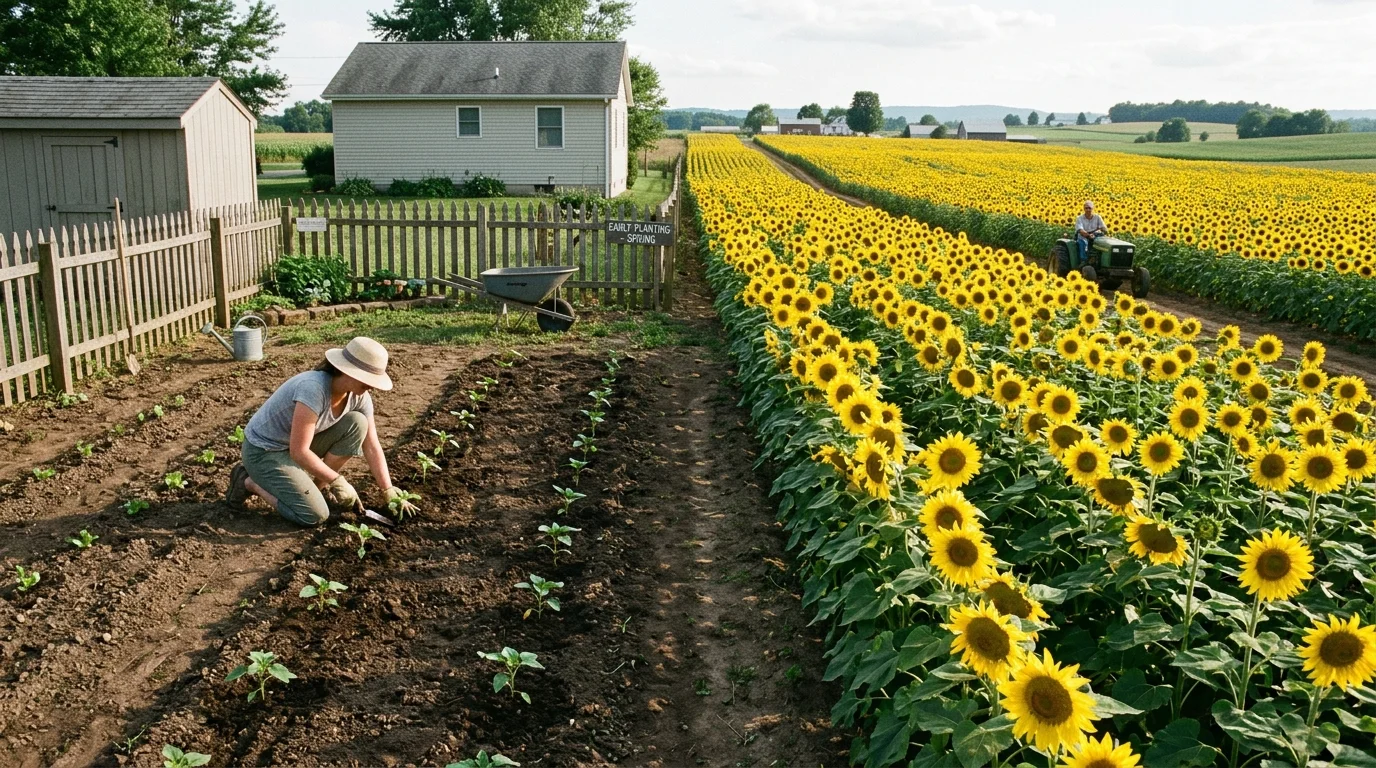
Site Selection and Soil Ecology That Determines Yield Success
Sunflowers are often described as adaptable crops, and in terms of climate range, that description is accurate. They can tolerate a wider pH range, a broader temperature band, and a wider variety of soil textures than many other field crops. But adaptability is not the same as indifference to site quality. The site you choose for a sunflower field will set an upper limit on everything that follows, and no amount of fertilizer or irrigation can fully compensate for a fundamentally unsuitable site.
Sunflowers perform best on well-drained loam or sandy loam soils with a pH between 6.0 and 7.5. They are deeply tap-rooted plants, capable of extending primary roots 6 to 8 feet into the soil profile under optimal conditions. This deep rooting is one of the crop’s most valuable characteristics for drought tolerance, but it also means that compacted subsoil layers, hardpans, or high water tables that prevent deep penetration will significantly limit yield potential and plant stability in wind events.
Soil organic matter content directly influences both water-holding capacity and nutrient availability in sunflower fields. Soils with organic matter content above 3 percent provide a measurably superior foundation for sunflower production compared to depleted soils below 1.5 percent. If your chosen site has degraded soils, a cover cropping cycle incorporating legumes and grasses in the year before sunflower establishment can meaningfully improve both organic matter and soil structure before your primary crop is planted.
Aspect and slope matter more at field scale than at garden scale. Sunflowers track the sun during their vegetative growth phase, a phenomenon called solar tracking or heliotropism. Fields with significant north-facing slopes will receive less total solar radiation over the growing season than flat or south-facing terrain, reducing photosynthetic accumulation and final seed yield. Slopes above 5 percent also introduce erosion risk during the early establishment phase before canopy closure, which should be factored into your field selection and tillage planning.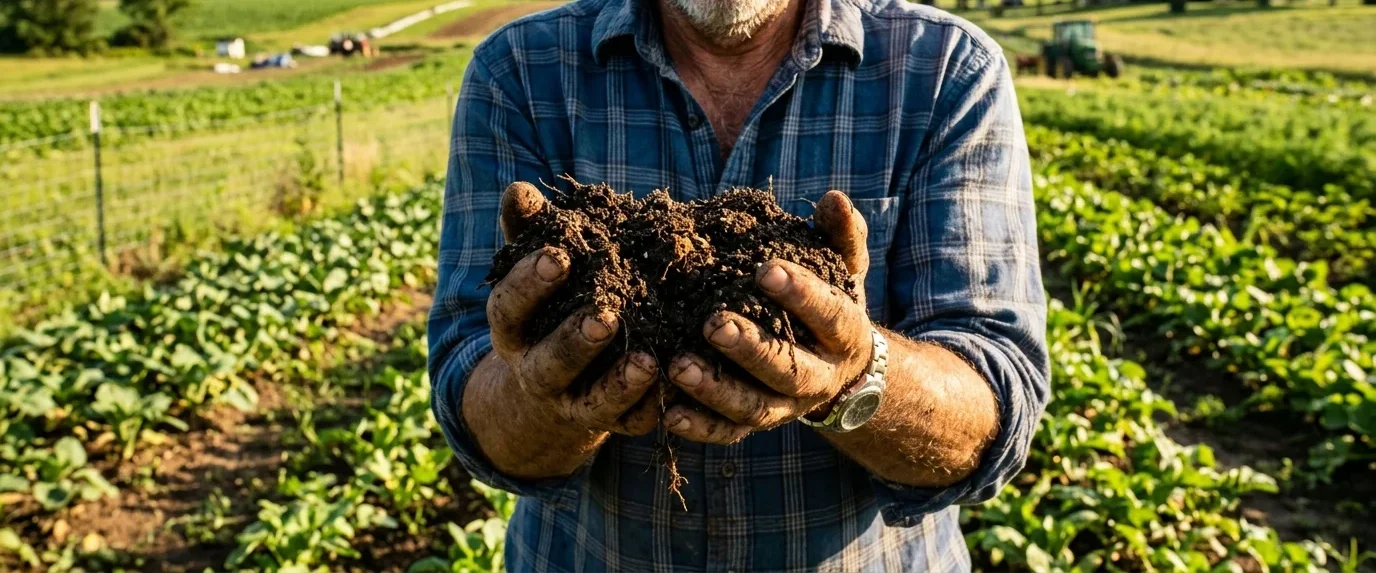
Seed Selection and Hybrid Varieties for Large Scale Fields
The commercial sunflower seed market is broadly divided into two production categories: oilseed types and non-oilseed types, also called confection types. Within each category, a wide range of hybrid varieties are available, each bred for specific performance characteristics relevant to different production systems.
Oilseed hybrids are the dominant choice for commodity production and biofuel feedstock operations. These varieties produce smaller seeds with higher oil content, typically between 40 and 50 percent oil by dry weight, and they are harvested mechanically for processing. High-oleic oilseed varieties, bred to contain greater than 80 percent oleic acid in their oil profile, command premium prices in specialty food and industrial markets and have seen significant acreage growth over the past decade.
Confection hybrids produce larger striped seeds intended for snack food markets, bird feed manufacturing, and in-shell roasting. These varieties require more precise agronomic management to achieve the large seed size and unblemished shell quality demanded by premium buyers. Row spacing, plant population, and nitrogen management all influence seed size in confection types more dramatically than in oilseed types.
For agritourism operations focused on visual impact rather than seed harvest, ornamental and pollenless hybrid varieties offer specific advantages. Pollenless varieties eliminate the pollen drop that can stain visitors or cut flower arrangements, while ornamental hybrids offer a range of flower colors from pale lemon to deep burgundy and bicolor combinations that create distinctive visual effects at scale. Branching ornamental types extend the bloom window significantly compared to single-stem commercial varieties, which is valuable for operations aiming to maximize visitor attendance over a multi-week season.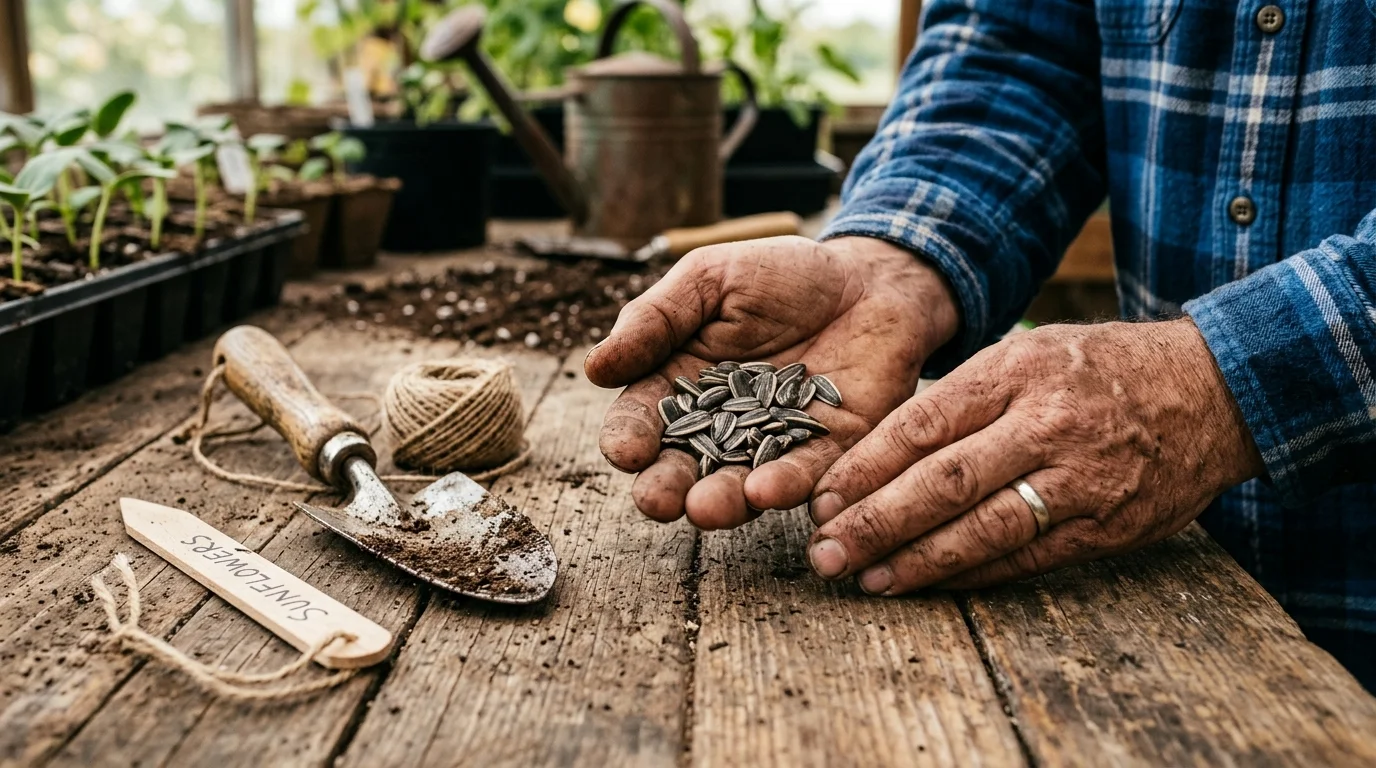
When selecting hybrids for any field production system, disease resistance ratings should be carefully reviewed alongside yield data. Sclerotinia head rot, downy mildew, and Phomopsis stem canker are the three most economically significant sunflower diseases in North America, and genetic resistance to these pathogens is the most cost-effective protection strategy available. Seed company trial data from your specific regional zone, rather than national averages, provides the most relevant performance information for hybrid selection decisions.
Field Preparation and Planting Density for Maximum Coverage
Field preparation for sunflowers begins long before planting day. A well-prepared seedbed is not just about tillage, it is about creating the specific physical environment that allows uniform germination across the entire field, which is the single most important determinant of a visually complete and agronomically uniform sunflower field.
Conventional tillage systems for sunflower production typically involve fall primary tillage to break up soil compaction, manage crop residue, and incorporate any lime or deep-banding fertilizer applications. Spring secondary tillage creates the fine, firm seedbed that ensures consistent seed-to-soil contact at planting. No-till establishment is increasingly practiced in sunflower production, particularly in the southern Great Plains where soil moisture conservation is a priority, but it requires attention to residue management and starter fertilizer placement to achieve comparable stand establishment to conventional systems.
Planting depth for sunflowers should be 1 to 1.5 inches in warm, moist soils and up to 2 inches in dry conditions to reach available soil moisture. Planting shallower than 1 inch risks uneven emergence if the surface soil dries between planting and germination. Deeper than 2.5 inches risks emergence failure as the seedling exhausts its cotyledon energy reserves before reaching the surface.
Plant population decisions are among the most impactful choices a field grower makes, and they differ significantly by production objective. For oilseed commercial production, final stand populations of 21,000 to 23,000 plants per acre are typical, achieved by planting at higher seeding rates to account for germination failures and early season mortality. For confection production where large seed size is the priority, lower populations of 16,000 to 18,000 plants per acre allow more resources per plant, resulting in larger individual seeds. For agritourism visual impact, seeding at 20,000 to 25,000 plants per acre creates the dense, shoulder-to-shoulder field appearance that generates the wall-of-gold visual effect visitors photograph.
Row spacing for mechanized production is typically 28 to 30 inches to allow equipment passage. Narrower rows down to 20 inches have shown yield benefits in research trials by improving canopy light interception, but they require compatible equipment and may limit options for in-season cultivation passes to manage weeds.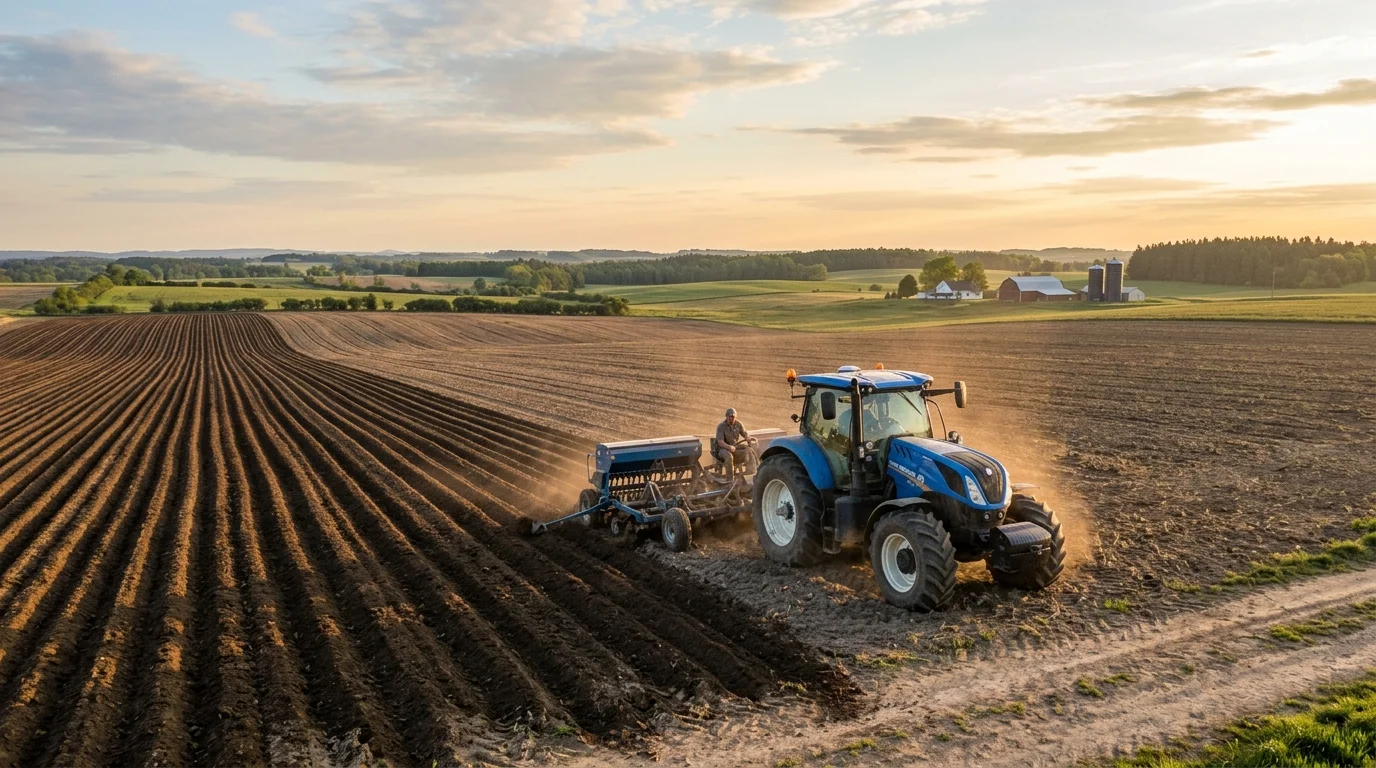
Water and Nutrient Dynamics in Sunflower Field Growth
Sunflowers have a reputation as drought-tolerant crops, and that reputation is scientifically grounded. Their deep tap root system allows access to subsoil moisture reserves that shallow-rooted crops cannot reach, and their stomatal regulation in response to water stress is more efficient than many broadleaf species. However, drought tolerance is not the same as drought indifference, and there are specific growth stages where water deficit causes yield losses that no subsequent irrigation or rainfall can recover.
The most critical water demand period in sunflower production is the reproductive phase spanning from bud formation through flowering and early seed fill, roughly between R1 and R6 on the standardized sunflower growth stage scale. Water stress during this window reduces both head diameter and seed set, with research from the University of Nebraska Lincoln demonstrating yield reductions of 20 to 40 percent from moderate water stress during anthesis compared to fully irrigated controls. For rain-fed production, planting timing should be managed to align this critical window with the highest historical probability of summer rainfall in your region.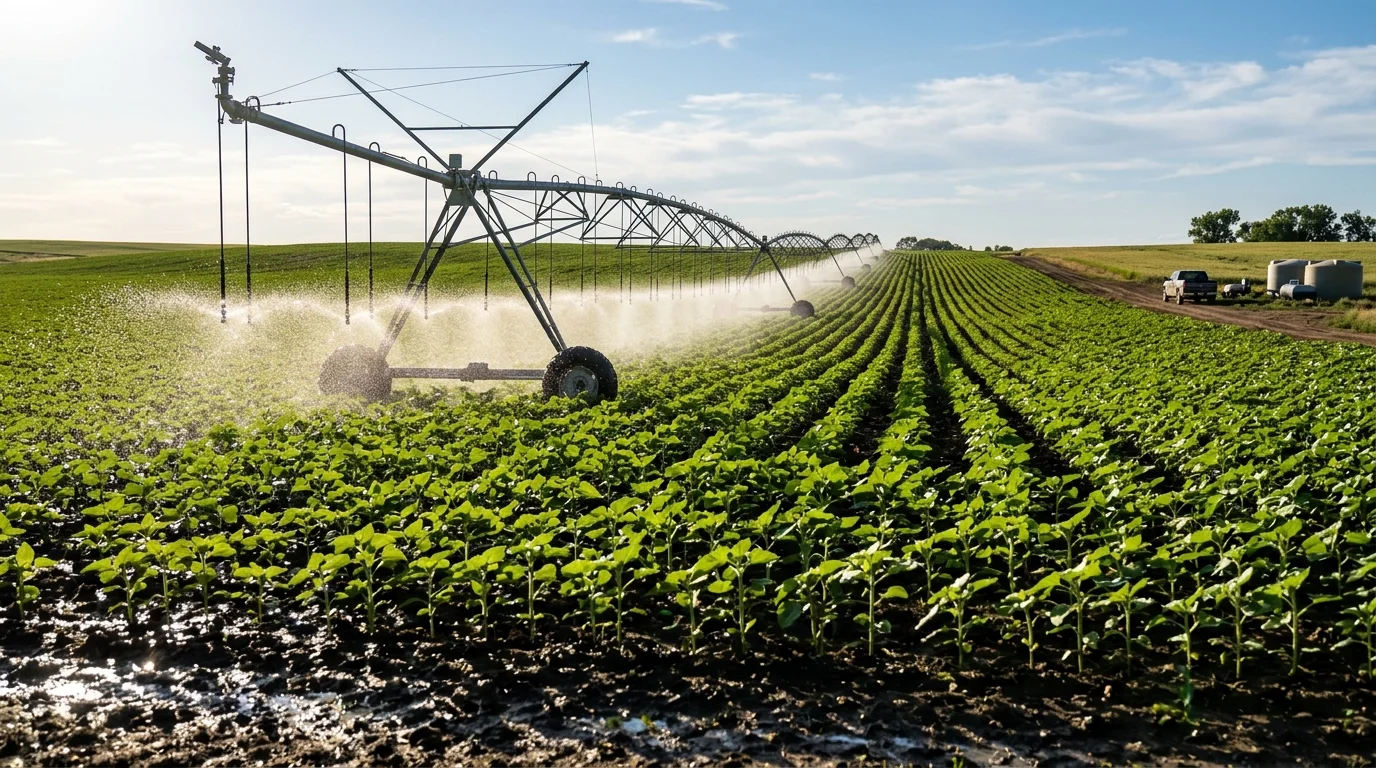
Nitrogen is the primary nutrient driver of sunflower yield, and field scale management of nitrogen requires careful attention to application timing and rate. The total nitrogen requirement for a commercial sunflower field targeting 1,500 to 2,000 pound per acre seed yields is typically 90 to 120 pounds of actual nitrogen per acre, accounting for soil organic matter contribution, previous crop nitrogen credits, and the crop’s own biological efficiency. Applying all nitrogen pre-plant as a single broadcast application is the common approach, but split applications with a portion applied at planting and the remainder side-dressed at the V6 growth stage have shown improved nitrogen use efficiency in high-yield environments.
Phosphorus and potassium requirements are secondary but not negligible. Sunflowers are documented as relatively efficient phosphorus scavengers due to their root exudate chemistry, but fields testing below 30 parts per million Bray-1 phosphorus will benefit from starter phosphorus placement at or near seed at planting. Potassium applications should be based on soil test data calibrated to local yield expectations, with most research showing economical response to potassium fertilization on soils testing below 150 parts per million.
Growth Timeline From Germination to Blooming Field
Understanding the chronological development of a sunflower field allows growers to anticipate management needs, plan labor and equipment availability, and set accurate expectations for visitors in agritourism operations. Sunflowers progress through a defined sequence of vegetative and reproductive stages that is consistent across varieties when adjusted for temperature accumulation.
Germination begins within 5 to 10 days of planting at soil temperatures of 50 to 55 degrees Fahrenheit at seeding depth, and accelerates to 4 to 6 days at the optimum soil temperature of 65 to 70 degrees Fahrenheit. Uniform soil temperature and moisture at planting depth are the two variables most directly under grower control, and both should be monitored carefully in the week following planting.
The vegetative phase spans from emergence through floral bud initiation and covers the first 35 to 45 days of the crop’s life in typical summer conditions. During this phase, the plant constructs the leaf canopy and stem structure that will support the reproductive head. Plants are growing rapidly, adding 2 to 3 inches of height per day during peak vegetative growth in warm conditions, and soil nitrogen demand is accelerating sharply.
Head initiation and development occur between approximately 35 and 55 days after emergence, and this is when the distinctive golden flower face begins to form. Heliotropism, the east-west daily tracking of the sun, is most pronounced during vegetative growth and diminishes as the plant reaches anthesis. Mature open sunflower heads predominantly face east, a biological phenomenon that warms the face in morning light and attracts pollinators earlier in the day.
Full bloom across a large field occurs as a wave rather than a simultaneous event, typically spanning 10 to 14 days from the first open heads to the last, due to natural variation in plant development timing even within a single hybrid. For agritourism operators, this means the peak visual window of a full golden field is roughly 7 to 10 days at maximum impact before petal senescence begins.
The field moves from bloom to physiological maturity in 25 to 40 days depending on temperature, humidity, and variety. Seed fill is the final major physiological event, during which the embryo and oil accumulate within each seed. The field will shift from gold to brown as petals fall and heads begin to droop under increasing seed weight, a visual transition that signals the approach of harvest.
Pest Pressure and Wildlife Impact on Sunflower Fields
No crop produces a field-scale pest magnet quite as effectively as sunflowers. The combination of an attractive, energy-rich seed head, a tall visible structure, and a predictable seasonal availability creates conditions that concentrate pest pressure from multiple taxonomic groups simultaneously. Understanding and anticipating this pressure is essential for protecting yield and stand quality.
Insect pests with the most consistent economic impact on sunflower fields include the sunflower beetle (Zygogramma exclamationis), which defoliates plants during the vegetative stage; the sunflower stem weevil (Cylindrocopturus adspersus), whose larvae girdle stems internally causing lodging near harvest; the banded sunflower moth (Cochylis hospes), whose larvae feed directly on developing seeds within the head; and the sunflower headclipping weevil (Haplorhynchites aeneus), which severs stalks just below the head, causing the entire head to drop prematurely.
Scouting protocols established by university extension programs in major sunflower-producing states provide economic threshold guidelines for each pest, allowing growers to make insecticide application decisions based on actual population counts rather than calendar-based programs. The National Sunflower Association provides integrated pest management resources that integrate both economic threshold data and resistance management considerations for the most commonly applied insecticide classes.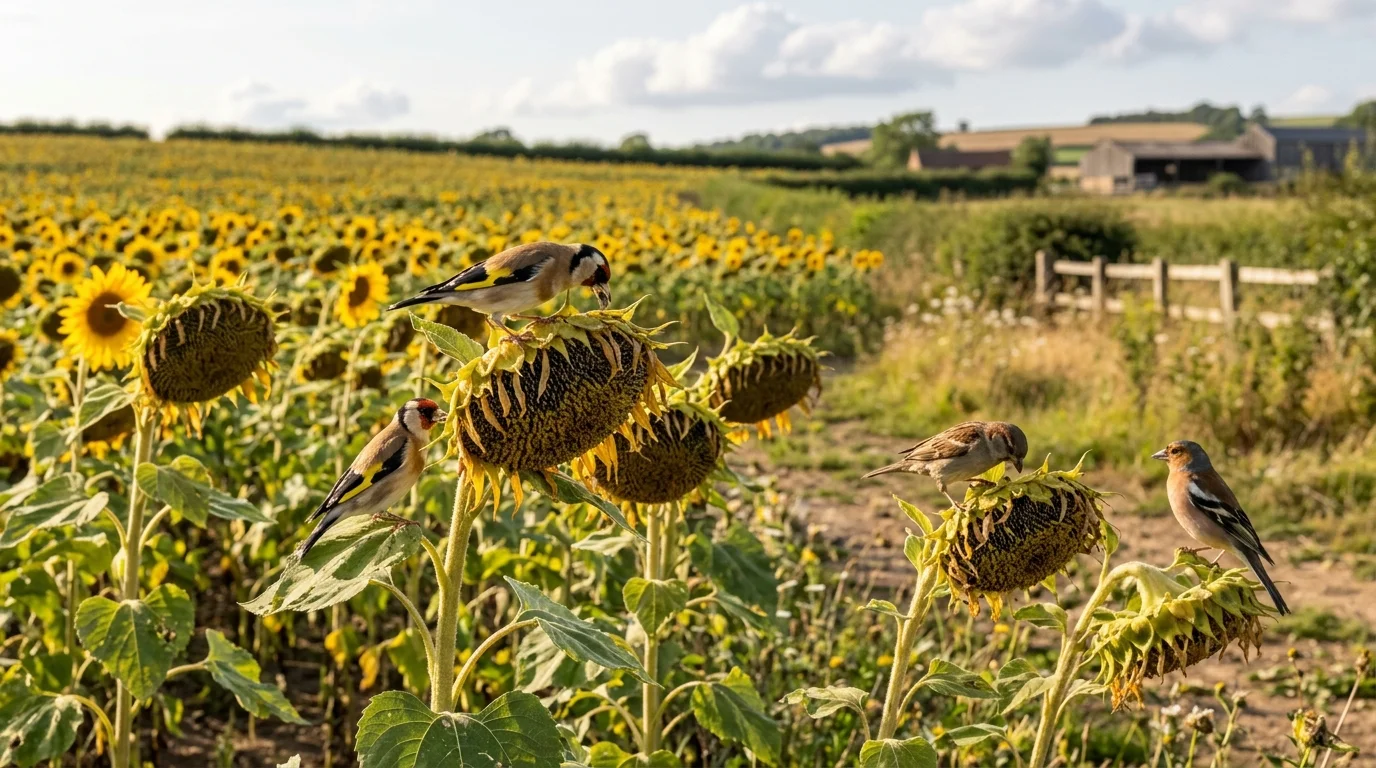
Bird pressure on sunflower fields is a major and often underestimated yield loss factor in commercial production. Red-winged blackbirds, common grackles, and sunflower specialist species including the dickcissel can cause seed losses of 5 to 30 percent in fields located near wetlands, tree rows, or roosting habitats. Mitigation strategies including propane cannons, reflective tape, predator decoys, and hazing programs require consistent and varied application to maintain effectiveness, as birds habituate rapidly to static deterrents.
Deer browsing during the vegetative stage can remove large sections of leaf canopy, and deer rubbing activity against stems can cause physical lodging. Fields adjacent to timber or brushy draws should be scouted early in the season to assess browsing pressure and determine whether perimeter fencing is economically justified.
Harvesting a Sunflower Field From Bloom to Seed Collection
Harvest timing for a sunflower seed field requires balancing seed moisture content, weather risk, and harvest efficiency in ways that differ from many other grain crops. The biological indicators of harvest readiness are specific and should be used rather than calendar dates, which vary too much by season and location to be reliable.
The primary visual indicator of physiological maturity is the back of the sunflower head. When the bracts, the small leaf-like structures on the back of the head, transition from green to yellow and then to tan or brown, the seeds have reached physiological maturity and maximum dry weight. At this stage, seed moisture is typically 35 to 40 percent, which is too wet for direct combine harvest. Fields are often left standing to field-dry to 18 to 20 percent moisture before combining, or harvested at higher moisture and artificially dried using grain dryers to 9 to 10 percent for safe long-term storage.
Combine harvest of commercial sunflower fields uses specialized header attachments designed for the large-diameter heads and the tendency of seeds to shatter out of mature heads during header contact. Reel speed, cylinder speed, and concave clearance settings all require adjustment from corn or soybean settings to minimize mechanical seed loss, which is the primary source of harvest inefficiency in commercial operations.
For agritourism or cut flower operations where intact seed heads rather than bulk seed are the harvest product, hand harvest at the petal stage or early seed fill stage produces the most visually appealing product. Stems should be cut with sharp tools, immediately conditioned in water, and cooled rapidly to extend vase life. Commercially harvested cut sunflowers have a vase life of 7 to 12 days under proper temperature and ethylene management protocols.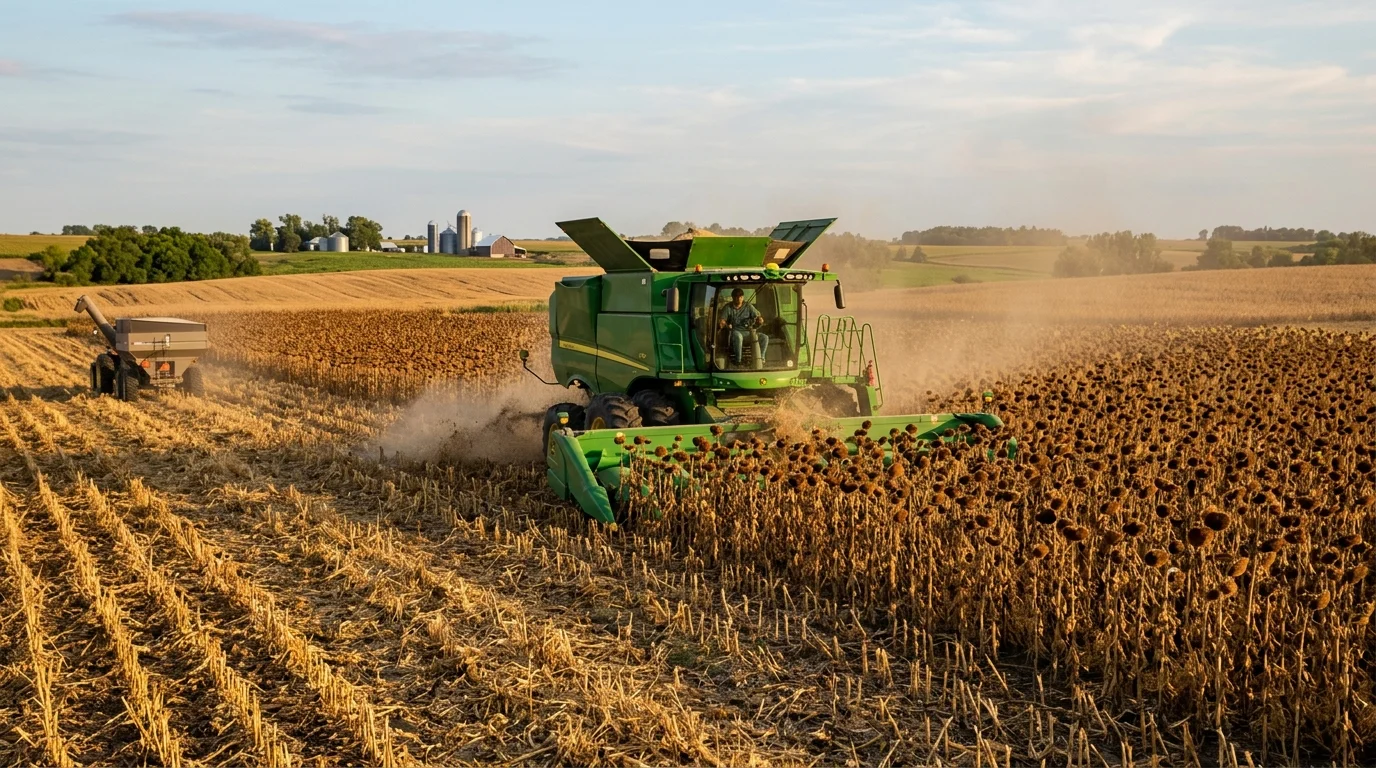
Misconception Alert: Sunflowers Grow Easily Without Management
The popular reputation of sunflowers as nearly effortless plants is accurate only at the scale of a few garden specimens. At field scale, this misconception is genuinely dangerous to the economic viability of a sunflower enterprise.
The first dimension of this misconception concerns weed competition. Sunflowers are poor competitors with weeds during the first four to six weeks after emergence because their seedlings are relatively slow to achieve canopy closure. Weeds establishing early in the season compete directly for soil moisture, nutrients, and light during the most resource-limited phase of crop development. Weed control programs in commercial sunflower production typically involve a pre-emergence herbicide application, often incorporating imazethapyr or s-metolachlor depending on the target weed spectrum, followed by a post-emergence application if early weed pressure exceeds acceptable thresholds.
The second dimension concerns disease. Sclerotinia head rot, caused by the fungal pathogen Sclerotinia sclerotiorum, can devastate an unmanaged sunflower field during wet flowering conditions. The pathogen infects through open florets during bloom and can destroy entire heads within 10 to 14 days under favorable conditions. Fungicide applications timed to the early bloom stage, combined with hybrid selection for genetic resistance, are the standard management approach in high-risk environments.
The third dimension of the misconception concerns pollination. Commercial sunflower production is highly dependent on insect pollination, and yields in fields with poor pollinator access can be 20 to 40 percent lower than fields with adequate bee visitation. Many commercial growers actively introduce managed honeybee hives at a rate of 1 to 2 hives per acre during bloom to ensure adequate pollination, particularly in landscapes with low wild pollinator populations.
Expert Insight Note
One of the most consistently overlooked management decisions in sunflower field production is the relationship between planting date and Sclerotinia head rot risk. Growers who plant early to maximize yield potential inadvertently align bloom timing with the peak period of Sclerotinia ascospore release from soil-based apothecia, which typically occurs in late June through July in most northern production regions. This creates a biological collision between open florets and maximum fungal inoculum pressure. Growers who delay planting by two to three weeks, accepting a modest yield reduction, often experience dramatically lower head rot incidence without any fungicide input at all. This timing strategy is documented in university extension research but is rarely communicated to new sunflower growers who receive only yield-focused planting date guidance. Understanding disease cycle timing, not just planting date agronomy, is what separates experienced sunflower producers from growers who experience their first Sclerotinia outbreak without understanding why it happened.
The Hidden Environmental Role of Sunflower Fields in Agriculture
Sunflower fields provide a range of ecological services that extend well beyond their commodity value and are increasingly being quantified and incorporated into agricultural policy and conservation program frameworks.
Pollinator support is the most widely recognized ecosystem service of sunflower fields. A single open sunflower head provides pollen and nectar resources for a diverse community of bee species, including not only the managed honeybees intentionally introduced for pollination but also native bumblebees, sweat bees, leafcutter bees, and specialist sunflower bee species in the genus Dieunomia. Research from the Xerces Society for Invertebrate Conservation has documented over 40 native bee species visiting sunflowers during bloom in prairie agricultural landscapes, making sunflower fields one of the highest-value habitats for pollinator conservation in intensively farmed regions.
Phytoremediation capacity is a less commonly understood but scientifically well-documented property of sunflowers. The species has a demonstrated ability to hyperaccumulate heavy metals, particularly lead and cesium, from contaminated soils through active uptake into above-ground biomass. Following the Chernobyl nuclear accident in 1986, sunflowers were planted in contaminated waterways to extract radioactive cesium-137 and strontium-90 from the water column, a process documented by researchers at the Department of Energy in the United States. While commercial sunflower fields are not typically used for remediation purposes, this characteristic reflects the species’ unusual biological relationship with soil chemistry.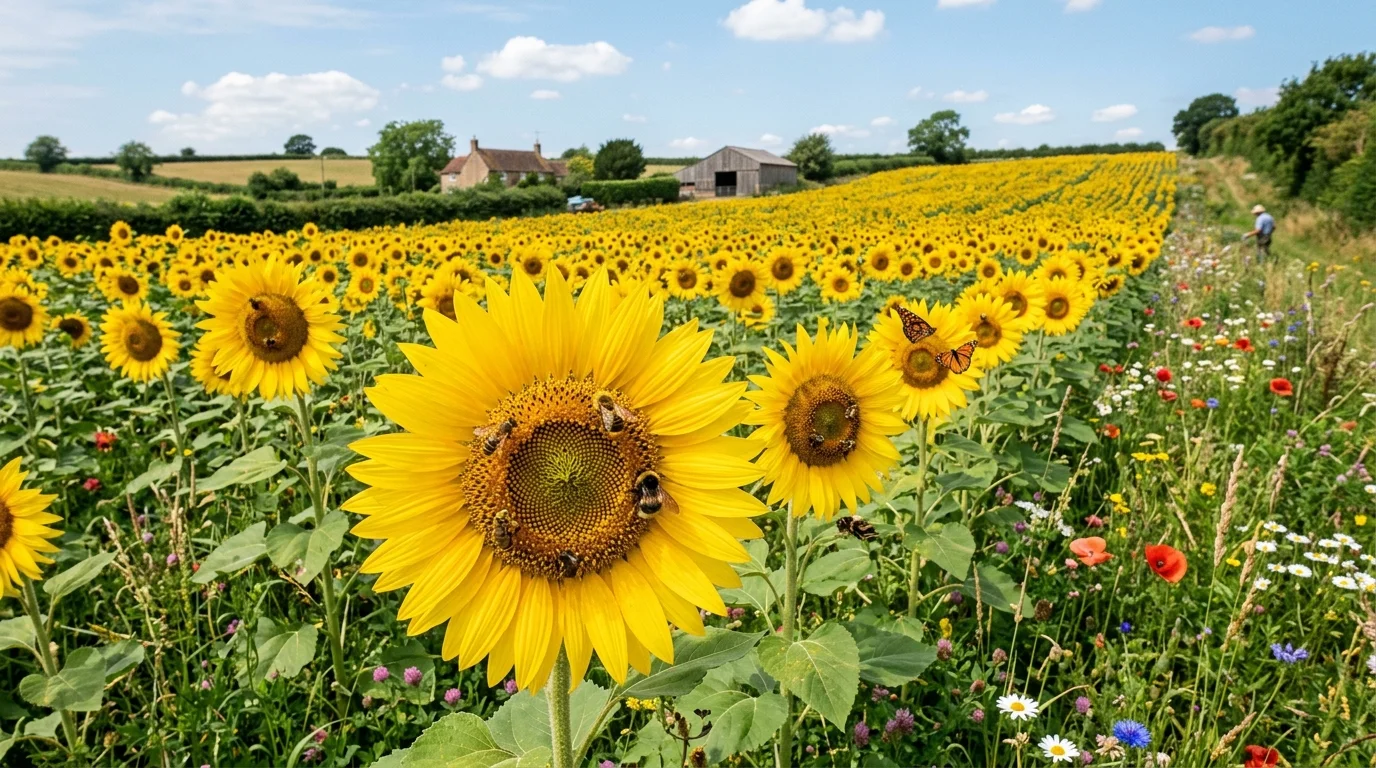
Carbon sequestration dynamics in sunflower fields are complex. The crop is an annual and does not contribute to long-term above-ground carbon storage the way perennial systems do. However, deep root biomass decomposition contributes to soil organic matter, and sunflower fields integrated into diverse crop rotations have been shown in long-term rotation studies to improve subsequent crop yields through their impact on soil biology, residue quality, and disruption of pest and disease cycles.
According to research supported by the USDA Agricultural Research Service Sunflower Research Unit in Fargo, North Dakota, which represents the most concentrated institutional expertise in sunflower agronomy in the world, sunflower cultivation in rotation with small grains and corn provides measurable improvements in soil microbial diversity compared to continuous cereal monocultures, with downstream benefits for soil aggregate stability and water infiltration rates.
Economic Value Why Farmers Invest in Sunflower Fields
The economic rationale for sunflower field production operates on multiple value streams simultaneously, which distinguishes it from many commodity crops where a single price channel determines profitability.
Oilseed sunflowers trade as a commodity on global markets, with prices influenced by competing oilseed crops including canola, soybeans, and palm oil. The U.S. domestic oilseed sunflower market is supported by crush facilities in the Dakotas that process seed into crude sunflower oil for food and industrial applications. High-oleic sunflower oil commands a premium over standard sunflower oil in the specialty food market, driven by food manufacturer demand for naturally stable frying oils with clean label ingredients and extended shelf life compared to hydrogenated alternatives.
Confection sunflower production offers significantly higher per-acre gross revenue potential than oilseed production when quality standards are met, because confection seeds sell at a substantial premium over commodity oilseed prices. However, the market requires contract arrangements with processors, and price premiums are contingent on meeting specific seed size, moisture, and quality specifications that require more precise agronomic management to achieve consistently.
Agritourism is an increasingly significant economic use case for sunflower fields, particularly for farms located within driving distance of urban population centers. U-pick sunflower operations, guided field photography experiences, and weddings using sunflower fields as backdrops generate revenue from visitor admission, flower sales, and event fees that can produce per-acre returns comparable to or exceeding commodity production in favorable locations. The relatively short bloom window of two to three weeks creates a concentrated revenue event that requires significant advance marketing investment but low ongoing operational cost during the visitor season.
The emerging bioenergy market represents a longer-term economic opportunity for sunflower producers. Sunflower oil has favorable properties as a feedstock for biodiesel production, and seed meal remaining after oil extraction is a high-protein livestock feed ingredient competitive with soybean meal in nutritional profile. Integrated production systems that capture value from both the oil fraction and the meal fraction of the seed, rather than selling raw seed as a commodity, represent the highest economic utilization of field production in currently available market structures.