
A cracked heat exchanger is one of the most serious and misunderstood problems in residential heating systems. Many homeowners ask whether it actually leaks carbon monoxide, and the answer is yes under the right conditions it can. The real danger is that this process happens silently without visible smoke or warning signs.
Inside a Furnace Heat Exchanger Where Air and Combustion Should Never Meet
Simple explanation of how a heat exchanger works
A heat exchanger is the core component inside a furnace where fuel is burned to produce heat. The system keeps combustion gases inside a sealed metal chamber while indoor air flows around it and gets heated. This allows safe heating without exposing indoor air to toxic gases.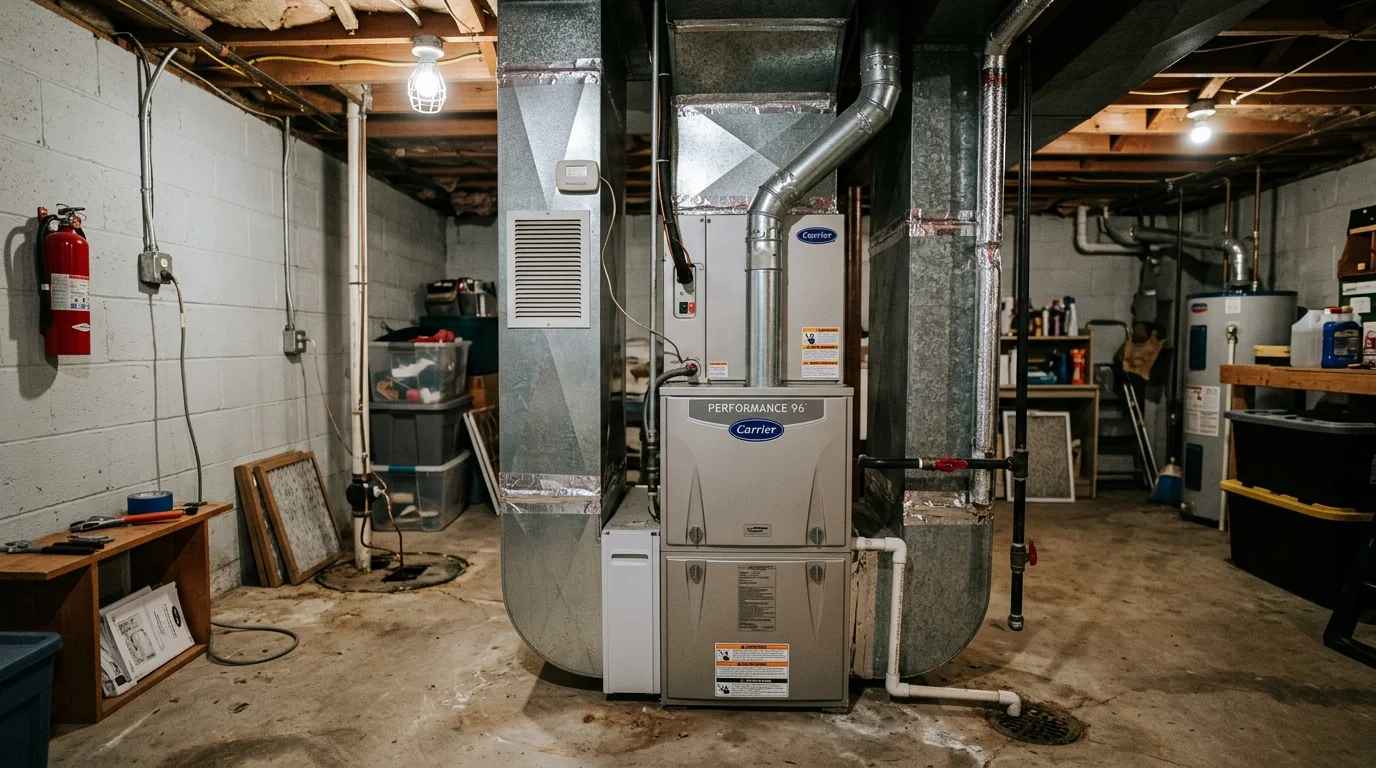
Separation of combustion gases and indoor air
In a properly working furnace, gases such as carbon monoxide remain fully separated from indoor air. The exchanger transfers heat but blocks gas movement. This separation is the foundation of furnace safety.
Why this barrier is critical for human safety
Carbon monoxide is colorless and odorless but highly toxic. If the barrier fails, gases mix with indoor air and create a dangerous exposure risk.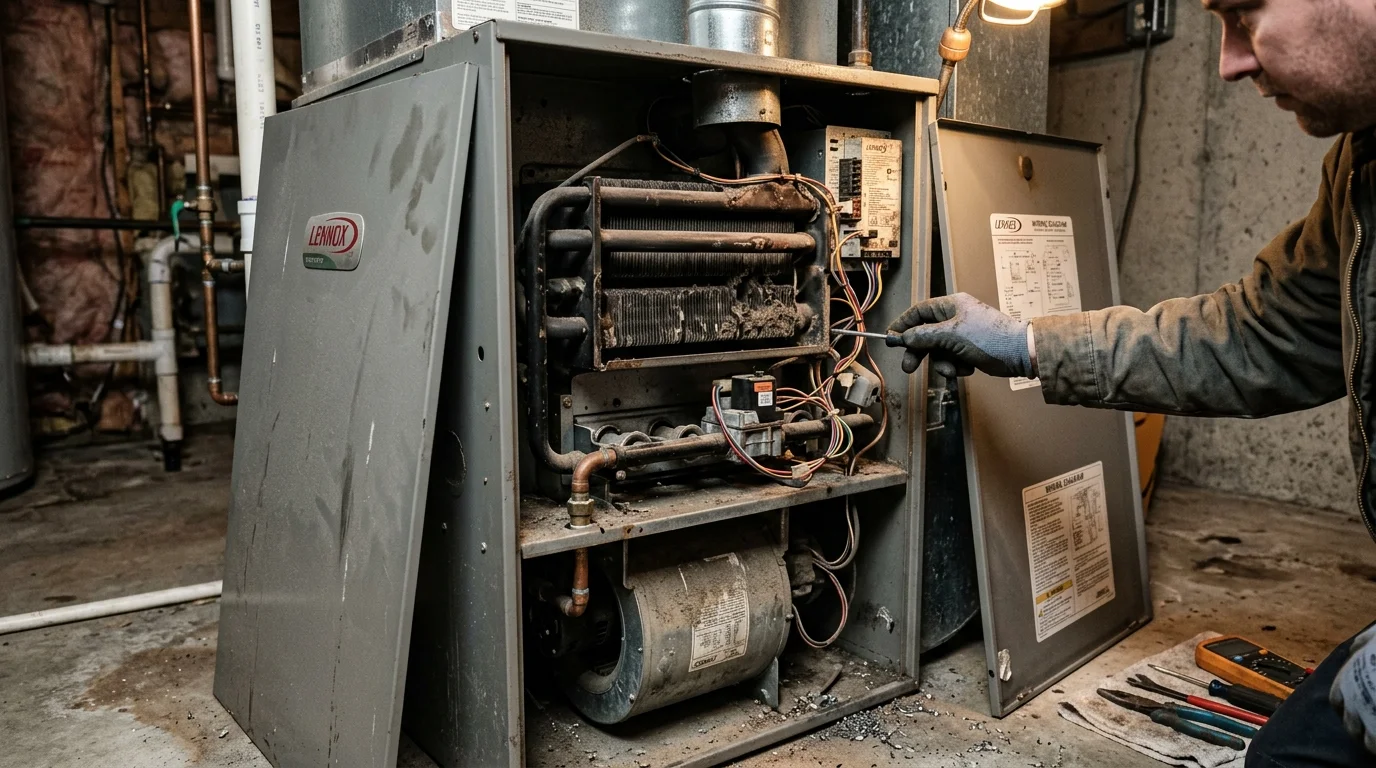
When Metal Fails How Cracks Turn a Safe System into a Carbon Monoxide Source
How cracks create pathways for gas leakage
A crack breaks the sealed structure of the exchanger. Even a small fracture allows combustion gases to escape during furnace operation.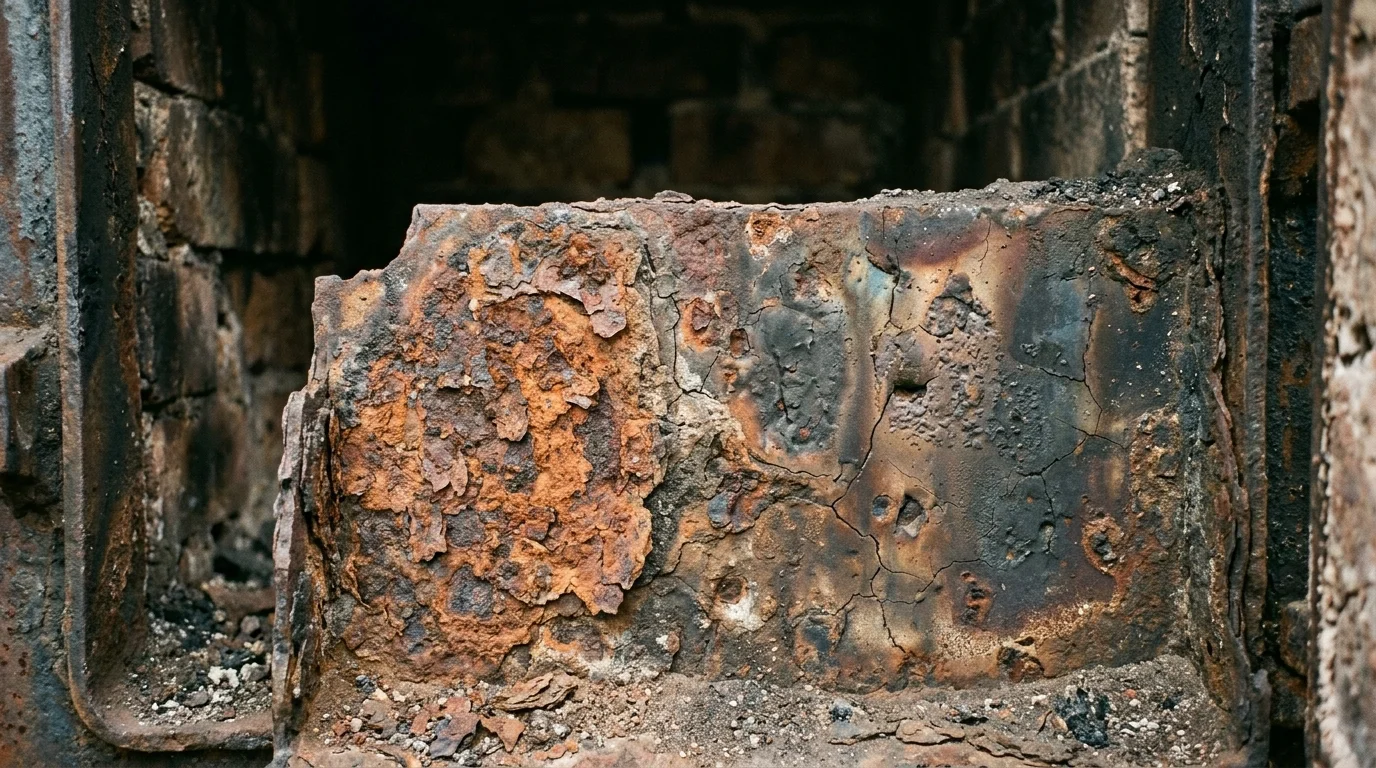
Pressure differences that push CO into living spaces
Furnaces operate with pressure changes. The blower pushes air while combustion gases create internal force. These differences push carbon monoxide through cracks into indoor airflow.
Why even small fractures can become dangerous
Small cracks grow over time due to heat stress. Even early damage can allow gas leakage.
Invisible Threat Carbon Monoxide Movement Through a Cracked System
Once carbon monoxide enters the airflow, it spreads through ducts across the entire home. It reaches multiple rooms quickly.
Carbon monoxide cannot be detected without sensors. People often remain unaware until symptoms appear.
Modern homes trap air efficiently. This allows gas buildup and increases exposure risk.
Silent Hypoxia How Carbon Monoxide Disrupts Human Biology
Carbon monoxide binds to hemoglobin much stronger than oxygen. This blocks oxygen supply to organs.
Early symptoms include headache and dizziness. These signs are often ignored.
Exposure increases rapidly in enclosed spaces and can become fatal.
Expert Insight Note
Even when a crack does not immediately leak measurable carbon monoxide, it creates unstable combustion conditions. This can cause sudden spikes in CO levels under high demand or restricted airflow, making the system unpredictable and more dangerous than steady leaks.
Risk Reality Can You Run a Furnace with a Cracked Heat Exchanger
Running a furnace with a cracked heat exchanger is unsafe. It increases exposure risk with every cycle.
As cracks grow, more gas leaks into indoor air. Continued use increases danger.
Real cases show serious harm when this issue is ignored.