
A heating system is designed to provide warmth and comfort, but it operates through controlled combustion. This chemical reality brings a significant inherent risk. Carbon monoxide poisoning from residential heating equipment accounts for thousands of emergency room visits annually. The question of whether a furnace can leak this toxic gas requires a scientific understanding of how these systems generate heat, how they fail, and how carbon monoxide behaves in an enclosed residential environment.
Table of Contents
ToggleThe Core Answer Most Homeowners Get Wrong
Many people assume a well maintained furnace is entirely sealed and incapable of releasing dangerous gases into the home. This is factually incorrect. A furnace absolutely can leak carbon monoxide. The fundamental design of a gas or oil burning furnace relies on a physical barrier separating the combustion process from the breathable air circulating through the house. When that barrier degrades, the separation is broken. Homeowners often believe that a carbon monoxide leak will present itself as a gas smell or a noisy mechanical failure. In reality, carbon monoxide is a completely colorless and odorless byproduct of combustion. A furnace can operate silently, heat the home effectively, and simultaneously leak lethal concentrations of gas into the ductwork.
The Combustion Breakdown That Creates Carbon Monoxide
Carbon monoxide is not a fuel; it is a chemical byproduct of incomplete combustion. When a furnace operates perfectly, natural gas or heating oil reacts with oxygen to produce heat, water vapor, and carbon dioxide. This requires an exact ratio of fuel to atmospheric oxygen. If the oxygen supply is restricted by a blocked intake, a dirty burner, or improper gas pressure, the chemical reaction starves. The carbon atoms fail to bond with two oxygen atoms, forming toxic carbon monoxide instead of relatively harmless carbon dioxide. This gas then builds up inside the combustion chamber, waiting for an escape route.
Why a Furnace Can Leak Even When It Is Turned Off
This concept frequently confuses both homeowners and novice inspectors. A furnace can indeed introduce carbon monoxide into a home even when the heating cycle is inactive. This occurs through a phenomenon known as backdrafting. If a home is highly insulated and structurally tight, the operation of other exhaust appliances, like a bathroom fan, a clothes dryer, or a kitchen range hood, can create negative pressure inside the house. This negative pressure acts like a vacuum, pulling residual exhaust gases down the furnace flue and spilling them back into the basement or utility room, regardless of whether the furnace burners are actively firing.
Gas Oil and Electric Furnaces Do Not Carry Equal Risk
The fuel source dictates the chemical risk profile of the equipment. Gas and oil furnaces burn physical fuel, making them primary generators of carbon monoxide. Natural gas and propane furnaces burn exceptionally clean, making their carbon monoxide leaks entirely undetectable without specialized equipment.
Electric furnaces, by contrast, carry absolutely zero risk of carbon monoxide generation. They operate through electrical resistance heating, passing a current through metal coils to generate warmth. There is no combustion, no fuel, and no chemical byproduct. If a carbon monoxide alarm triggers in a home solely heated by an electric furnace, the source is an attached garage, a fireplace, or another gas appliance, not the electric heating unit.
Hidden Mechanical Failures That Lead to Carbon Monoxide Leaks
The physical degradation of furnace components is the primary vehicle for a leak.
- Cracked Heat Exchanger: The heat exchanger is a metal shield separating the toxic exhaust from the clean air blowing into your rooms. Years of expanding and contracting from intense heat cause metal fatigue, eventually forming microscopic cracks.
- Corroded Flue Pipes: The exhaust pathway carrying gases to the roof can rust or disconnect over time.
- Blocked Chimneys: Animal nests, fallen leaves, or crumbling masonry can obstruct the exhaust vent, forcing the carbon monoxide to spill out of the draft hood and back into the house.
Expert Insight Note
As an environmental scientist studying indoor air quality dynamics, I frequently identify a critical oversight in residential HVAC maintenance regarding secondary heat exchangers. In high efficiency condensing furnaces, the secondary heat exchanger extracts heat from acidic exhaust gases. Over time, this acidic condensation can severely corrode the metal. Unlike the primary heat exchanger, which might crack visibly, the secondary unit often fails internally, quietly releasing a highly concentrated stream of carbon monoxide directly into the blower stream without triggering any primary safety shutoff switches.
Silent Exposure How to Recognize a Furnace Leak Without Smell
Because carbon monoxide lacks smell or taste, identifying a leak requires physiological awareness and environmental observation.
- Unexplained Physical Symptoms: Frequent headaches, dizziness, nausea, and extreme fatigue that miraculously vanish when you leave the house are the primary biological indicators.
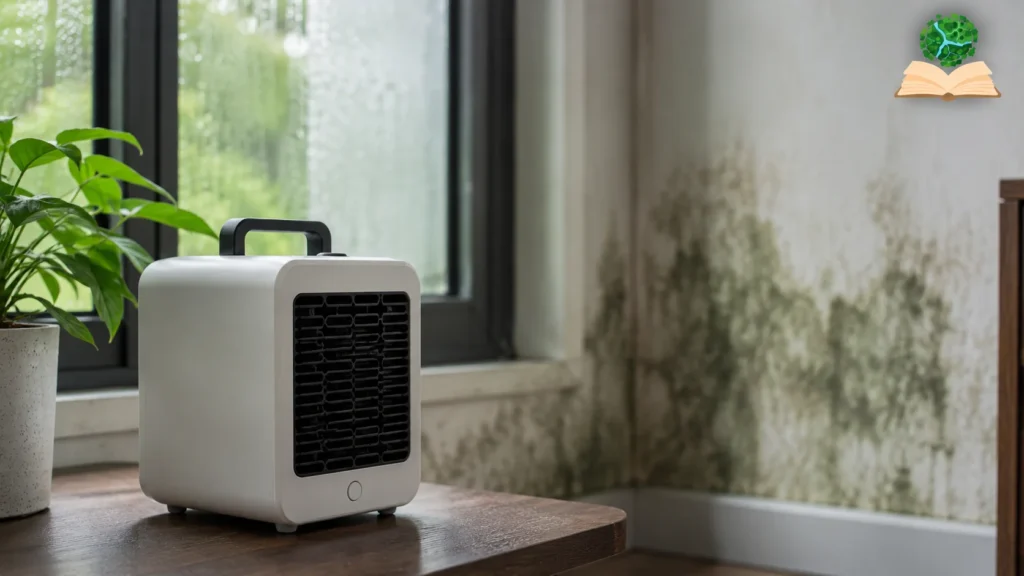
- Excessive Condensation: Heavy moisture accumulating on the inside of your windows can indicate that combustion gases, which contain high levels of water vapor, are spilling into the living space instead of venting outside.
- Soot Accumulation: Dark, powdery streaks around the furnace registers or the burner compartment suggest incomplete combustion and a high probability of a leak.
- Yellow Burner Flames: A healthy natural gas flame is sharp and blue. A lazy, flickering yellow or orange flame proves that the fuel is starving for oxygen, a direct catalyst for carbon monoxide production.
How Professionals Detect Carbon Monoxide Leaks in Furnace Systems
Professional HVAC technicians do not rely on basic residential ceiling alarms. They utilize advanced diagnostic chemistry. Technicians deploy a digital combustion analyzer, inserting a specialized metal probe directly into the furnace exhaust flue. This instrument measures the precise parts per million of oxygen, carbon dioxide, and carbon monoxide in real time. Furthermore, experts perform a specialized draft test to ensure the exhaust is actively pulling gases up the chimney, rather than allowing them to spill backward.
Can You Fix a Carbon Monoxide Leak in a Furnace Yourself
Under no circumstances should an untrained individual attempt to repair a furnace actively leaking carbon monoxide. The chemistry of combustion and the physics of draft pressure require certified calibration. Applying high temperature epoxy to a cracked heat exchanger or taping a rusted flue pipe are not valid solutions; they are catastrophic risks. If a heat exchanger has failed, it must be completely replaced by a licensed professional, or the entire furnace must be upgraded.
Economic Burden and Public Health Impact of Furnace Related CO Exposure
The broader consequences of indoor carbon monoxide exposure extend far beyond individual households. The Centers for Disease Control and Prevention reports that unintentional, non fire related carbon monoxide poisoning kills hundreds of people annually and forces tens of thousands of individuals to seek emergency medical care. The medical costs, lost productivity, and emergency response expenditures create a massive economic burden. Routine maintenance and strict building codes are essential public health interventions necessary to mitigate these widespread impacts.
Building a Reliable Home Defense Against Furnace CO Leaks
Creating a fail safe environment requires overlapping layers of protection.
- Annual Diagnostics: Hire a certified technician every autumn to perform a chemical combustion analysis, not just a visual inspection.
- Strategic Alarm Placement: Install an electrochemical carbon monoxide detector within fifteen feet of every sleeping area and on every level of the home.
- Ventilation Management: Ensure all external exhaust pipes remain clear of snow, ice, and debris throughout the winter.
- Component Upgrades: Replace electrochemical alarms every five to seven years, as their internal sensing mechanisms physically degrade and lose accuracy over time.