

Every month a household runs entirely on grid electricity, it contributes to carbon emissions that would not exist with a solar system in place. The question of when to install solar panels is not just a financial one. It is an environmental one. The sooner a solar system goes live, the sooner it begins offsetting the emissions that coal, natural gas, and other fossil fuel sources generate to power your home.
The average American household consumes around 10,500 kilowatt-hours of electricity per year. Depending on your regional grid mix, that consumption generates between 3 and 7 metric tons of carbon dioxide equivalent annually. A properly sized residential solar system eliminates the majority of that figure from your personal carbon footprint within weeks of installation. Every month of delay is a month of avoidable emissions that cannot be recovered later.
This article approaches the timing question from both an environmental and a practical standpoint, because the two are deeply connected. Understanding what solar panels actually do to your carbon output, how they perform across seasons, and what delays cost the planet gives the installation timing decision a weight that purely financial calculations miss.
What a Solar Installation Actually Does to Your Carbon Footprint
Solar panels generate electricity through the photovoltaic effect, a process in which photons from sunlight displace electrons in silicon cells, creating a flow of direct current electricity. This process produces zero operational carbon emissions. No combustion occurs. No greenhouse gases are released during electricity generation. The only carbon associated with solar energy comes from manufacturing the panels and installing the system, which is recovered environmentally within two to four years of operation in most climates.
The carbon payback period for a solar panel, meaning the time it takes for the clean energy produced to offset the emissions from its own manufacture, ranges from one to four years depending on the panel type, manufacturing location, and the carbon intensity of the grid it replaces. After that payback period, every kilowatt-hour a panel generates is genuinely carbon-negative relative to the fossil fuel alternative it displaces.
A typical residential system with a 25 to 30 year lifespan will offset between 70 and 150 metric tons of carbon dioxide over its operational life, depending on system size and regional grid composition. To put that number in context, planting roughly 1,000 trees and allowing them to grow for a decade produces a comparable carbon sequestration figure. Solar installation achieves that outcome without land use, ongoing maintenance, or the uncertainty of biological systems.
This is why installation timing carries genuine environmental weight. A system installed in October rather than the following June produces an additional eight months of clean electricity before the first summer arrives. For a 7 kilowatt system in a moderate climate, that gap represents approximately 2,800 kilowatt-hours of additional clean generation and around one metric ton of avoided carbon emissions.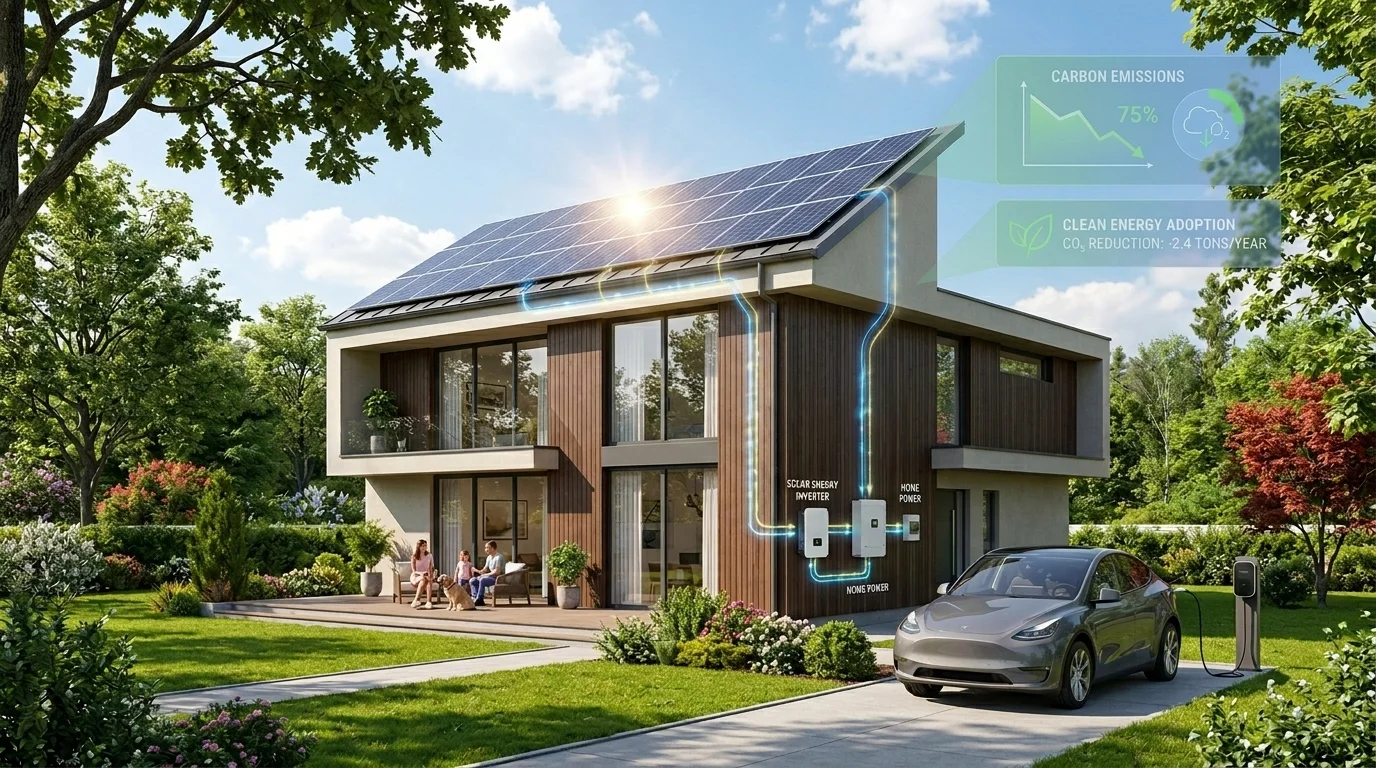
How Solar Panels Perform Across Different Seasons
A persistent misconception about solar energy is that panels only work effectively in hot, sunny weather. This misunderstanding causes many homeowners to delay installation until summer, which is environmentally counterproductive and factually incorrect.
Photovoltaic cells operate on light intensity, not temperature. In fact, high temperatures reduce panel efficiency through a physical property called the temperature coefficient. Most commercial solar panels lose between 0.3 and 0.5 percent of their rated output for every degree Celsius above 25 degrees Celsius. On a 38 degree summer day, panels can be operating 5 to 7 percent below their rated capacity purely because of heat stress on the cells.
Cold, clear winter days produce some of the highest panel efficiency readings of the year. The combination of low temperature and high solar reflectance from snow-covered ground, a phenomenon called the albedo effect, can push panel output above standard test condition ratings on particularly bright winter days. Germany, which has a climate comparable to the northern United States and experiences significant cloud cover throughout the year, consistently ranks among the world’s top solar energy producers per capita. This demonstrates that temperate and even cool climates are entirely viable for high solar output.
Seasonal variation in solar output is primarily driven by day length and sun angle, not temperature. Winter days are shorter and the sun sits lower in the sky, which reduces the total daily energy harvest. Spring and autumn offer a balance of reasonable day length and cooler temperatures that keeps panels running efficiently. Summer produces the longest days but also the most heat stress. Across a full year, the differences between seasons in terms of total annual output are smaller than most people assume, typically within 15 to 20 percent between the best and worst calendar months for a fixed roof installation.
Why Autumn and Winter Installations Maximise Environmental Benefit
From a purely environmental standpoint, earlier installation always produces greater lifetime carbon reduction. But autumn and winter offer specific advantages that make them the smartest window for homeowners who are ready to act.
Installing in autumn means the system is live and generating clean electricity through winter, spring, and into summer before peak air conditioning demand arrives. In net metering regions, where utilities credit homeowners for excess electricity fed back to the grid, autumn installation allows the system to build up credits during lower-demand months. Those credits offset summer consumption when grid demand is highest and the carbon intensity of peak grid electricity is often at its worst, because utilities frequently bring older, less efficient fossil fuel plants online to meet summer peaks.
Winter installations carry the additional environmental advantage of shorter utility interconnection queues. In high solar adoption states like California, New York, and New Jersey, utility approval for grid connection can take six to ten weeks during summer peak periods. A system physically installed in November may be generating clean electricity before a system installed in June, simply because the administrative bottleneck clears faster in winter. That difference represents real emissions avoided or delayed depending on when approval comes through.
Research from the National Renewable Energy Laboratory shows that the carbon intensity of the US electricity grid varies significantly by season and time of day. Displacing grid electricity during high carbon intensity periods, which often align with winter heating peaks and summer cooling peaks, produces greater environmental benefit per kilowatt-hour than displacing low-carbon grid electricity during mild weather periods. A solar system that is live and generating through these peak periods does more environmental work than one that sits waiting for installation approval during those same months.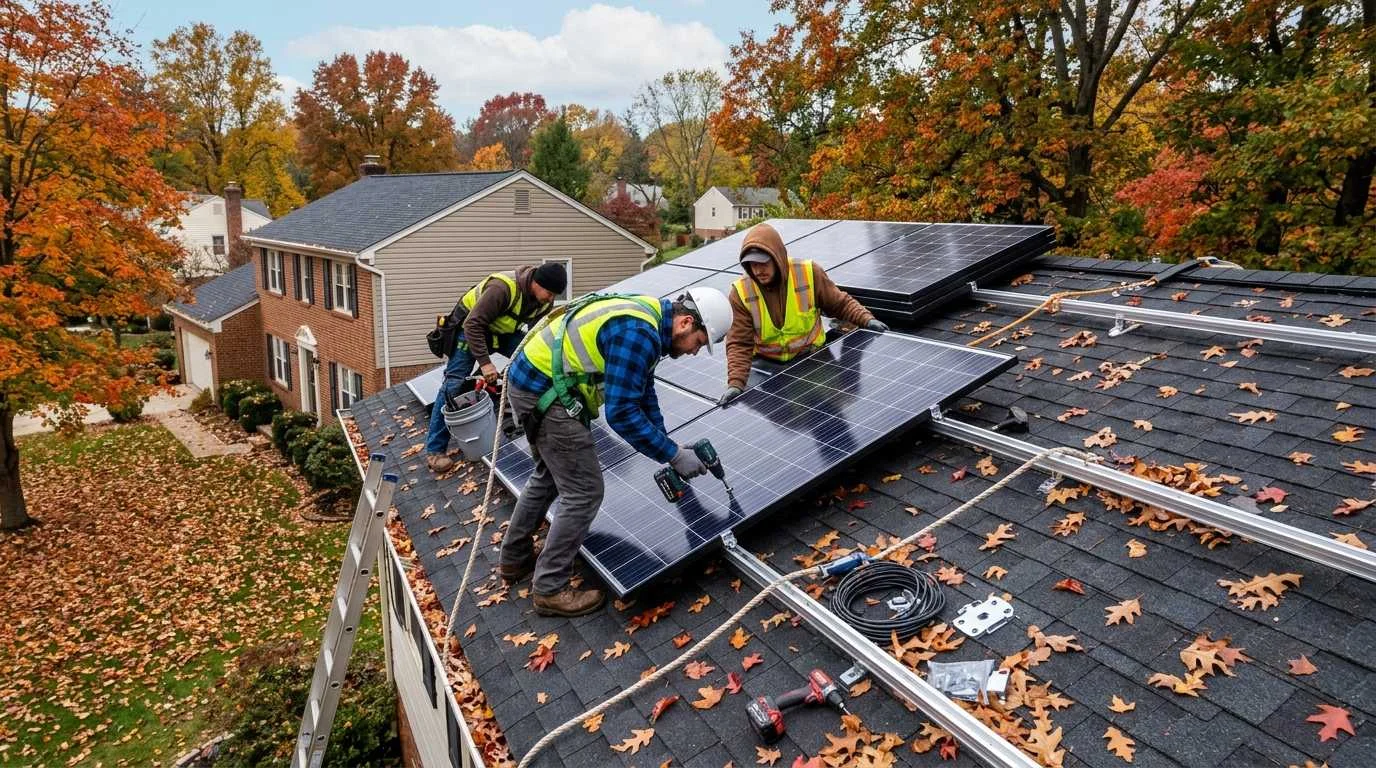
The Environmental Cost of Waiting to Install
Delaying solar installation is an environmental decision as much as a financial one, and the cost of that delay is measurable. For a household generating 5 metric tons of grid-attributed carbon emissions per year, every month of delay represents approximately 420 kilograms of avoidable carbon dioxide equivalent entering the atmosphere.
A common reason homeowners delay is the belief that solar panel technology will improve significantly in the near future, making it worth waiting for the next generation of panels. This reasoning has a fundamental flaw. The panels available today already achieve 20 to 23 percent efficiency for standard residential modules, with premium panels reaching 22 to 24 percent. Incremental efficiency gains in future panels will not meaningfully change the carbon math for a household that installs now versus two years from now. The carbon avoided during those two years of waiting is gone permanently.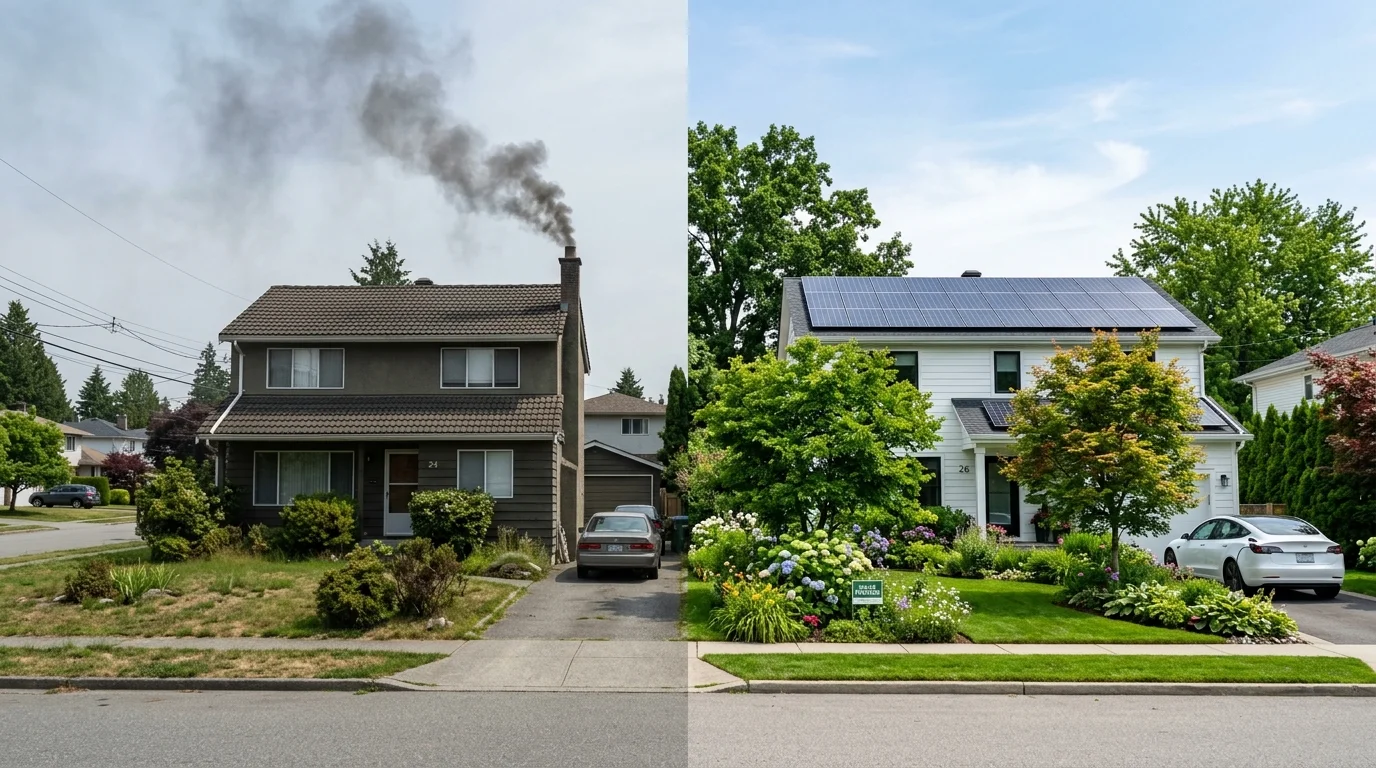
Another common delay is waiting for prices to fall further. Solar panel costs have dropped by over 90 percent since 2010, according to data tracked by the International Renewable Energy Agency. The rate of price decline has slowed considerably as the market has matured. The electricity savings and carbon offsets a system generates starting today almost always outweigh the benefit of a modest future price reduction, particularly when federal and state incentive programs are factored into the current cost.
A calculation that most homeowners never run is the cumulative carbon cost of their personal installation delay. Take your household’s annual electricity consumption in kilowatt-hours, multiply by your regional grid emission factor (available from the EPA’s eGRID database by zip code), and divide by twelve. That figure is the weight in kilograms of carbon dioxide your household is responsible for each month you remain on grid power rather than solar. For most households in coal-heavy grid regions, this number runs between 300 and 600 kilograms per month. Seeing that figure as a concrete number rather than an abstract concept changes how people think about installation timing. It reframes the decision from “when is convenient” to “how much longer am I willing to emit.”
Can Solar Panels Be Installed in Winter and Still Help the Environment
Yes, and in many regions winter installation is the most environmentally responsible choice available. The concern that winter installations are less productive than summer ones is based on the correct observation that winter days are shorter. But shorter days do not mean the system is environmentally ineffective. A system producing 60 percent of its summer output during winter months is still generating clean electricity that displaces grid power with a real carbon cost.
In regions with cold but sunny winters, such as the American Northeast, the Mountain West, and the upper Midwest, winter solar production can be surprisingly strong. Clear, cold days with snow on the ground around but not covering the panels produce excellent output because of the combination of low temperature efficiency gains and increased reflected light from surrounding snow. Several peer-reviewed studies on solar performance in cold climates have documented output levels in January and February that exceed performance predictions made using standard summer-focused modeling tools.
The environmental argument for winter installation is straightforward. Grid electricity in winter often carries a higher carbon intensity than at other times of the year in heating-dependent regions, because natural gas peaker plants operate more frequently to meet heating demand. Every kilowatt-hour a solar panel generates in winter directly displaces that higher-carbon grid power. The environmental return per unit of solar output is therefore often higher in winter than in the mild spring and autumn months when grid carbon intensity is lower.
Roof Condition and Environmental Responsibility
One aspect of solar installation timing that carries genuine environmental implications is roof condition. Installing solar panels on a roof that will need replacement within five to seven years creates a significant environmental problem. The panels must be removed by a certified installer, the roof work completed, and the panels reinstalled. Each removal and reinstallation cycle has an energy cost and generates waste from damaged mounting hardware, sealants, and occasionally panels themselves if they are damaged during the process.
From an environmental standpoint, the ideal installation sequence is to assess roof condition honestly before committing to solar. A roof with fifteen or more years of remaining life is a good candidate for immediate installation. A roof with five years or less should be replaced first, using the most durable and long-lasting materials available, before the solar system goes on top. This approach minimises the total lifecycle environmental cost of the installation by avoiding unnecessary removal and reinstallation cycles over the system’s operational life.
Sustainable roofing materials that extend roof life, such as metal roofing or high-durability composite shingles, are worth considering as part of the solar preparation process. A metal roof beneath a solar array can last fifty years or more, meaning the solar panels will likely be replaced before the roof ever needs attention again. This approach reduces the total material and energy inputs required to maintain a solar-equipped home over several decades.
Making the Environmental Case to Your Household
For many homeowners, the financial return on solar investment is the primary driver of the installation decision. But the environmental case is equally compelling and sometimes more persuasive for households where the financial numbers are marginal. Framing the timing decision in terms of cumulative avoided emissions rather than just payback years changes the conversation in a useful way.
A solar system installed this autumn rather than next summer avoids approximately one metric ton of carbon emissions during those eight months of earlier operation. Over a thirty-year system life, the difference between a household that installed solar in 2024 versus 2026 amounts to roughly ten to fourteen metric tons of additional avoided emissions simply from the earlier start date. That figure represents a meaningful individual contribution to emissions reduction that compounds with every year the system operates.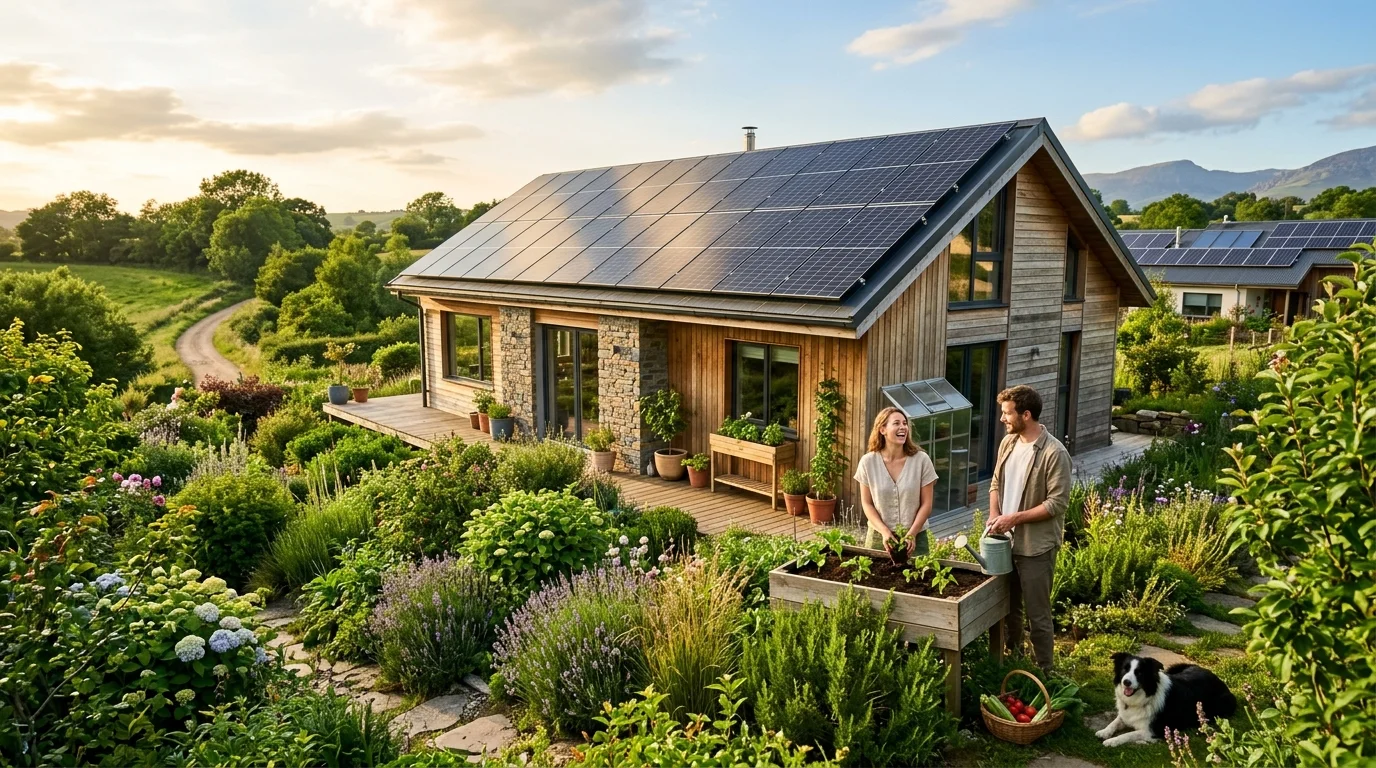
The same logic applies to agricultural and land management decisions, where acting early in the season consistently produces better outcomes than waiting for perfect conditions. Growers who understand the importance of timing in sustainable practices, whether establishing cover crops or managing soil health across seasons, recognise that delay has a cost that cannot be recovered. The principles that make early action valuable in sustainable agriculture apply directly to the decision of when to put clean energy generation on your roof. Homeowners curious about how timing shapes outcomes in other sustainable growing contexts can explore how seasonal planning affects results when growing sunflowers, a crop whose performance is deeply tied to planting window decisions in the same way solar output is tied to installation timing.