
Water covers 71 percent of the Earth’s surface, yet most of it is completely useless for drinking. Only 2.5 percent of all water on Earth is freshwater, and the vast majority of that is locked in glaciers and ice caps. Just 0.5 percent of all water on Earth is usable and available freshwater, the fraction that fills rivers, lakes, aquifers, and treatment plants that serve human populations, according to the U.S. Bureau of Reclamation.
Even within that small fraction, water is not automatically safe to drink simply because it looks clear. Scientists measure water quality through Total Dissolved Solids, a single number that captures every mineral, salt, metal, and organic compound dissolved in a water sample, typically expressed in parts per million. The World Health Organization classifies water with less than 300 ppm as excellent quality, while the EPA sets a secondary guideline of 500 ppm for drinking water. This single measurement, alongside pathogen and chemical contaminant testing, forms the foundation of what separates water that is safe to drink from water that is not.
Potable and non potable. Two categories. One determines whether water can enter your body safely. The other determines what happens when it does not.
Understanding this distinction matters beyond knowing what to drink on a camping trip. It affects how cities manage water infrastructure, how industries handle wastewater, how agriculture uses recycled water, and why 2.1 billion people worldwide still lacked safely managed drinking water services as of 2024, according to the WHO/UNICEF Joint Monitoring Programme 2025 report. This guide explains what these two categories actually mean, how the line between them is drawn, what non potable water can and cannot safely be used for, and what the growing gap between available potable water and human demand means for the planet.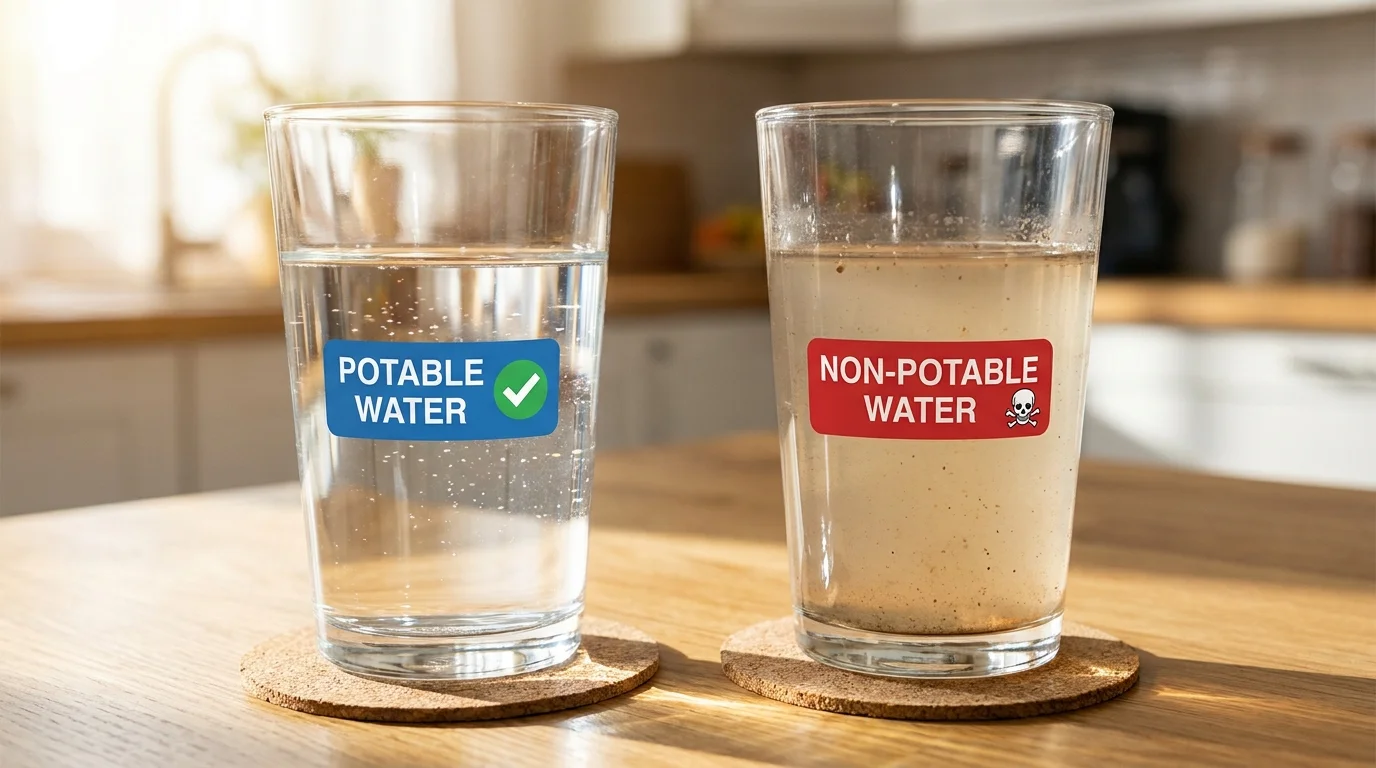
What Is Potable Water and Where Does the Word Come From
Potable water is water that meets the health based standards set by a recognized authority and is therefore safe for drinking, cooking, and direct human contact without risk of illness.
In the United States, that standard is enforced by the Environmental Protection Agency, which regulates more than 90 contaminants under the Safe Drinking Water Act before water can be legally classified as potable, according to the EPA’s Safe Drinking Water Act overview. These regulations cover bacteria, viruses, heavy metals such as lead and mercury, nitrates, pesticides, and radiological contaminants, and water must pass all of them simultaneously to qualify.
Internationally, the World Health Organization publishes the Guidelines for Drinking Water Quality, which most countries without the infrastructure to test for all 90-plus EPA parameters use as their baseline standard instead.
The word itself comes from the Latin potare, meaning to drink. It entered English through Middle French by the late 1400s and has been standard terminology in water regulation and public health literature for centuries. It is pronounced POH tuh bul, not poh TAY bul, a mispronunciation common enough to trip up even careful speakers.
Potability is also not permanent once water leaves a treatment plant. The Flint, Michigan water crisis, which began in 2014, is the clearest example. When the city switched its water source to the Flint River, regulators failed to apply the corrosion control treatment needed to keep the water from reacting with the aging lead pipes in the distribution system. The more corrosive water leached lead directly into the supply on its way to people’s taps, meaning water that could have passed every regulatory standard on paper still became unsafe to drink by the time it reached homes.
What Is the Difference Between Potable and Non Potable Water
The difference between potable and non potable water comes down to one thing: whether the water meets a verified safety standard for human consumption. Potable water has been tested and treated to fall below the legal contaminant limits set by a health authority. Non potable water has not, no matter how clean it looks.
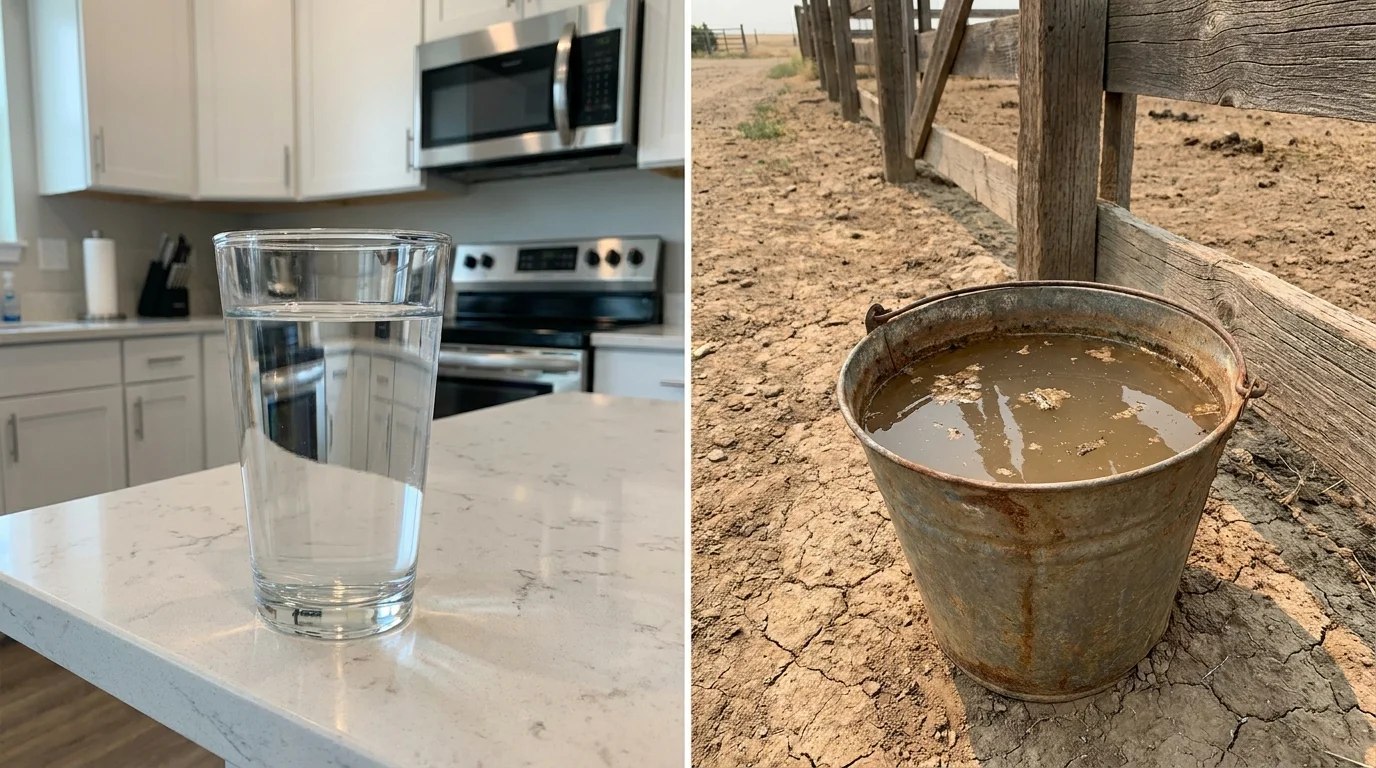
This is not a visual test. Water can look completely clear and still be non potable. Water can also have a slight color or mineral taste and still be safe to drink. The classification depends on what is dissolved or suspended in the water at a microscopic level, not on what it looks like in a glass.
In the United States, the EPA sets two types of standards. Primary standards set a Maximum Contaminant Level, the highest concentration of a substance legally allowed in water before it is classified as unsafe, according to the EPA’s National Primary Drinking Water Regulations. These limits are enforceable by law and cover contaminants linked to health risks such as cancer, kidney damage, and developmental harm in children. Secondary standards are separate and non enforceable. They govern taste, smell, and color, not safety. Water can fail a secondary standard and taste unpleasant while still being safe to drink. It can also pass every secondary standard and look perfectly clear while still being unsafe.
Non potable water typically fails the primary standards. Common contaminants include bacteria such as E. coli, Salmonella, and Vibrio cholerae, viruses such as norovirus and hepatitis A, parasites such as Cryptosporidium and Giardia, and chemicals such as lead, mercury, nitrates, and pesticides. Each carries cumulative health effects when ingested over time, ranging from acute gastrointestinal illness to long term organ damage.
In short, potability is not a single number or a yes or no test. It is a water sample passing dozens of separate contaminant checks at once, each with its own legally defined threshold.
–
What Does Potable Water Mean and How Is Potability Defined
Potability is determined through a specific testing process built around indicator organisms rather than testing for every possible pathogen individually. Testing a water sample for every disease causing bacteria, virus, and parasite directly would be complex, expensive, and far too slow for routine use, so health authorities instead test for one organism that reliably signals whether dangerous contamination is present at all.
That organism is Escherichia coli, commonly known as E. coli. The World Health Organization’s Guidelines for Drinking Water Quality recommend E. coli as the preferred indicator organism for fecal contamination testing, with a clear threshold: zero E. coli bacteria in a 100 milliliter water sample. E. coli works as an indicator because it lives in the intestinal tracts of humans and warm blooded animals in extremely high numbers, and its presence in a water sample is a reliable sign that fecal material, and therefore potentially far more dangerous pathogens such as Salmonella, Shigella, and intestinal parasites, has entered the water supply.
This single number, present or absent in a 100 milliliter sample, is what makes a potability test pass or fail at the microbiological level. It is a binary outcome by design. There is no acceptable trace amount, because for fecal pathogens the World Health Organization sets the safe threshold at zero, meaning no detectable level is considered low enough to pose no risk.
Potability testing does not stop at one organism. A full assessment combines this E. coli check with the Total Dissolved Solids measurement covered earlier, chemical contaminant testing against the EPA’s Maximum Contaminant Levels described in the previous section, and turbidity testing, which measures water clarity as a secondary indicator of treatment effectiveness. Water only qualifies as potable when it passes all of these checks at once, not just the ones that are easiest or cheapest to run.
This is also why potability is treated as a snapshot rather than a permanent label. A water source can test as potable today and fail tomorrow if a new contamination source enters the system, which is why public water systems are required to conduct ongoing, routine testing rather than a single certification that lasts indefinitely.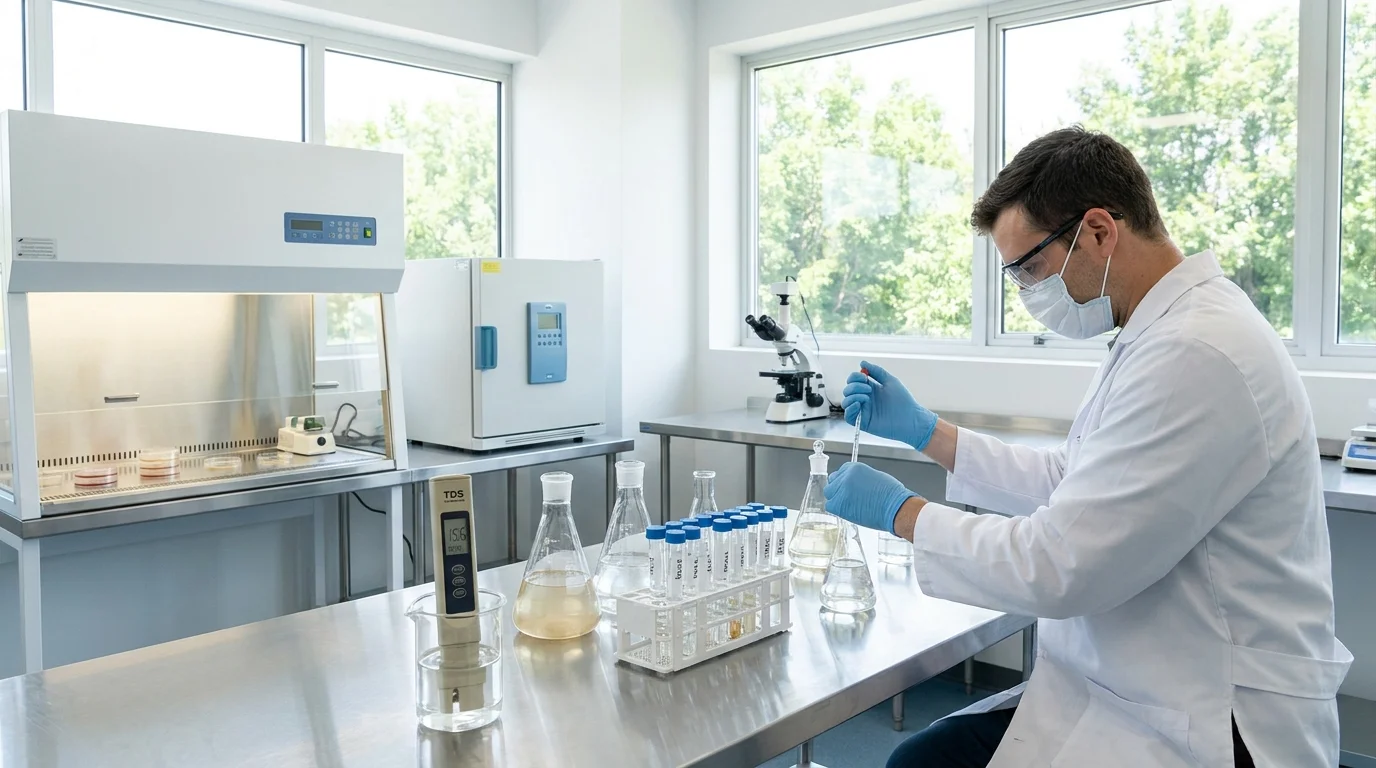
What Is Potable Water Used For
Potable water serves far more purposes than drinking. It is the only category of water legally and safely usable for any activity that brings water into direct or incidental contact with the human body or with food.
At the household level, the average American family uses more than 300 gallons of potable water per day, according to EPA WaterSense data. Of that total, 70 percent goes to indoor uses. Toilet flushing accounts for nearly 30 percent of indoor water use, the largest single share, followed by showers, faucet use for handwashing, teeth brushing, and food preparation, and then washing machines and dishwashers. The remaining 30 percent goes to outdoor uses such as lawn irrigation and garden watering, a figure that can climb to 60 percent in arid regions of the American Southwest.
Beyond the home, potable water is a direct industrial input across a much wider range of sectors than most people associate with drinking water standards. Semiconductor manufacturing is one of the most water intensive examples: an average chip fabrication facility can use up to 10 million gallons of ultrapure water per day, more than is used by 33,000 U.S. households, according to the EPA. The food and beverage processing sector uses potable water throughout production, from washing raw ingredients to the water incorporated directly into the final product. Hospitals and healthcare facilities require potable water for patient care, surgical sterilization, and pharmaceutical compounding. Restaurants, schools, and commercial kitchens are legally required to use potable water for all food contact surfaces and cooking.
This is precisely why potable water demand consistently outpaces what most people mentally assign to it. Globally, the World Bank reports that around 70 percent of all freshwater withdrawals go to agriculture, with the remainder split between industry and household use. Within that agricultural share, irrigation water for food crops is required to meet potability standards in many countries when crops are consumed raw, meaning the potable water demand embedded in the food supply is far larger than what comes directly out of a tap.
By 2050, demand for water across all these applications is projected to rise by 20 to 30 percent above current levels, according to research published in npj Clean Water, driven by population growth, expanding food production requirements, and increasing industrial output in developing economies. That pressure falls almost entirely on the 0.5 percent of global water that is currently available as usable freshwater.
What Is Non Potable Water Used For
Non potable water is suitable for any application where water does not enter the human body through drinking, eating, or direct mucous membrane contact. It covers a wider range of uses than most people realize, and in many regions it is actively encouraged as a way to reduce demand on treated potable supplies.
The largest single application globally is irrigation. Agriculture accounts for the majority of freshwater withdrawals worldwide, and a significant share of that is non potable water drawn directly from rivers, canals, and groundwater sources without treatment to drinking water standards. Within buildings, non potable water is used for toilet and urinal flushing, HVAC cooling tower makeup water, laundry in commercial facilities, pressure washing, dust control on construction sites, and fire suppression systems.
The EPA’s Onsite Non-Potable Water Reuse program formally recognizes greywater collected from sinks, showers, and laundry as a non potable source that can be treated onsite and reused for toilet flushing, irrigation, and cooling tower makeup water within the same building. The Domino Factory redevelopment in Brooklyn, New York, documented by the EPA, collects and treats wastewater from five buildings and reuses it for toilet flushing, cooling tower makeup, and irrigation, reducing the site’s demand on the city’s potable water supply.
One distinction worth understanding is that not all non potable water carries the same risk level. Greywater from handwashing or laundry carries far lower contamination than blackwater from toilets or industrial process wastewater. Regulations governing non potable reuse vary by state and application, with California, Colorado, and Virginia each operating different approval frameworks for what treated non potable water can legally be used for and at what quality threshold.
Expert Insight Note
Most people think about potable water only in terms of what comes out of their tap. The more significant and largely invisible dimension is virtual water, also called embedded water, the potable grade water consumed in producing every food item, garment, and manufactured product that people buy and use. Producing one kilogram of beef requires approximately 15,400 liters of water according to Water Footprint Network research. One kilogram of cotton requires 10,000 liters. One cup of coffee requires 140 liters. None of this water appears in household water bills or municipal usage statistics, but all of it draws from the same finite global freshwater reserves. The Middle East and North Africa region imports over 50 million tons of wheat annually, which if produced locally would demand approximately 50 billion cubic meters of water, equivalent to the annual flow of the Nile into Egypt, according to the International Water Management Institute. What this means in environmental science terms is that the global potable water crisis is not only a question of infrastructure or treatment technology. It is embedded in every trade relationship, dietary choice, and consumption pattern that moves water intensive products from water scarce production regions to wealthier consuming nations. The gap between water rich and water poor regions is not closing through trade. It is widening, as environmental pressure concentrates in already stressed source regions while the economic benefits of production flow elsewhere.
Can You Shower or Wash Hands with Non Potable Water
You can shower with most types of non potable water as long as it does not enter your eyes, nose, mouth, or ears. Washing hands with non potable water is also acceptable when potable water is unavailable, according to CDC guidelines. The risk comes primarily from accidental ingestion rather than skin contact alone.
Intact skin acts as a highly effective barrier against most microbial contamination. For healthy adults with no open wounds or skin conditions, showering in lightly contaminated non potable water carries low short term risk from skin contact alone. The danger rises significantly when water enters the body through mucous membranes, meaning the eyes, nose, mouth, and ears, which is why the primary guidance from health authorities focuses on preventing accidental ingestion rather than skin contact itself.
The CDC’s drinking water advisory guidelines distinguish between three types of advisories, and showering rules differ across all three. Under a standard boil water advisory, showering is permitted for adults but the CDC advises caution with infants and young children, recommending sponge baths to reduce the risk of accidental swallowing. Under a do not use advisory, which the CDC describes as rare, showering is not permitted because officials consider any contact with the water, including on skin, in lungs, or in eyes, potentially dangerous when germs, chemicals, toxins, or radioactive materials are involved.
For handwashing specifically, CDC guidance indicates that washing with non potable water when potable water is unavailable may still improve health outcomes, because the mechanical action of washing removes pathogens from the skin surface regardless of whether the water itself is fully treated. This is why global health programs in low income settings prioritize access to any running water for handwashing over no handwashing at all, even when that water does not meet potable standards.
Hot showers change the risk profile in a different way. A peer reviewed study of Flint, Michigan residents found that nearly half of adults surveyed reported skin rashes following the city’s water crisis, with hair loss reported by roughly four in ten. Separately, water safety researchers have documented that certain chemical contaminants, particularly volatile organic compounds, can vaporize in hot water and be inhaled during showering, a different exposure pathway than simple skin contact. This means chemical contamination in non potable water can pose risks through breathing, not just through touching or swallowing.
Open wounds create a separate concern entirely. CDC guidance on personal hygiene during water emergencies states that open wounds and rashes exposed to contaminated water can become infected by naturally occurring bacteria such as Vibrio, which are capable of causing serious skin infections even in coastal or brackish non potable water sources.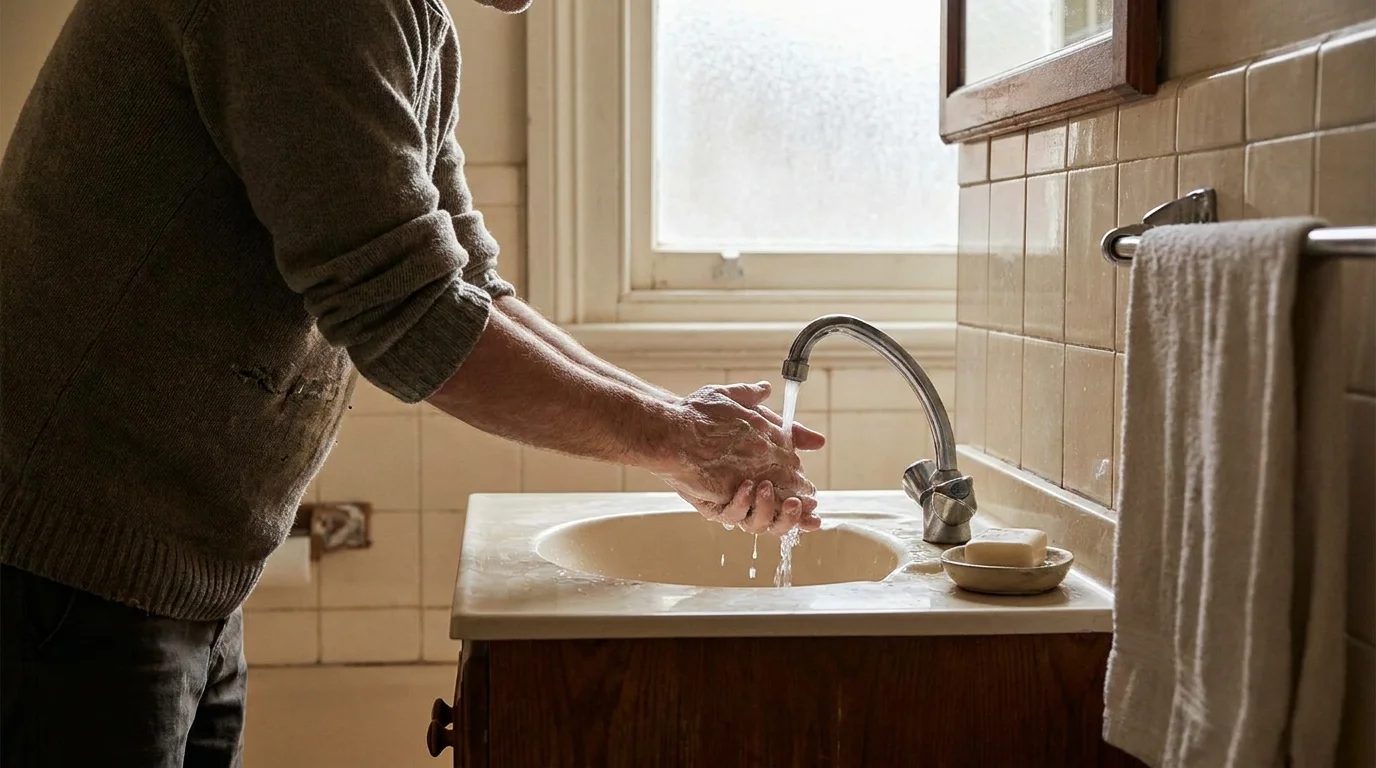
What Happens If You Drink Non Potable Water
Drinking non potable water causes illness ranging from acute gastrointestinal symptoms to long term organ damage and death, depending entirely on what contaminants the water contains.
The WHO identifies contaminated water as a direct transmission route for cholera, diarrhea, dysentery, hepatitis A, typhoid, and polio. Diarrhea alone caused by contaminated water kills more than 500,000 people annually according to WHO data, and approximately 2.1 billion people still lacked access to safely managed drinking water services in 2024, primarily in low income countries with pronounced urban and rural disparities, according to the WHO/UNICEF Joint Monitoring Programme 2025 report.
The health outcome depends on which category of contaminant the water carries. Microbial contamination from bacteria such as E. coli, Salmonella, and Vibrio cholerae causes acute diarrheal disease, sometimes severe enough to be fatal through dehydration without medical treatment. Viruses including norovirus, hepatitis A, and rotavirus spread through contaminated water into food supplies and cause gastrointestinal illness with a wider community reach than bacterial contamination alone. Parasites such as Cryptosporidium and Giardia cause prolonged diarrhea that can last weeks and are resistant to standard chlorination at typical treatment doses, according to CDC drinking water guidance.
Chemical contamination follows a different timeline. Lead, mercury, nitrates, and pesticides in non potable water do not cause immediate symptoms in most cases. They accumulate in body tissue over repeated exposure, causing kidney and liver damage, reproductive harm, developmental disorders in children, and increased cancer risk over years or decades. The CDC notes specifically that lead in drinking water harms children’s brain development and increases miscarriage risk in pregnant women, with no safe level of lead exposure established for children.
The most vulnerable groups, according to the CDC, are infants and young children, pregnant women, the elderly, and immunocompromised individuals, all of whom face significantly higher risk from the same contaminant levels that produce milder effects in healthy adults.
Why Is Potable Water Important
Potable water is the single resource that connects human health, food production, economic stability, and ecosystem survival. Without it, every other system begins to fail.
The scale of the current gap makes the importance concrete. Despite decades of investment in water infrastructure, 2.1 billion people still lacked safely managed drinking water services in 2024, according to the WHO/UNICEF Joint Monitoring Programme 2025 report. The global urban population facing water scarcity is projected to double from 930 million in 2016 to between 1.7 and 2.4 billion people by 2050, according to the UN World Water Development Report. More than 1,000 children under five die every day from diseases linked to unsafe water, sanitation, and hygiene, according to UNICEF.
The health consequences are direct and measurable. The WHO identifies contaminated water as a transmission route for cholera, typhoid, hepatitis A, polio, and dysentery, diseases that have been sharply reduced in countries with reliable potable water systems, alongside sanitation infrastructure and vaccination programs, but that continue to cause mass illness and death where those systems are absent. When water scarcity forces communities to use non potable sources, sanitation systems fail at the same time, which is precisely when disease transmission accelerates.
Food security depends on potable water in ways that extend well beyond drinking. Crop irrigation using contaminated water introduces pathogens and chemical residues directly into the food supply. The WWF Living Planet Report 2024 found that freshwater species have declined by 85 percent since 1970, the steepest drop of any ecosystem, driven largely by water overuse and pollution. As freshwater ecosystems collapse, so do the fisheries and agricultural systems that depend on them.
The economic dimension is equally significant. Global demand for freshwater has been rising by roughly one percent per year since the 1980s, driven by population growth, urbanization, and expanding agricultural output. By 2030, demand for water is projected to exceed supply by 40 percent, an estimate first put forward by the 2030 Water Resources Group and since widely cited in UN water reporting. Current drought costs already exceed 307 billion dollars annually according to the UN University Institute for Water, Environment and Health. These are not distant projections. They are the trajectory of a system already under pressure, where potable water is the single variable that either holds the system together or accelerates its breakdown.
How Much of the Earths Water Is Actually Potable
Less than half a teaspoon out of every 26 gallons of water on Earth is available for human use. That is the U.S. Bureau of Reclamation’s illustration of the actual proportion. If the world’s entire water supply were reduced to 100 liters, the usable freshwater accessible to humans would be just 0.003 of a liter.
The breakdown behind that figure explains why potable water is treated as a crisis resource rather than an abundant one. According to the USGS Water Science School, approximately 96.5 percent of all water on Earth is held in the oceans as saltwater, unusable for drinking or agriculture without energy intensive desalination. Of the remaining 2.5 percent classified as freshwater, 68.7 percent is locked in glaciers, ice caps, and permanent snow cover. Another 30 percent exists as groundwater stored in underground aquifers, much of which lies too deep to extract affordably. This leaves approximately 0.3 percent of all freshwater as surface water in rivers, lakes, and reservoirs, which according to USGS data represents roughly one-hundredth of one percent of the planet’s total water volume.
That surface water fraction is not all potable either. Pollution, agricultural runoff, industrial discharge, and inadequate treatment infrastructure contaminate a significant share of accessible surface water before it can be classified as safe to drink. One third of the world’s freshwater fish species are currently threatened with extinction according to WWF data, which reflects how degraded the remaining accessible freshwater systems have become.
What makes this arithmetic genuinely alarming is the trajectory rather than the current snapshot. Global freshwater demand has increased sixfold since 1930 and continues rising by approximately one percent per year according to the 2024 UN World Water Development Report. Climate change is accelerating glacier retreat, which eliminates a slow release freshwater source that hundreds of millions of people depend on seasonally. The UN projects that by 2050, three out of four people worldwide could face drought impacts, and current drought costs already exceed 307 billion dollars annually according to the UN University Institute for Water, Environment and Health.
The potable water fraction has not grown. The demand has.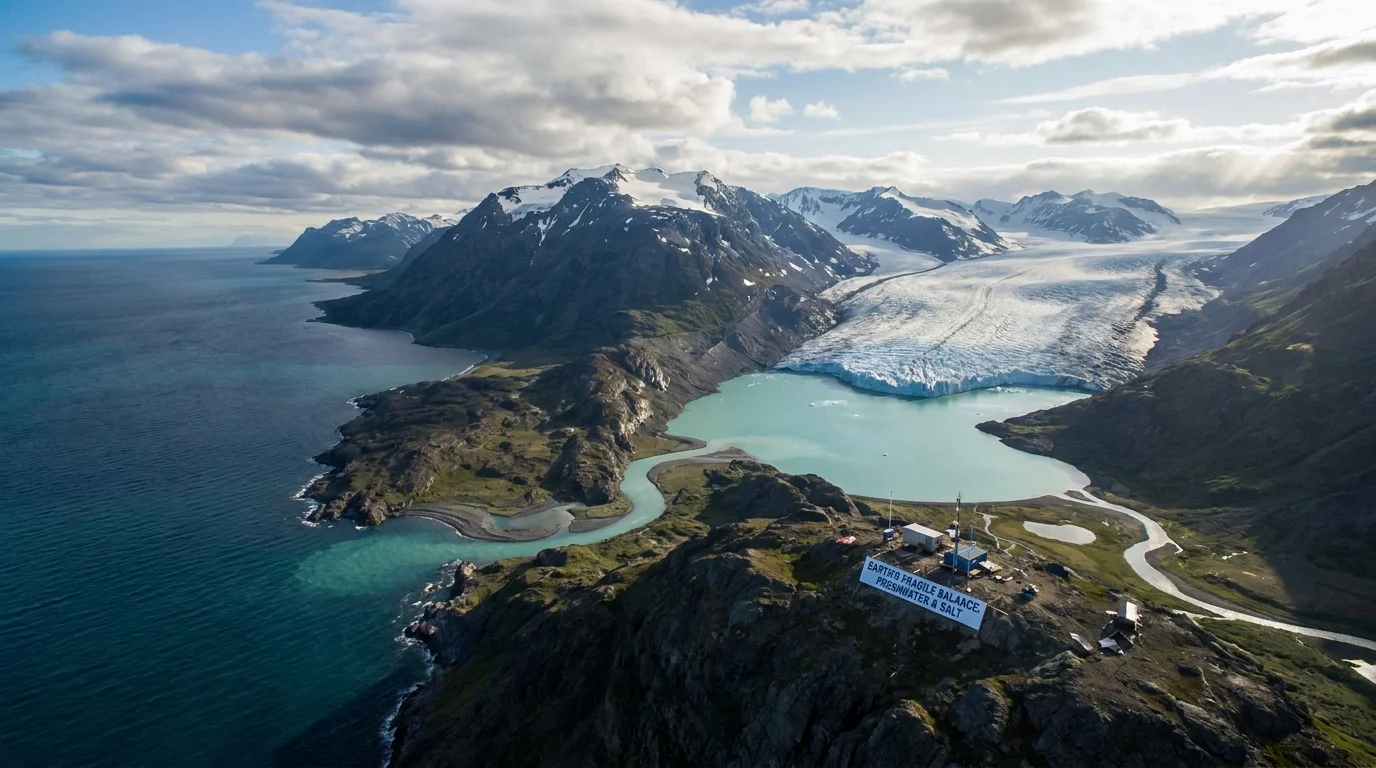
How Is Potable Water Made
Potable water is produced by running raw source water through a sequence of physical and chemical treatment steps that progressively remove particles, pathogens, and dissolved contaminants until the water meets regulatory safety thresholds.
According to CDC water treatment guidance, most municipal treatment plants use five core steps in sequence. Coagulation comes first. Chemicals such as aluminum sulfate are added to raw water, causing fine suspended particles and dissolved organic matter to bind together into larger clumps called floc. Flocculation follows, where the water is slowly stirred so the floc particles collide and grow larger and heavier. Sedimentation then allows the dense floc to settle to the bottom of large clarification tanks under gravity, separating it from the clearer water above.
Filtration comes next. The water passes through multiple layers of sand, gravel, and often granular activated carbon, which traps fine particles that survived sedimentation and removes soluble organic compounds that cause taste and odor problems. Granular activated carbon is particularly effective at removing pesticides, pharmaceutical residues, and disinfection byproduct precursors that earlier steps cannot address.
Disinfection is the final and most critical step. Chlorine has been used as a drinking water disinfectant in the United States since 1908, when Jersey City, New Jersey became the first city to adopt routine chlorination, according to the CDC’s history of drinking water treatment. That shift contributed to a dramatic decline in waterborne cholera and typhoid across the country over the following decades. Modern plants also use UV light and ozone as primary disinfectants, followed by a secondary chlorine or chloramine dose to maintain residual protection as water travels through distribution pipes to reach taps.
The treatment process varies by source water quality. Groundwater from protected aquifers often requires only disinfection. Surface water from rivers and reservoirs, which carries significantly higher pathogen and sediment loads, requires the full coagulation through disinfection sequence. Some sources with specific chemical contamination require additional steps including ion exchange, advanced oxidation, or reverse osmosis before the water can meet potable standards.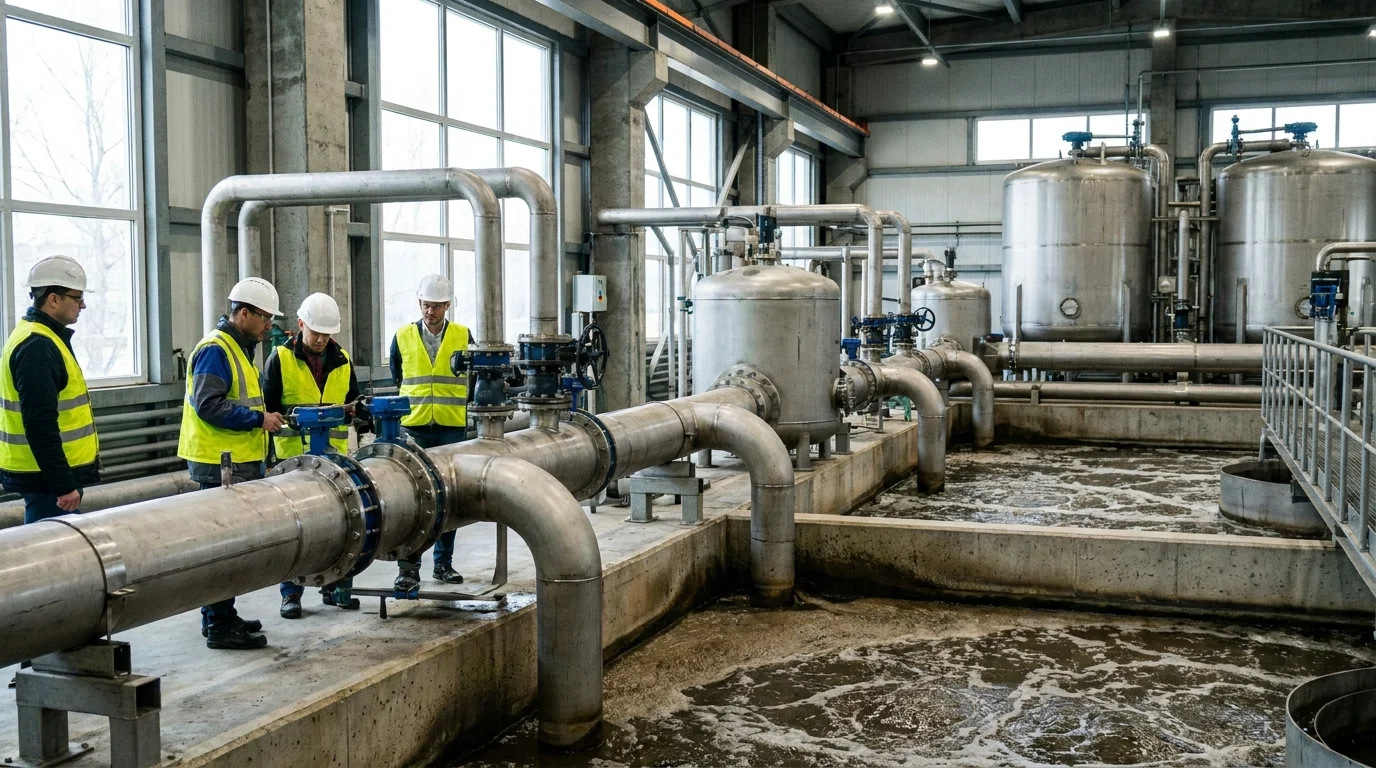
Is Rainwater Potable
Rainwater is not potable without treatment. Although it begins as distilled water vapor rising from the earth’s surface, it absorbs contaminants from the atmosphere during its descent and picks up additional contamination from any surface it contacts during collection, making untreated rainwater non potable by definition in virtually all locations globally.
The contamination starts in the air. Rainwater naturally absorbs carbon dioxide during its fall, giving it a slightly acidic pH of around 5.0 to 5.6. In urban and industrial areas, it also absorbs sulfur dioxide and nitrogen oxides from fossil fuel combustion, forming sulfuric and nitric acid, the chemistry behind acid rain. Beyond acidity, a 2024 review published in the journal Water Research found that per and polyfluoroalkyl substances, commonly called PFAS or forever chemicals, are now measurable in rainwater across North America at average concentrations ranging from about 2 to 92 nanograms per liter depending on location, with samples near industrial sources frequently exceeding EPA recommended limits.
The PFAS finding is particularly significant because these compounds do not degrade naturally. In a 2022 study published in Environmental Science & Technology, researchers at Stockholm University compiled over a decade of global rainwater data, finding PFAS in samples from locations across the planet, including Antarctica. Lead author Professor Ian Cousins concluded that, based on current EPA guidelines for PFOA in drinking water, rainwater everywhere on Earth would now be judged unsafe to drink without treatment.
CDC guidance on rainwater collection confirms that rainwater is not necessarily safe to drink without first removing germs and chemicals, and recommends regular testing for both pathogens and chemical contaminants in any rainwater collection system used for drinking, cooking, or bathing.
The collection system itself adds another contamination layer. Research has found that zinc roofing commonly used in rainwater harvesting systems can leach lead into collected water, with lead content related to the composition of the roof’s zinc coating. Gutters, storage tanks, and first flush diverters that are poorly maintained accumulate bird droppings, insect debris, and microbial growth that further contaminate the collected water before it reaches any treatment stage.
Treated rainwater can be made potable. Communities in rural Australia have used rainwater as their primary drinking water source for generations using first flush diverters, multi stage filtration, and disinfection, with rare illness reports when systems are properly maintained and regularly tested. The key variable is not whether rainwater can be made safe, but whether the treatment system applied is matched to the specific contaminant profile of the local environment.