
What Are Sustainable Use Practices?
Sustainable use practices refer to ways of utilizing natural resources so they meet present needs without compromising the ability of future generations to meet theirs. It is not about avoiding resource use altogether, but about managing it wisely, ensuring that ecosystems remain healthy, biodiversity is protected, and natural capital is preserved. These practices are guided by principles of efficiency, regeneration, and long term stewardship, recognizing that every resource, whether renewable or finite, has limits that must be respected.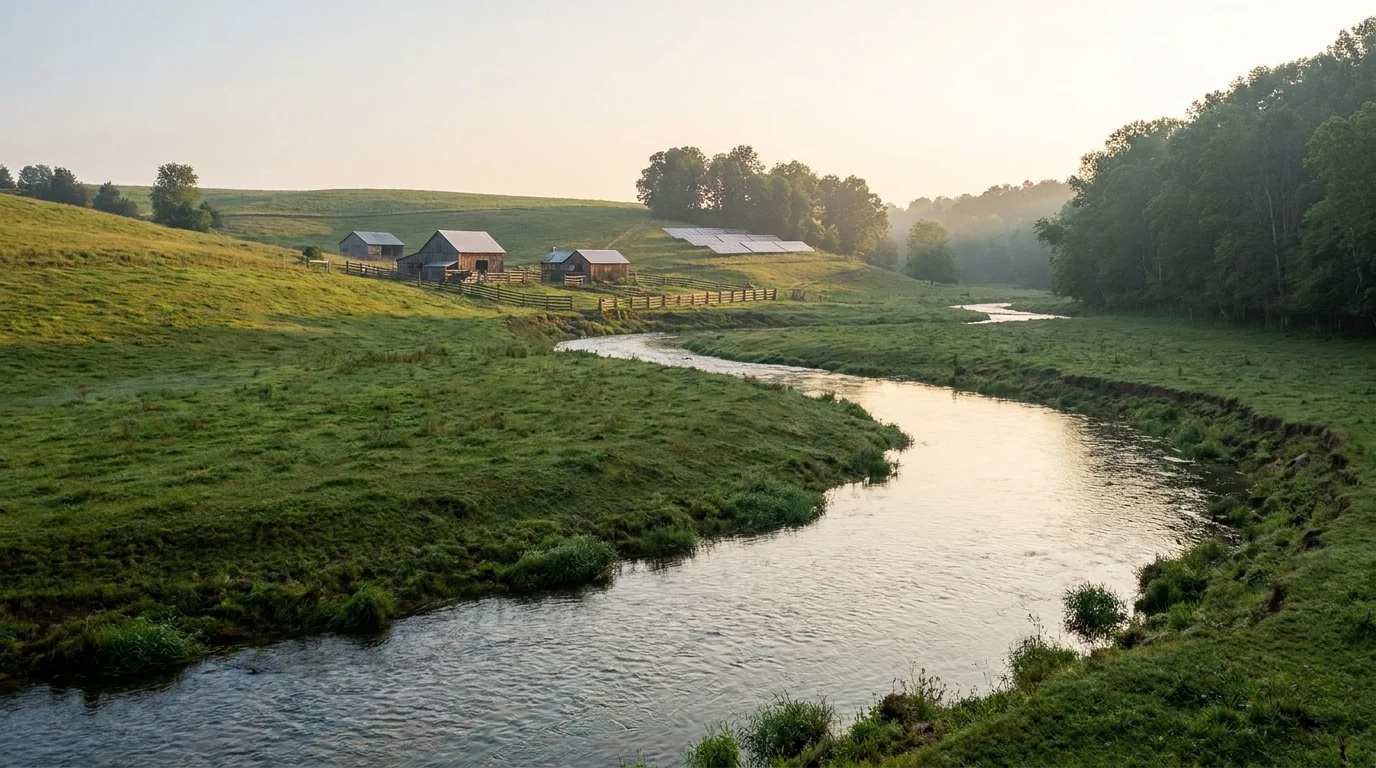
Importance of Sustainable Use for Environmental and Economic Balance
The health of our environment and the stability of our economies are deeply connected. Unsustainable exploitation such as overfishing, deforestation, or excessive groundwater withdrawal may generate short term gains, but it leads to long term losses in ecosystem services, food security, and economic resilience. Sustainable use practices, on the other hand, allow societies to benefit from nature’s resources while maintaining the ecological processes that support them. From sustainable forestry that secures timber and protects watersheds, to renewable energy systems that meet power demands without degrading the atmosphere, these approaches balance human prosperity with environmental responsibility. In doing so, they safeguard livelihoods, promote resilience to climate change, and create pathways toward a truly regenerative economy.
Key Principles of Sustainable Use
Responsible Management of Natural Resources
At the heart of sustainable use lies the careful and informed management of natural resources. This means harvesting, extracting, or using them at rates that ecosystems can replenish naturally. For instance, fisheries that set catch limits based on scientific data prevent the collapse of fish populations, while forestry operations that follow selective logging methods protect biodiversity and soil integrity. Responsible management also involves reducing waste, improving efficiency, and using technology to minimize environmental footprints.
Balancing Human Needs with Ecosystem Health
Sustainable use is not about halting human progress, it is about aligning it with the planet’s capacity to support life. Every economic activity, from farming to manufacturing, has an ecological cost. Balancing these needs requires decision making that values both human well being and ecological stability. For example, sustainable agriculture integrates practices like crop rotation, integrated pest management, and organic soil enhancement to produce enough food while preserving biodiversity, water quality, and soil health.
Ensuring Resource Regeneration for Future Generations
True sustainability demands that the resources we depend on today remain available and thriving for tomorrow’s populations. This principle recognizes the concept of intergenerational equity, the moral responsibility to pass down a planet as healthy, or healthier, than the one we inherited. Ensuring regeneration may involve replanting trees after timber harvests, protecting breeding grounds for wildlife, or replenishing aquifers through rainwater harvesting. It is a forward looking approach that transforms consumption into a cycle of renewal rather than depletion.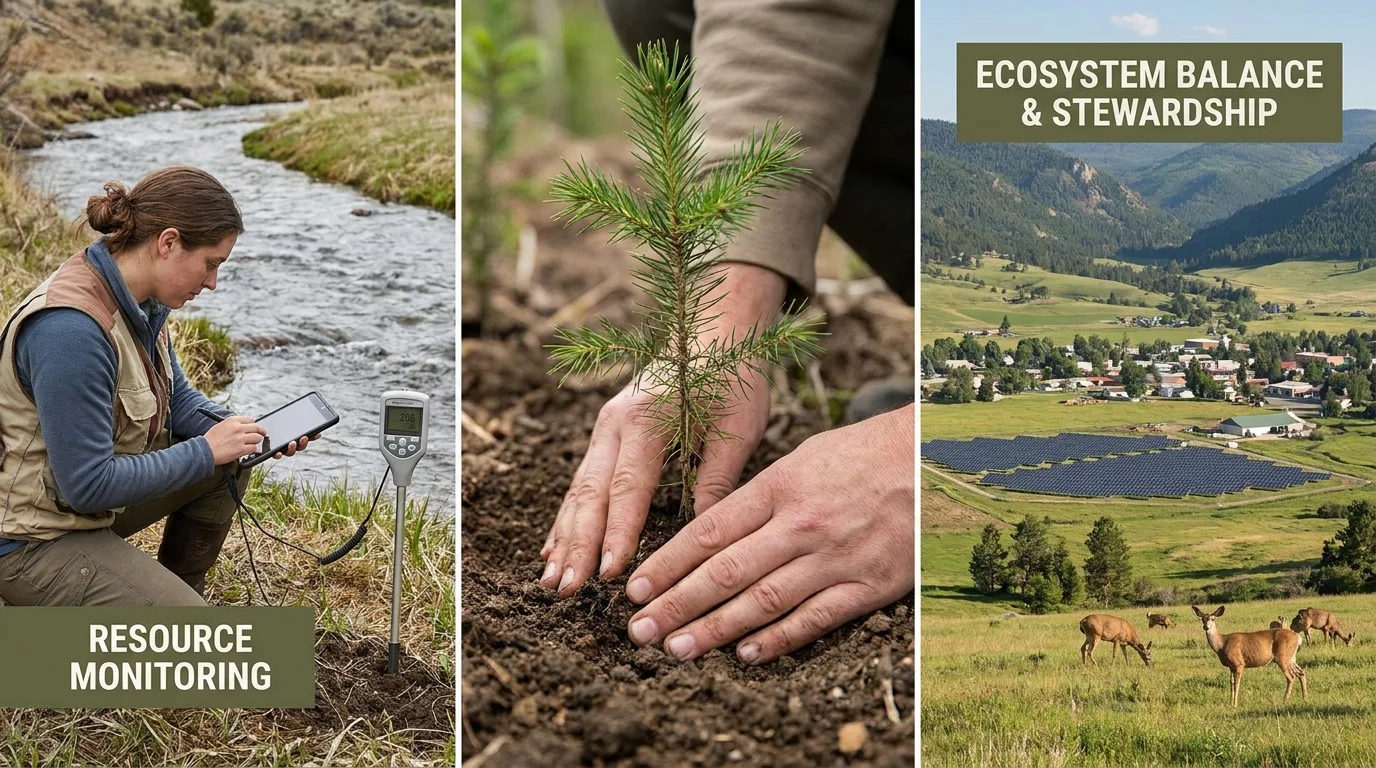
Examples of Sustainable Use Practices
Renewable Energy Adoption: Solar, Wind, Geothermal, and Bioenergy
Shifting from fossil fuels to renewable energy sources is one of the most impactful ways to practice sustainable use. Solar panels, wind turbines, geothermal systems, and bioenergy harness naturally replenishing resources without depleting them for future generations. Countries like Denmark and Costa Rica have demonstrated how large scale renewable adoption can power economies while dramatically cutting carbon emissions, making energy use both cleaner and more secure.
Sustainable Agriculture Techniques: Crop Rotation, Precision Farming, Organic Practices
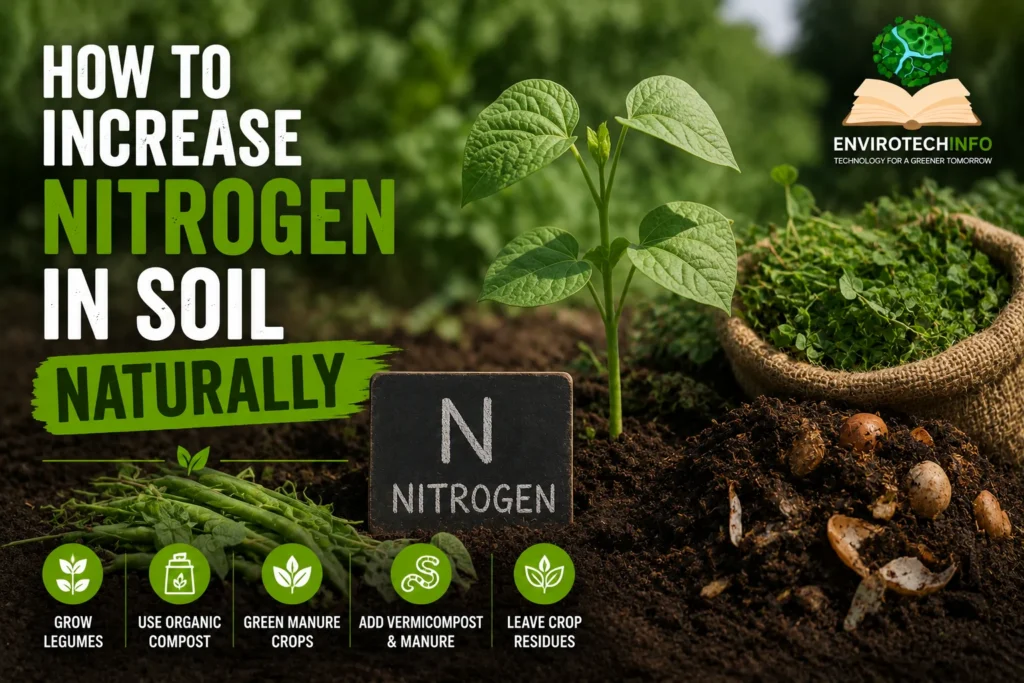
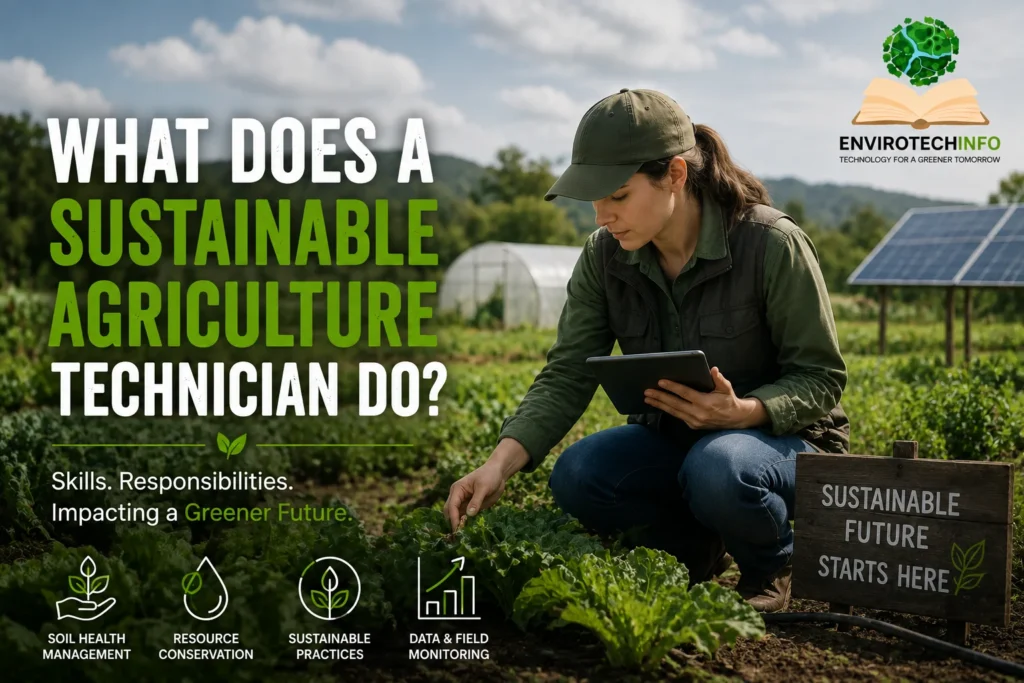
Agriculture, when managed sustainably, can feed growing populations while protecting ecosystems. Crop rotation prevents soil nutrient depletion and reduces pest outbreaks naturally. Precision farming uses data driven technology like GPS mapping and soil sensors to apply exactly the right amount of water, fertilizer, and pesticides, minimizing waste and environmental harm. Organic farming avoids synthetic chemicals altogether, fostering healthier soils and biodiversity while meeting consumer demand for natural produce.
Water Conservation and Efficient Usage
Freshwater is a finite resource, and its careful use is central to sustainability. Practices such as drip irrigation, rainwater harvesting, wastewater recycling, and drought resistant crop varieties ensure that water is used efficiently without compromising supply for ecosystems or future human needs. In regions like Israel and parts of Australia, advanced water management has transformed arid landscapes into productive farmland while conserving scarce supplies.
Sustainable Forestry and Fishing Practices
Forests and oceans are vital for global ecological balance, yet they are highly vulnerable to overexploitation. Sustainable forestry methods such as selective logging, reforestation, and certification programs like FSC (Forest Stewardship Council) maintain forest health while supporting timber based economies. In fisheries, science based quotas, seasonal bans, and gear modifications help preserve fish populations and protect marine habitats, ensuring long term viability for both nature and fishing communities.
Waste Reduction, Recycling, and Circular Economy Initiatives
Reducing waste begins with designing products and systems that minimize resource loss. Recycling transforms used materials into new products, cutting down the demand for virgin resources. The circular economy takes this further by rethinking how goods are made, used, and reused, ensuring that materials remain in circulation instead of becoming waste. From composting organic waste to creating modular products that can be easily repaired, these initiatives turn consumption into a regenerative cycle.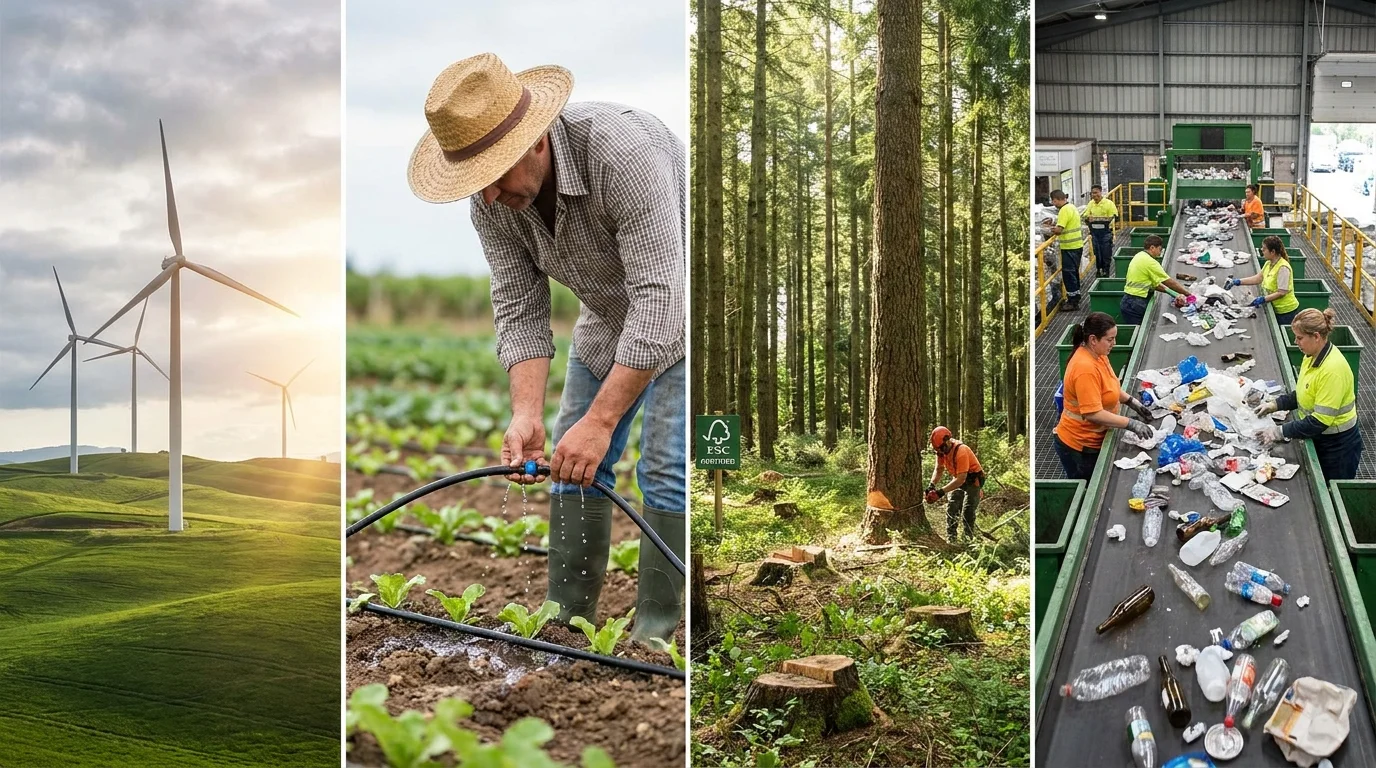
Environmental Benefits of Sustainable Use
Protecting Biodiversity and Ecosystems
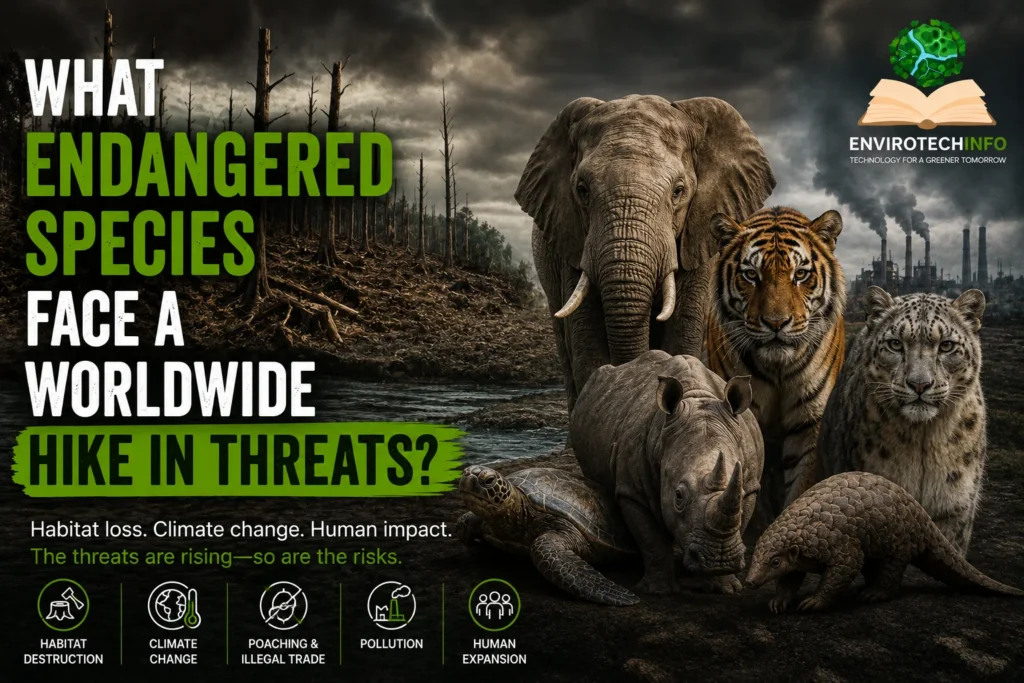
Sustainable use practices safeguard the delicate web of life that supports all species, including humans. By managing forests, wetlands, oceans, and other natural systems responsibly, these practices maintain habitats for countless plants and animals. For example, sustainable forestry prevents deforestation driven species loss, while responsible fishing helps maintain balanced marine food chains. Protecting biodiversity also strengthens ecosystems, making them more capable of providing vital services such as clean water, fertile soil, and pollination.
Reducing Pollution and Carbon Emissions
When resources are used efficiently and waste is minimized, harmful pollutants entering the air, water, and soil are greatly reduced. Renewable energy replaces fossil fuels, cutting greenhouse gas emissions and smog forming pollutants. Sustainable agriculture lowers the runoff of fertilizers and pesticides into waterways. Waste reduction and recycling prevent the dumping and burning of materials that release toxins and greenhouse gases. In essence, sustainable use acts as both a pollution filter and a climate stabilizer.
Enhancing Resilience Against Climate Change Impacts
Climate change brings extreme weather, rising sea levels, and shifting ecosystems, but sustainable use practices can help societies adapt and thrive. Healthy forests act as carbon sinks and natural flood barriers. Well managed agricultural systems are better able to withstand droughts or floods. Preserved wetlands absorb storm surges, protecting coastal communities. By keeping natural systems strong and regenerative, sustainable use provides a living shield against climate disruptions while ensuring resources remain available in the long term.
Economic and Social Advantages
Supporting Long-Term Livelihoods and Community Well-Being
Sustainable use ensures that resources are not exhausted for short term gain but remain available for future generations. For rural communities dependent on farming, fishing, or forestry, this means stable incomes year after year rather than sudden collapse when resources run dry. By protecting ecosystems, sustainable use also safeguards the services communities rely on, like clean water, fertile soils, and healthy fisheries, directly linking environmental stewardship to human well being.
Creating Green Jobs and Encouraging Innovation
The transition to sustainable practices is fueling a wave of new economic opportunities. Renewable energy sectors such as solar, wind, and bioenergy are creating millions of jobs worldwide, while sustainable farming and eco friendly manufacturing are spurring technological breakthroughs. Companies embracing waste reduction, recycling, and circular economy principles are finding profitable ways to repurpose materials and cut costs, showing that environmental responsibility can drive economic competitiveness.
Promoting Social Equity and Fair Resource Access
Sustainable use is not just about conserving resources, it’s about ensuring everyone can benefit from them. By managing natural wealth responsibly, societies can avoid resource hoarding and exploitation that deepen inequality. Initiatives like community managed forests, fair trade agriculture, and equitable water sharing agreements empower marginalized groups, especially in resource dependent regions. This approach helps create fairer, more inclusive economies where benefits are distributed more evenly and no community is left behind.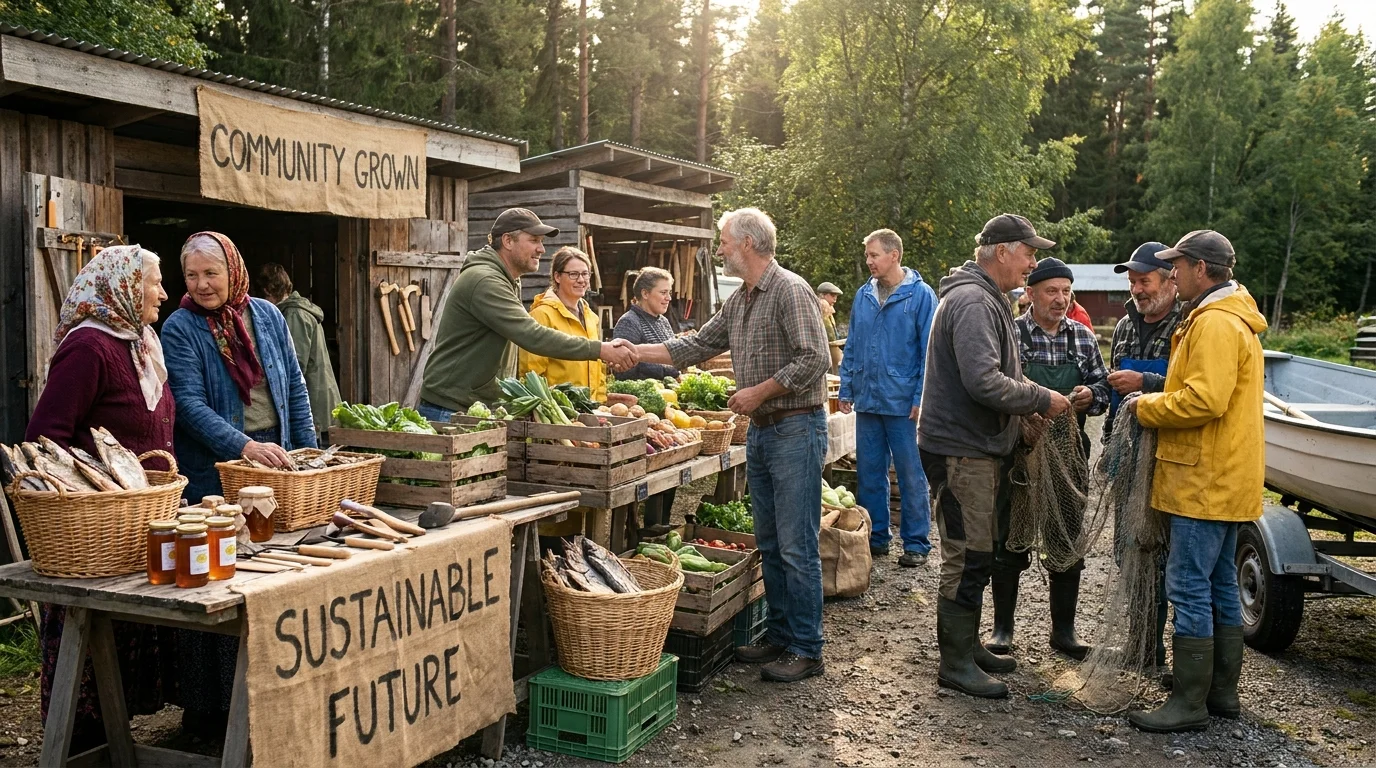
Challenges and Barriers to Sustainable Use
Overcoming Short-Term Economic Pressures
One of the biggest hurdles in achieving sustainable use is the tension between immediate economic gains and long term resource preservation. Industries and governments often prioritize short term profits, leading to overexploitation of forests, fisheries, and minerals. For example, clear cut logging may bring quick revenue but leaves behind degraded land that takes decades to recover. Shifting mindsets toward valuing long term stability over rapid extraction requires both cultural change and financial incentives, such as subsidies for sustainable practices and penalties for unsustainable exploitation.
Addressing Policy, Knowledge, and Implementation Gaps
Even where sustainable use policies exist, they are often undermined by weak enforcement, insufficient funding, or lack of technical know how. In many regions, communities and small businesses simply lack access to the training, technology, and data needed to implement sustainable methods effectively. Moreover, fragmented regulations and conflicting policies can create confusion and loopholes that undermine progress. Bridging these gaps demands stronger governance, better coordination between agencies, and investment in education and research so that sustainable use becomes both practical and profitable.
Strategies and Solutions to Promote Sustainable Use
Integrating Technology and Innovation
Advancements in technology can dramatically improve the efficiency and sustainability of resource use. Precision agriculture, for example, uses satellite imagery, sensors, and data analytics to optimize irrigation and fertilizer application, reducing waste while boosting yields. In the energy sector, smart grids and battery storage solutions make renewable energy more reliable and accessible. Similarly, blockchain can be used to track the supply chain of natural resources, ensuring transparency and ethical sourcing. By embracing such innovations, industries can meet human needs while minimizing environmental impact.
Policy Frameworks and Stakeholder Collaboration
Strong, well designed policies provide the backbone for sustainable use practices. Governments must implement clear regulations that promote conservation, incentivize green technologies, and penalize harmful exploitation. However, policy alone isn’t enough, success depends on collaboration among all stakeholders, including private companies, local communities, NGOs, and researchers. Multi stakeholder platforms can align goals, share resources, and coordinate actions, ensuring that efforts to use resources sustainably are both practical and scalable.
Education, Awareness, and Community Engagement
Lasting change begins with informed and empowered communities. Education campaigns, whether through schools, media, or grassroots initiatives, help people understand the value of sustainable practices and how their everyday choices affect the planet. Community engagement is especially important in regions that depend directly on natural resources for livelihoods. When people see tangible benefits, such as healthier ecosystems, improved income opportunities, and reduced disaster risks, they are more likely to adopt and champion sustainable use methods. This bottom up approach ensures that conservation efforts are locally relevant and widely supported.
Case Studies and Success Stories
Companies Leading in Sustainable Resource Use
Several forward thinking companies are proving that environmental responsibility and profitability can go hand in hand. Interface Inc., a global carpet manufacturer, achieved zero negative environmental impact across its products in 2019, a year ahead of its original target, and has pioneered a closed loop production system using recycled materials and renewable energy. The company is now working toward becoming a carbon negative enterprise by 2040. In the food industry, Unilever has been working for over a decade to source its agricultural raw materials sustainably, reaching 79% by 2024 and now targeting 95% by 2030, working directly with farmers to promote soil health, water conservation, and biodiversity. Similarly, Tesla has accelerated the adoption of electric vehicles and energy storage solutions, reducing reliance on fossil fuels and setting a precedent for clean technology industries. These companies demonstrate that integrating sustainability into core business strategies can enhance brand reputation, drive innovation, and open new markets.
Community Projects Demonstrating Effective Practices
On a grassroots level, many community led initiatives have shown how local action can yield global benefits. In Kenya, the Green Belt Movement, founded by Nobel laureate Wangari Maathai, has planted more than 51 million trees, restoring degraded lands while empowering women through environmental stewardship. In India, the Hiware Bazar village transformed itself from a drought stricken area into a water secure, prosperous community by adopting watershed management, rainwater harvesting, and sustainable agriculture practices. Similarly, in Norway’s Lofoten Islands, small scale fishers operate under nationally managed quota systems and seasonal spawning closures that help protect cod populations, ensuring a stable income while preserving marine biodiversity. These examples highlight that when communities take ownership of sustainable practices, they can achieve long term environmental health and socio economic resilience.
Future Outlook: Advancing Sustainable Use Globally
Emerging Trends and Innovations
The future of sustainable use is being shaped by rapid advancements in technology, evolving global policies, and a growing public demand for environmentally responsible solutions. Innovations such as precision agriculture, powered by drones and AI, allow farmers to use water, fertilizers, and pesticides more efficiently, reducing waste and environmental damage. Next generation renewable energy technologies, including floating solar farms and advanced offshore wind systems, are expanding clean power access in previously untapped areas. The rise of biodegradable materials and green chemistry is transforming manufacturing processes, cutting down on plastic pollution and toxic waste. Additionally, blockchain based traceability systems are enabling consumers to verify the ethical and sustainable origins of products, fostering greater transparency and trust in global supply chains.
Scaling Up Sustainable Practices for Global Impact
While many local and regional initiatives have proven successful, the next step is to replicate and scale these practices worldwide. This requires stronger international cooperation, investment in sustainable infrastructure, and the integration of sustainability into all levels of governance and business strategy. Global frameworks such as the UN Sustainable Development Goals (SDGs) offer a roadmap, but achieving them will depend on aligning national policies with grassroots action. Public-private partnerships can accelerate the adoption of sustainable technologies, while educational programs can cultivate a culture of stewardship from an early age. Ultimately, advancing sustainable use globally will hinge on collective commitment, where governments, businesses, communities, and individuals work in unison to create a world where economic progress and environmental preservation go hand in hand.
Conclusion: The Critical Role of Sustainable Use Practices
Ensuring a Balanced Relationship with Nature
Sustainable use practices are not just an environmental necessity, they are the foundation of a balanced and thriving planet. By managing resources responsibly, we safeguard biodiversity, preserve ecosystem services, and ensure that nature can continue to meet both present and future needs. This balanced relationship recognizes that human prosperity is inseparable from environmental health: fertile soils feed communities, clean water sustains life, and stable climates protect livelihoods. Without sustainable use, these essential systems face collapse, threatening not only wildlife but also the social and economic stability of human societies.
Taking Action for a Sustainable Future
The path forward demands more than awareness, it calls for decisive and coordinated action. Individuals can make impactful choices through mindful consumption, waste reduction, and support for eco friendly products. Businesses can embed sustainability into their core operations, innovating to minimize environmental footprints while creating long term value. Governments must strengthen policy frameworks, enforce environmental protections, and incentivize sustainable industries. The urgency is clear, the decisions we make today will define the health of our planet for generations to come. By embracing sustainable use practices now, we invest in a future where nature and humanity not only coexist but thrive together in harmony.