
If you have ever unboxed a new electronic device, opened a fresh carton of snacks, or received a packaged product in the mail, you have almost certainly encountered OPP film. That crisp, clear plastic wrapping that keeps products pristine and visible is a packaging powerhouse. But as businesses and consumers become more environmentally conscious, a critical question arises: what is the true carbon footprint of this ubiquitous material? This guide will break down the environmental impact of OPP film in cartons, from its raw materials to its end of life, and explore the path toward more sustainable packaging solutions.
What Exactly is OPP Film? And Why is it Used in Cartons?
OPP, or Oriented Polypropylene, is a type of plastic film known for its exceptional clarity, high tensile strength, and excellent moisture barrier. It is “oriented” during manufacturing, a process that stretches the film to align its molecules, making it stronger and more durable.
In carton packaging, OPP film serves several key roles. It is often used as a window to showcase the product inside, as an overwrap to provide a sealed, tamper evident layer, and as a laminated layer to enhance the carton’s durability and resistance to grease and water. Its popularity stems from its low cost and high performance, but this comes with an environmental cost we must account for.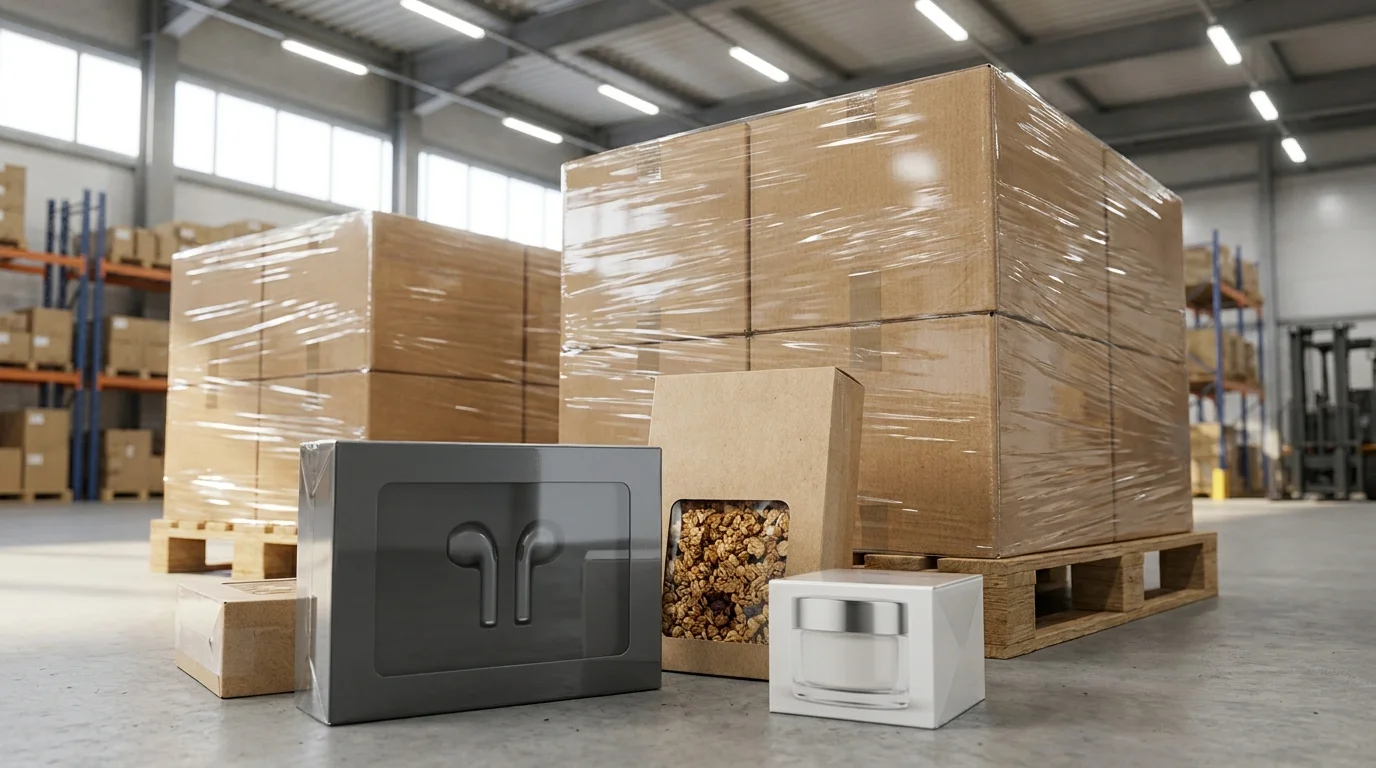
Defining “Carbon Footprint” in the Context of Packaging
When we talk about a product’s carbon footprint, we are referring to the total amount of greenhouse gases, including carbon dioxide and methane, that are emitted throughout its life cycle. These emissions trap heat in the atmosphere, contributing to climate change.
For packaging like OPP film, the carbon footprint is more than just the energy used at the factory. It is a comprehensive measure that includes extracting the raw materials, manufacturing the film, transporting it, and dealing with the waste after the consumer is done with it. Understanding this full picture is essential for making truly sustainable choices.
The Lifecycle of OPP Film: How Its Carbon Footprint is Created
To truly grasp the carbon footprint of OPP film, we must follow its journey from cradle to grave. Each stage adds a layer of emissions.
Stage 1: Raw Material Extraction and Feedstock
The story of OPP film begins with fossil fuels, typically natural gas or crude oil. The process of extracting and refining these hydrocarbons is energy intensive and releases significant greenhouse gases. The carbon contained in these fuels essentially becomes the building block of the plastic itself, which is released when the film is incinerated at end of life.
Stage 2: Manufacturing and Processing
This is often the most emission heavy stage. Turning propylene gas into a thin, strong film requires massive amounts of energy. The processes of polymerization, melting, and orienting the film typically rely on electricity and heat generated from burning fossil fuels. This direct energy consumption is a primary contributor to OPP’s carbon footprint.
Stage 3: Transportation and Logistics
After production, the OPP film must be transported from the manufacturing plant to the converter, then to the packaging facility that fills the cartons, and finally to distribution centers and retail stores. This global supply chain, often reliant on diesel powered trucks, ships, and planes, adds another layer of carbon emissions.
Stage 4: Usage and End of Life
While the use phase of OPP film has a minimal direct footprint, its end of life is a major challenge. If landfilled, OPP film can take centuries to break down, potentially releasing methane, a potent greenhouse gas, as it slowly degrades. If incinerated, it immediately releases the carbon stored in the fossil fuels back into the atmosphere as CO2. Recycling rates for flexible OPP films are notoriously low due to collection and sorting challenges, meaning most of it is not cycled back into new products.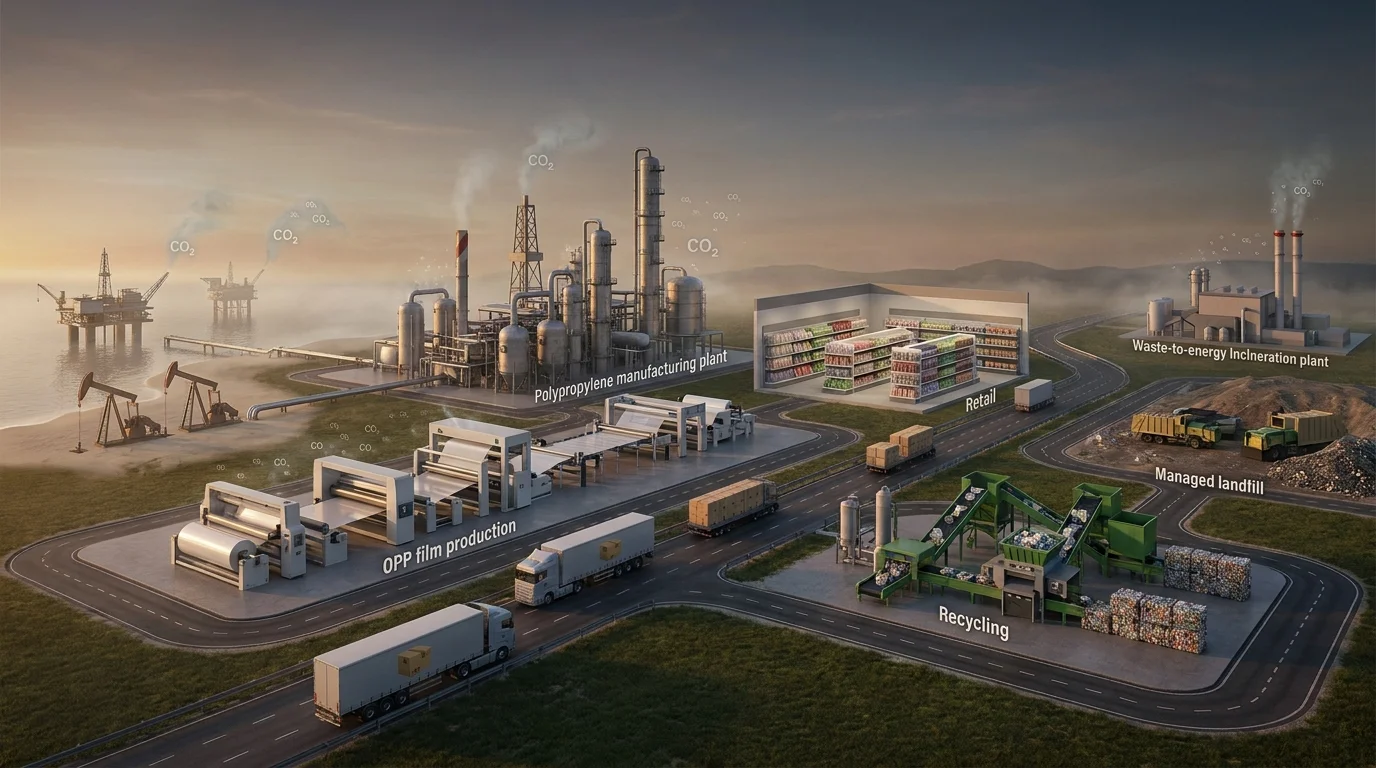
OPP Film vs. Alternative Packaging Materials: A Carbon Footprint Comparison
Is OPP film the worst choice? Not necessarily. Sustainability is about trade offs.
When compared to other plastics like PVC, OPP often has a lower footprint. However, when stacked against materials like recycled paper or cardstock, the picture changes. Paper can have a lower initial footprint, especially if it is recycled, but it may lack the protective barrier properties of OPP, leading to potential product waste, which has its own massive environmental cost.
Emerging materials like PLA bioplastics, made from corn or sugarcane, have a different profile. Their production often uses renewable resources, which can lower the fossil carbon footprint, but they require specific industrial composting facilities to break down, which are not widely available. Multiple peer reviewed life cycle assessment studies highlight the complexities of comparing packaging materials this way, noting that the “best” environmental option depends heavily on local waste infrastructure and the specific product being protected. For a deeper understanding of these complexities, the World Wildlife Fund’s overview on plastic provides useful context on the broader environmental challenges.
Strategies to Reduce the Carbon Footprint of OPP Film
The good news is that the industry is not standing still. Several strategies are being implemented to shrink the carbon footprint of OPP film.
Lightweighting is a key approach. By developing stronger grades of OPP, manufacturers can use thinner films to achieve the same level of protection, directly reducing the amount of plastic and the energy required per unit.
Incorporating recycled content is another powerful lever. Using post consumer recycled polypropylene to create new OPP film reduces the reliance on virgin fossil fuels and diverts plastic waste from landfills.
Designing for recyclability is also crucial. Moving away from complex multi layer laminates toward monomaterial structures makes OPP film much easier to recycle, improving the circular economy and reducing the need for new virgin material.
The Future of Sustainable Packaging: Beyond Traditional OPP Film
Innovation continues to push the boundaries of what is possible. Advanced recycling technologies, which can break down plastic waste into its original molecules, promise to create a truly circular system for plastics like OPP.
Furthermore, research into bio based OPP films, derived from renewable biological sources instead of fossil fuels, is underway. While not a silver bullet, these materials could decouple plastic production from greenhouse gas emissions, representing a significant step forward for the industry.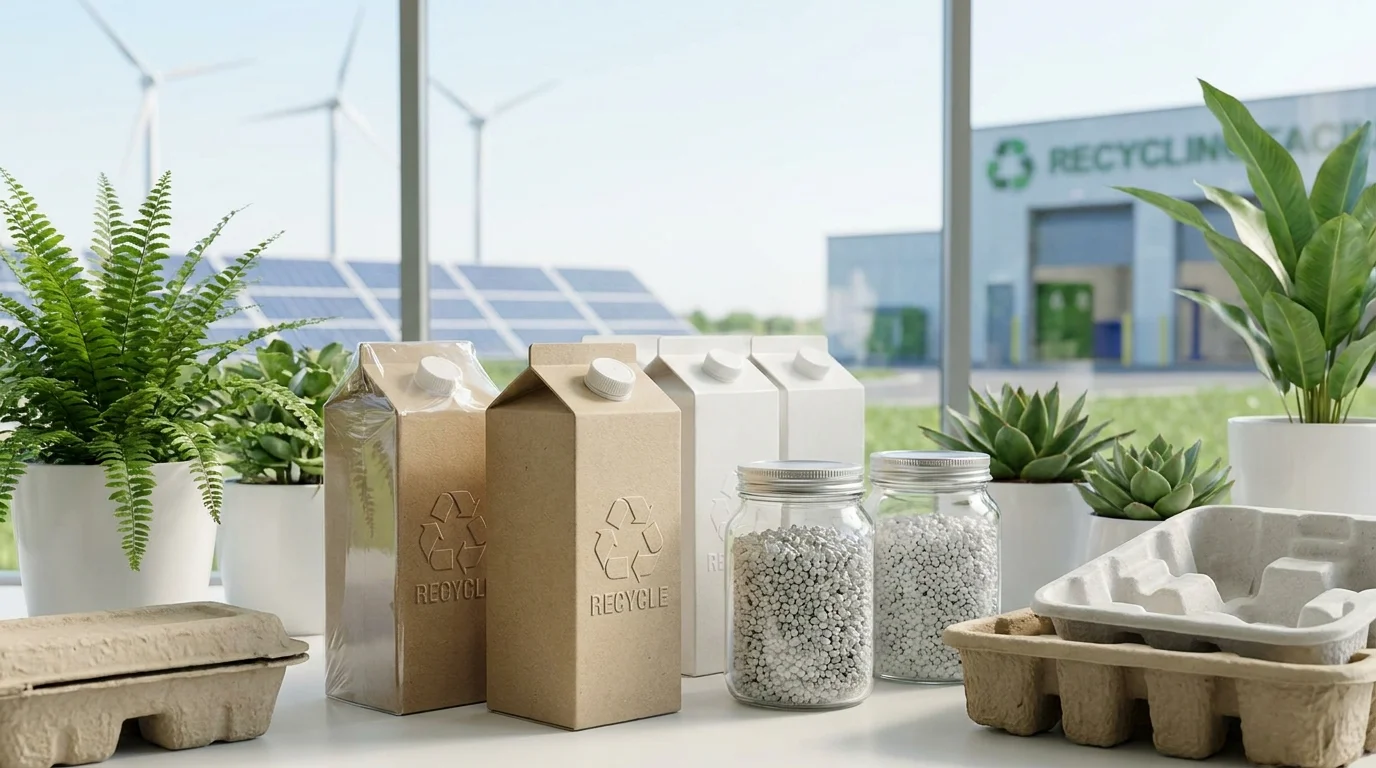
Conclusion: Key Takeaways for a Lower Carbon Packaging Choice
The carbon footprint of OPP film in cartons is a complex issue rooted in its fossil fuel origins, energy intensive production, and challenging end of life. To make a truly sustainable choice, businesses must look at the entire lifecycle.
The path forward lies in a combination of strategies: opting for lighter weight films, demanding recycled content, designing for easy recycling, and supporting innovations in advanced recycling and bio based materials. By understanding the full scope of the problem, we can all be part of the solution, making informed decisions that protect our products and our planet.