
Introduction
Plastic is everywhere in modern manufacturing, from automotive parts and medical devices to electronics and packaging. But how plastic parts are joined together has a direct environmental consequence that often gets overlooked. A joint that is fast and cheap to make but impossible to take apart later can quietly undermine a product’s entire sustainability story, turning what could have been a recyclable part into landfill waste the moment two pieces are permanently fused together.
As industries face growing pressure to reduce waste, support circular economy principles, and design products for repair and recycling rather than disposal, the choice of joining method has become an environmental decision as much as an engineering one. This guide explains how plastics are joined in industry, and which methods support a genuinely sustainable, recyclable product lifecycle.
Why Joining Method Choice Matters for Sustainability
Poorly chosen plastic joints do more than risk mechanical failure. They can lock recyclable materials into unrecoverable assemblies, mix incompatible plastic types so thoroughly that separation becomes impossible, and shorten a product’s usable life by making repair impractical. In high stakes sectors like medical devices or automotive components, joint failure is dangerous. But even in everyday consumer products, the wrong joining choice has a quieter cost: it determines whether that product ends up recycled, repaired, or in a landfill.
This is why sustainable product design increasingly treats joining method selection as a core environmental decision, not just a manufacturing detail. Reversible joints support repair and disassembly. Mono-material designs support clean recycling streams. And the energy used in the joining process itself adds to a product’s overall carbon footprint.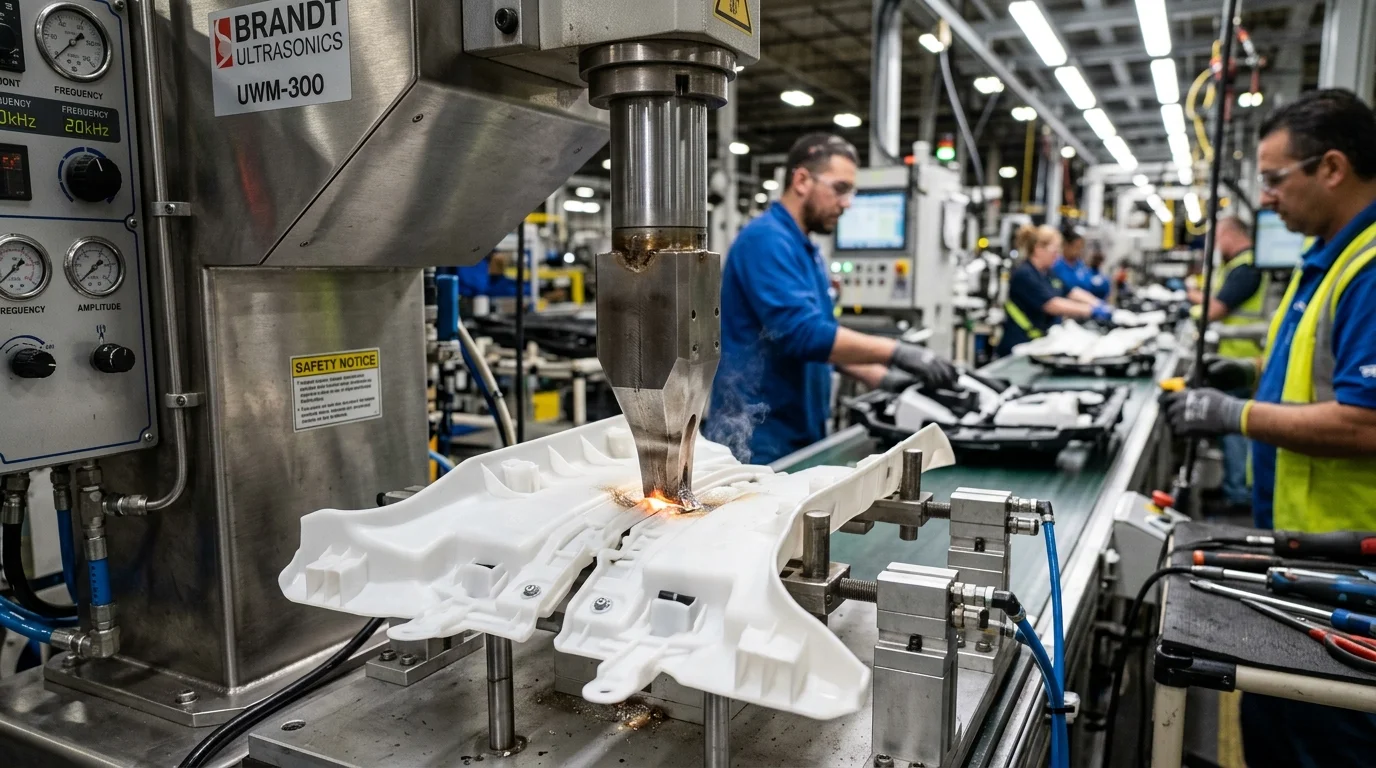
Overview of Plastic Joining Techniques
There isn’t a one size fits all method for joining plastics. The ideal technique depends on the type of plastic, the joint design, mechanical load, environmental exposure, production volume, cost, and increasingly, end of life plans for the product. Broadly, plastic joining methods fall into four main categories:
Mechanical Fastening: Using screws, rivets, clips, or interlocking designs. It is fast and often reversible, supporting easy disassembly and recycling, but may weaken plastics at stress points or require extra material.
Adhesive Bonding: Using glues, solvents, or resins to chemically bond surfaces. It offers flexibility and clean aesthetics but demands surface preparation and curing time, and can make later separation of materials difficult.
Thermal Welding: Includes hot plate welding, ultrasonic welding, laser welding, and more. These use heat or vibration to fuse plastic at a molecular level, creating very strong, permanent joints, which is excellent for strength but generally not reversible.
Solvent Welding: Common with thermoplastics like PVC, this technique partially dissolves plastic surfaces, allowing them to fuse seamlessly when the solvent evaporates. Like thermal welding, this produces a permanent bond.
Each technique carries different implications for a product’s repairability and recyclability, a factor we’ll return to throughout this guide.
Understanding Plastic Materials
Before you can connect plastics effectively, or plan for how they’ll eventually be recycled, you need to understand the materials you’re working with. Plastics aren’t all the same. Each type has unique chemical, mechanical, and thermal properties that directly impact how well a material can be joined, what joining methods are suitable, and how easily it can be recovered at end of life.
Plastic materials are typically classified into two main categories:
Thermoplastics: These can be melted and reshaped multiple times without significant degradation, which is what makes them recyclable in the first place. They are commonly joined using heat based methods like welding or solvent bonding. Examples include polyethylene (PE), polypropylene (PP), and polyvinyl chloride (PVC).
Thermosets: These form a permanent, irreversible structure when cured. Once set, they cannot be melted again, which makes conventional recycling far more difficult. Joining them usually involves mechanical fastening or adhesives. Examples include epoxy, phenolic, and polyester resins.
Understanding the chemical resistance, glass transition temperature, and recyclability of the plastic you’re using is the foundation for both a strong joint and a sustainable product.
Common Types of Plastics Used in Industry
Each industrial sector relies on specific plastic types suited to its needs, and each has different recyclability profiles:
Polyethylene (PE): Lightweight, flexible, and chemical resistant. Common in packaging, containers, and pipes. Widely recycled where collection infrastructure exists.
Polypropylene (PP): Resistant to fatigue and chemicals, widely used in automotive and household goods. One of the more commonly recycled plastics.
Polyvinyl Chloride (PVC): Rigid or flexible, used in construction, piping, and electrical insulation. Recycling is more limited due to chlorine content and additive complexity.
Acrylonitrile Butadiene Styrene (ABS): Tough and impact resistant, found in consumer electronics, toys, and automotive parts. Recyclable but requires separation from other materials.
Polystyrene (PS): Low cost and rigid, but brittle. Used in packaging and disposable products. Recycling rates remain low in most regions.
Polycarbonate (PC): Strong, transparent, and heat resistant, often used in lenses, safety gear, and electronics. Recyclable, though less commonly collected separately.
Nylon (PA): Excellent wear resistance, common in mechanical parts like gears and bushings. Increasingly targeted by specialty recycling programs.
Each of these plastics has specific requirements when it comes to joining. For example, polyethylene has low surface energy and often requires surface treatment before bonding, which can also affect how easily it separates during recycling.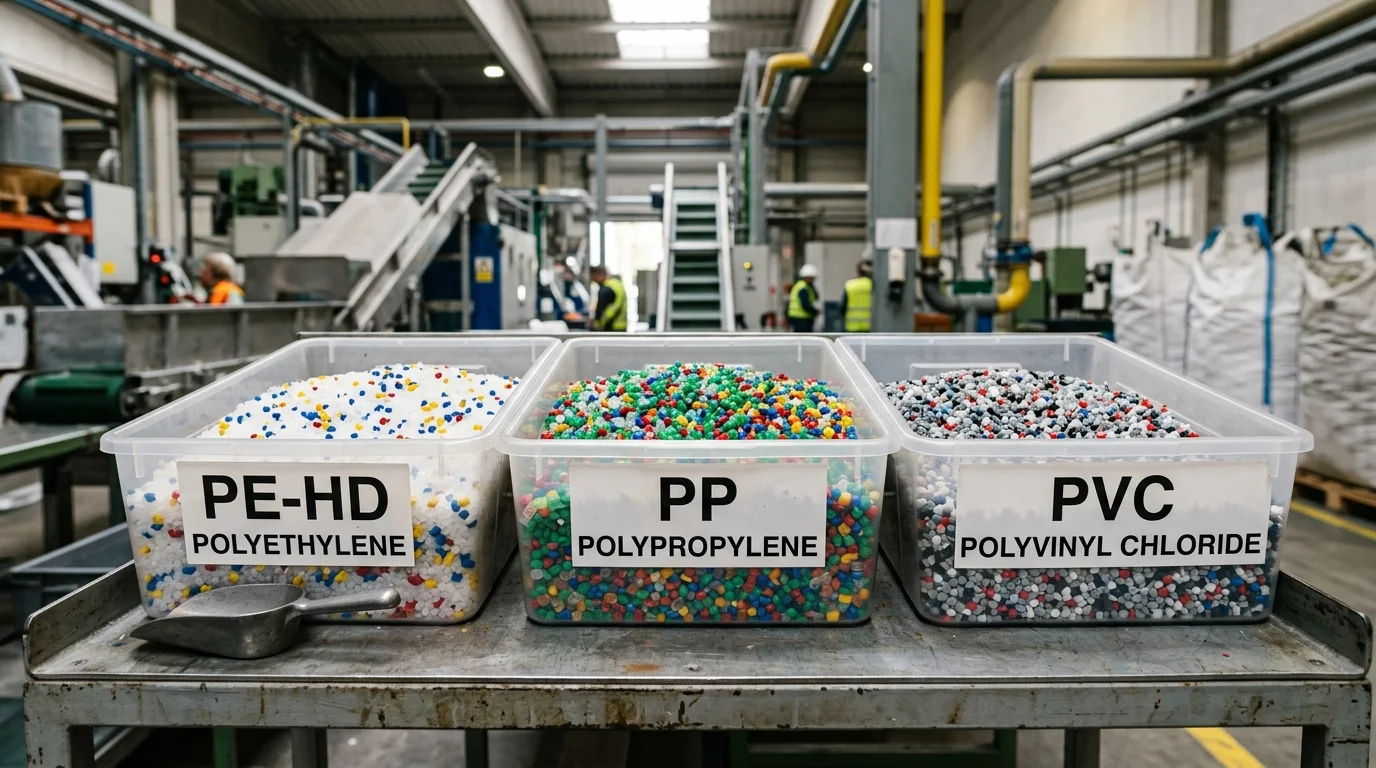
Factors Influencing Sustainable Joint Selection
Choosing the right method to join plastics isn’t just about material compatibility, it’s also about how the joint will be used, what environment it will face, and what happens to the product at the end of its life. Key factors include:
Material Properties: Melting point, thermal conductivity, and chemical resistance determine suitable joining techniques.
Mechanical Load: Will the joint handle static or dynamic loads? Is it under tension, compression, or shear?
Environmental Exposure: Temperature extremes, UV light, moisture, and chemical contact all influence joint durability.
Aesthetic Requirements: Visible joints in consumer products often need a clean, seamless finish.
Production Volume: High speed automated welding may be ideal for mass production, while adhesives or fasteners might suit smaller runs.
Recyclability and Repairability: Some joining methods make parts easier to separate, repair, or recycle, an increasingly important design consideration as regulations and consumer expectations shift toward circular products.
A successful, sustainable plastic joint balances all these considerations to deliver performance, efficiency, and end of life recoverability.
Industry-Standard Plastic Joining Methods
Across industries like automotive, aerospace, medical devices, packaging, and electronics, certain joining methods have emerged as standards due to their proven efficiency and consistent results. Here are the most widely used methods, along with their sustainability implications:
1. Thermal Welding Techniques
These methods involve melting the plastic surfaces to fuse parts at a molecular level, creating high strength, permanent bonds. Common types include:
Ultrasonic Welding: High frequency vibrations generate heat at the interface, melting the plastic locally. It’s fast, clean, and widely used in electronics, medical, and automotive sectors. Because it works best on similar or compatible plastics, it supports mono-material design when planned correctly.
Hot Plate Welding: A heated metal plate melts the joining surfaces before they are pressed together. Ideal for large, complex parts made of thermoplastics.
Laser Welding: A precise, non-contact method where a laser beam melts one part through a transparent plastic layer. It produces clean, low waste joints in electronics and medical devices.
Vibration Welding: Frictional heat generated by vibrating the plastic parts together causes the surfaces to melt and fuse. Common in automotive applications like fuel tanks and manifolds.
Environmental note: Thermal welds are permanent and generally not designed for disassembly, but because they don’t introduce a second material (unlike adhesives), a mono-material welded part is often easier to recycle than an adhesively bonded one, provided the whole assembly is a single recyclable plastic type.
2. Adhesive Bonding
Using industrial adhesives (epoxies, polyurethanes, acrylics, or cyanoacrylates) to chemically bond plastic parts is a flexible and versatile method.
Advantages: Suitable for dissimilar plastics, minimal surface damage, and excellent for complex or thin parts.
Limitations: Surface prep is critical, cure times can be long, and some adhesives may not handle high temperatures or harsh chemicals. Traditional adhesives also introduce a foreign material into the joint, which can complicate recycling.
Applications: Medical devices, consumer goods, and structural composites.
Environmental note: Newer solvent-free, low-VOC, and even depolymerizable adhesives are helping close this gap, discussed further below.
3. Solvent Bonding (Solvent Welding)
This method dissolves the plastic surface momentarily using a chemical solvent, allowing the parts to merge and then harden as the solvent evaporates.
Works Best With: Amorphous thermoplastics like PVC, acrylic, or ABS.
Key Use Cases: Plumbing, transparent enclosures, and display components where clean seams are desired.
Note: Requires well-ventilated workspaces and careful handling due to chemical fumes, and produces a permanent bond similar to thermal welding.
4. Mechanical Fastening
Involves joining parts using screws, rivets, snap-fits, or clips.
Advantages: Reversible, easy to assemble and disassemble, no thermal stress on materials. This is generally the most repair and recycling friendly joining method, since parts can be separated without damage.
Challenges: Potential for stress concentration or cracking if not designed properly.
Used In: Prototypes, serviceable devices, enclosures, or mixed-material assemblies, such as plastic-to-metal joints.
5. Friction Stir Welding (for Thermoplastics)
Originally developed for metals, this method is being adapted for plastic welding. It uses a rotating tool to heat and stir the material at the joint line, creating solid-phase bonds.
Emerging Use: Aerospace and automotive industries exploring it for high strength thermoplastic composite parts.
Benefits: Precise control, strong joints, and minimal defects, with no added adhesive material.
Industry standards guide how these joints are selected, tested, and validated. ASTM D3163 governs adhesive lap-shear bond strength testing in rigid plastics, ASTM D1002 covers general adhesive shear strength testing, and ISO 21307 specifically governs butt fusion welding procedures for polyethylene pipe systems, with related tensile testing under ISO 13953. Engineers should note that ISO 21307 applies specifically to PE pipe welding rather than plastic welding in general, and should consult the relevant standard for their specific material and application.
Selection Criteria: Choosing the Right Joining Technique for Circular Design
Choosing the correct method for joining plastics is a strategic decision, not just a technical one. The right technique can improve product strength, reduce manufacturing costs, and support sustainability goals. The wrong method can lead to weak joints, wasted materials, and products that are impossible to recycle at end of life. Here are the key factors professionals consider, with recyclability in mind throughout:
1. Type of Plastic Material
Thermoplastics (like PE, PP, PVC) are ideal for thermal welding, solvent bonding, or adhesives, and remain recyclable through conventional mechanical recycling. Thermosets (like epoxy or polyester) are typically not weldable once cured, and are far harder to recycle regardless of joining method. Amorphous plastics (e.g., ABS, PC) are easier to bond using adhesives or solvents, while semi-crystalline plastics (e.g., POM, PE) may require surface treatment or specialized welding.
2. Mechanical and Structural Requirements
Is the joint load bearing? Will it endure vibration, impact, or pressure? High strength or permanent joints often require thermal welding. Flexible or reversible connections might use mechanical fastening, which also happens to be the most repair friendly option. Moderate load or sealing needs may work well with adhesives.
3. Environmental Exposure
What conditions will the product face throughout its lifecycle? Heat and cold cycling can cause some joints to expand or contract, and adhesives may fail under thermal cycling. Moisture and chemicals can degrade solvent bonds or adhesives if not properly selected. UV or outdoor exposure raises both durability and material degradation considerations.
4. Aesthetic and Surface Considerations
Laser and ultrasonic welding produce clean seams with minimal marks. Adhesives and solvent bonding can be hidden but may require post-processing. Mechanical fasteners are often visible, which may be acceptable in utility products but not in consumer electronics, though visible fasteners do make repair more obvious and accessible to end users.
5. Production Scale and Speed
Mass production favors high speed welding methods like ultrasonic or hot plate welding. Small or custom runs often rely on adhesives or mechanical fasteners due to lower upfront cost. Automation readiness varies significantly between methods.
6. Repairability and Recyclability
This is the factor most directly tied to a product’s environmental footprint. Mechanical fasteners allow easy disassembly and are often preferred in modular, repairable designs. Permanent welding or adhesives are harder to reverse, potentially complicating repair or end of life recycling, though welding a single recyclable material type is often preferable to adhesively bonding mixed materials. Some companies are now explicitly choosing joining methods that align with circular economy principles, even when a permanent bond would be cheaper or faster to produce.
Quality Control and Testing
A strong bond is not enough, it must also be consistent, reliable, and verifiable, especially since a joint failure can mean a product is discarded entirely rather than repaired or recycled. Here’s how industries maintain quality through systematic testing:
1. Visual Inspection
Checks for surface defects, incomplete bonds, bubbles, discoloration, misalignment, and residue. Used across nearly all sectors as a frontline check, though it doesn’t reveal hidden flaws or internal weaknesses.
2. Destructive Testing
Involves physically breaking or deforming a sample to test joint strength, including peel and tensile tests, shear testing, and impact testing. This validates design assumptions and joining technique strength, though it destroys the sample and is done on a select basis during production.
3. Non-Destructive Testing (NDT)
Used to assess joint integrity without damaging the product, ideal for high value or safety critical components. Techniques include ultrasound scanning to detect voids or weak fusion zones, X-ray and CT imaging for complex internal joints, and infrared thermography to reveal bonding inconsistencies.
4. Leak and Seal Integrity Testing
Critical in products that carry fluids or gases, like pipes, tanks, or medical tubing. Common methods include pressure decay or vacuum tests, helium leak detection for high sensitivity applications, and water immersion bubble tests for simpler detection.
5. Adhesive Bond Validation
For adhesive-based joints, additional tests verify chemical curing and long term reliability, including cure time and temperature monitoring, pull testing after aging, and environmental exposure testing.
6. Standard Compliance Testing
Many industries follow established standards for plastic joining and testing, including ASTM D1002 and D3163 for adhesive joints, ISO 13953 and ISO 21307 for polyethylene pipe welding procedures, and FDA or USP class testing for medical grade plastics and food-contact products. Meeting these standards is often a legal or regulatory requirement, not just best practice.
Quality control is embedded throughout the joining process, from material selection and surface preparation to controlled environment conditions and automated monitoring. In high risk industries, digital systems often track every weld or bond in a database to ensure full traceability, a practice that also supports recyclability tracking as products approach end of life.
Innovations and Trends in Sustainable Plastic Joining
As industries push toward lighter, more efficient, and genuinely sustainable products, plastic joining methods are evolving fast. Here are the key innovations shaping the field, particularly those aimed at circular design:
1. Laser Welding with Precision Control
Laser welding is becoming a gold standard in high precision industries. It offers clean, fast, non-contact joining with pinpoint accuracy and works well with transparent or translucent thermoplastics. Because it fuses material directly without adding adhesives, it supports cleaner recycling streams when used within a single plastic type.
2. Ultrasonic Welding for Advanced Materials
Now being adapted for composite plastics and bioplastics, new-generation ultrasonic systems use real time feedback to optimize weld quality and are increasingly integrated with robotic arms for automated, precise assembly, reducing material waste from failed joints.
3. Adhesive Technology Breakthroughs
Adhesives are getting stronger, faster curing, and more eco-friendly. Current innovations include structural adhesives that rival mechanical fasteners in strength, light-curable adhesives that set in seconds under UV light, and solvent-free, low-VOC adhesives for safer and greener manufacturing. Some newer adhesives are also designed to depolymerize under specific conditions, allowing bonded assemblies to be separated for recycling at end of life, directly addressing one of adhesive bonding’s biggest sustainability drawbacks.
4. Hybrid Joining Methods
Engineers increasingly combine two or more methods to overcome single technique limitations, such as laser welding plus adhesives for enhanced strength and sealing, or plasma pre-treatment plus adhesive bonding for joining low surface energy plastics like PE or PP.
5. Surface Activation Technologies
Many plastics naturally resist bonding due to low surface energy. New solutions like atmospheric plasma treatment and corona discharge modify plastic surfaces to improve adhesion without added chemicals, reducing the need for solvent-based surface preparation.
6. Digital Quality Monitoring and AI Integration
Industries are embedding sensors and AI into the joining process for real time weld monitoring and defect prediction, with digital traceability linking each weld or bond to a batch or product ID, supporting both regulatory compliance and end of life material tracking.
7. Sustainable Joining for Circular Design
This is the most directly environmental trend in the field. Snap-fits and reversible joints are increasingly favored in electronics for easier repair. Adhesives that depolymerize under specific conditions are being tested and adopted. Low energy welding processes and eco-certified bonding agents are reducing the carbon footprint of the joining step itself. Future regulations, particularly in the EU, may require manufacturers to demonstrate that products can be disassembled or recycled, which will push joining method selection further toward circular design principles across the industry.
Industry Case Studies
1. Automotive Industry: Ultrasonic Welding for Fuel System Components
A leading global automotive manufacturer uses ultrasonic welding to join polypropylene components in vehicle fuel tanks and vapor recovery systems. Because the assembly uses a single compatible plastic type fused without adhesives, the resulting component remains easier to recycle at end of vehicle life than a multi-material, adhesively bonded alternative, while also providing a fast, repeatable, chemically resistant seal for high volume production.
2. Medical Devices: Laser Welding in Disposable Diagnostics
A medical technology firm producing diagnostic testing cartridges uses laser transmission welding to join transparent polycarbonate microfluidic parts. This delivers clean, precise welds without adhesives or particulate contamination, enabling sterile, contact-free assembly in cleanrooms, and avoiding the mixed-material waste stream that adhesive bonding would create.
3. Electronics Industry: Adhesive Bonding in Wearable Devices
A global electronics brand assembles polycarbonate and TPU components in smartwatches using UV-curable adhesives, providing flexible, shock-resistant joints with fast curing for high speed assembly. This is a case where adhesive bonding remains the practical choice for a mixed-material, heat-sensitive product, illustrating the ongoing tradeoff between performance needs and end of life recyclability.
4. Packaging Industry: Solvent Bonding in PVC Containers
A major consumer packaging supplier uses solvent welding to produce rigid PVC blister packs for pharmaceuticals, creating airtight, sterile seals quickly and at low cost. Because PVC recycling infrastructure is limited in many regions, this case highlights an area where the industry is actively researching mono-material alternatives to replace PVC blister packaging entirely.
5. Aerospace Sector: Hybrid Joining for Lightweight Composites
An aerospace OEM supplier joins thermoplastic composite panels in aircraft interiors using a hybrid of mechanical fasteners and laser welding, balancing structural integrity with weight reduction while allowing modular design for repair and part replacement, directly supporting maintainability over the aircraft’s decades-long service life.
These examples show that there is no single best joining method for sustainability. The right choice always depends on the specific materials, performance requirements, and end of life goals for that product.
Conclusion
Plastic joining is a precision science that directly impacts not just product quality and safety, but also whether that product becomes recyclable material or landfill waste. As explored throughout this guide, selecting the right joining technique depends on the type of plastic, environmental conditions, mechanical demands, and increasingly, end of life plans.
From reversible mechanical fasteners that support full disassembly, to mono-material welding that keeps recycling streams clean, to next-generation depolymerizable adhesives, the field is moving steadily toward joining methods that support circular design without compromising performance. As regulations and consumer expectations continue to push products toward repairability and recyclability, understanding the environmental tradeoffs of each joining method is becoming as important as understanding their mechanical properties.