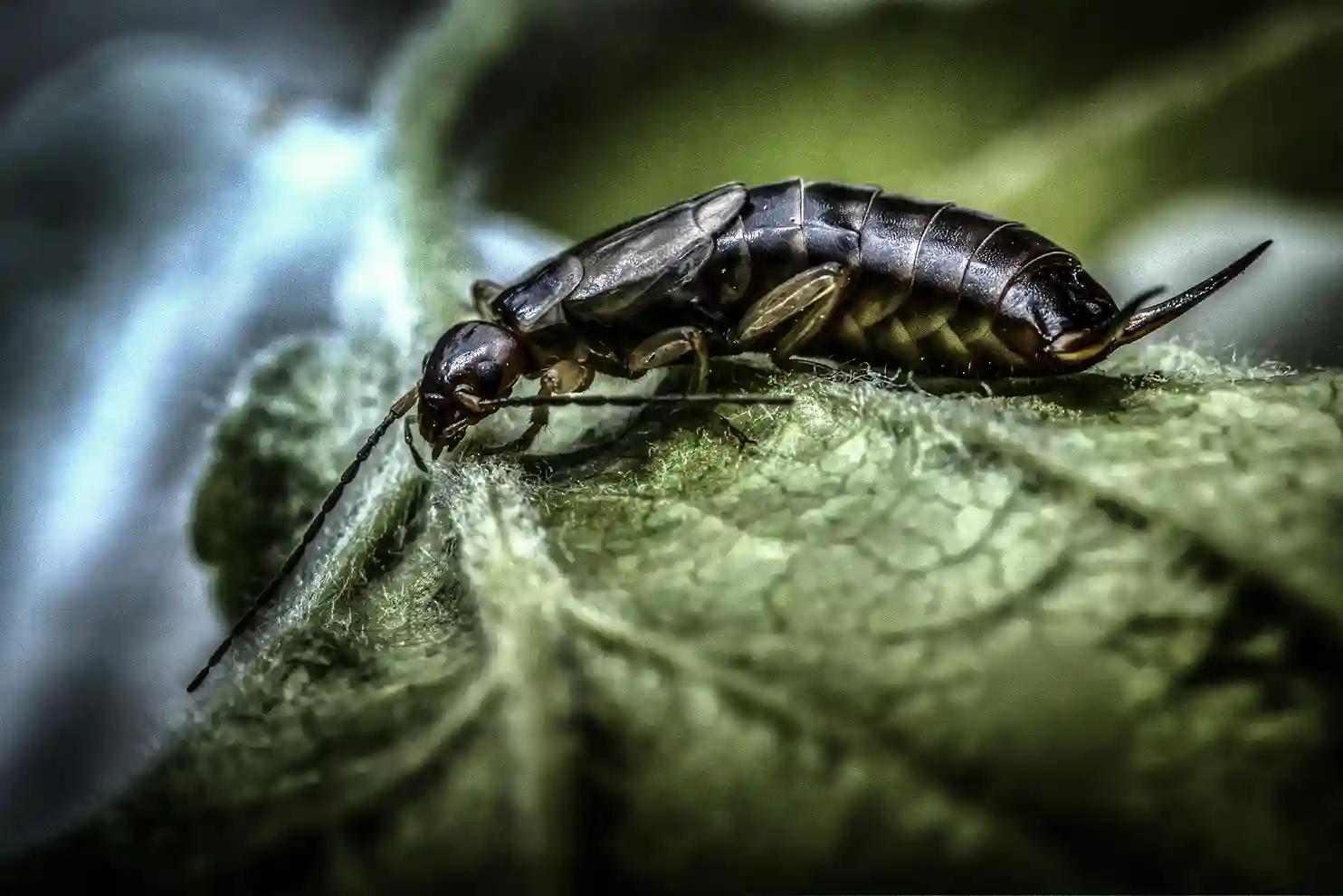

Termites are small, social insects often mistaken for ants, but their role in nature and even in our homes is far more impactful. At EnviroTechInfo, we explore how such organisms shape ecosystems and environmental balance. Found across the globe, termites are best known for their appetite for wood and plant based materials. In fact, they play a critical ecological role by breaking down tough plant fibers, recycling dead trees, and enriching soil health.
There are over 2000 species of termites worldwide, but they are generally grouped into three main types: subterranean, drywood, and dampwood. Subterranean termites live underground and are the most destructive, especially to buildings. Drywood termites nest inside dry wood such as furniture, while dampwood termites prefer moist, decaying wood often found in forest environments.
Despite their tiny size, most are just a few millimeters long, termite colonies can be massive, sometimes hosting millions of individuals working together in a highly organized structure including workers, soldiers, and a queen. Each member has a specific role similar to bees or ants.
While they are essential to many ecosystems, termites are also considered pests when they invade homes, silently chewing through wood and causing billions of dollars in structural damage each year, especially in warmer and humid regions. But what happens to termites when the temperature drops? Can these insects survive the cold?
Are Termites Active in Winter
Many people assume that termites disappear during winter, but that is not entirely true. Unlike some insects that die off or go dormant when it gets cold, termites remain active throughout the year, including winter. However, their behavior changes depending on temperature and species.
In colder climates, subterranean termites do not vanish during winter. Instead, they move deeper underground below the frost line where temperatures remain stable and above freezing. Here they continue feeding and maintaining their colonies. If they are inside a heated structure such as a home, their activity may not slow down at all.
Drywood termites, which live entirely within wooden structures, can also remain active during winter, especially in insulated buildings. Since they rely on moisture within the wood, they can continue their activity even when outdoor temperatures drop significantly.
Scientific research shows that termite activity slows down when temperatures drop below 10°C or 50°F. According to the United States Environmental Protection Agency , termites can remain active in protected environments even during colder months. Their metabolism reduces, they eat less, and their movement becomes slower. However, this is only a slowdown, not a complete stop.
Can Termites Survive Cold Weather
Yes, termites can survive cold weather, but survival depends on species and environment. While they prefer warm and humid climates, termites have developed strategies to endure colder conditions.
Subterranean termites burrow deeper into the soil during winter, below the frost line where temperatures remain stable. This natural insulation protects the colony and allows limited activity to continue. Some colonies dig several feet underground to stay warm.
If termites are inside heated structures such as homes or buildings, they do not need to slow down at all. Indoor infestations can continue and even worsen during winter because they remain hidden and undetected.
Drywood termites do not depend on soil and live entirely within wood. If that wood is inside a heated building, they can survive and remain active regardless of outside temperatures.
Studies suggest termites experience stress below 5°C or 41°F and may die if exposed to freezing temperatures for extended periods without protection. However, they avoid such conditions by seeking warmth, moisture, and shelter.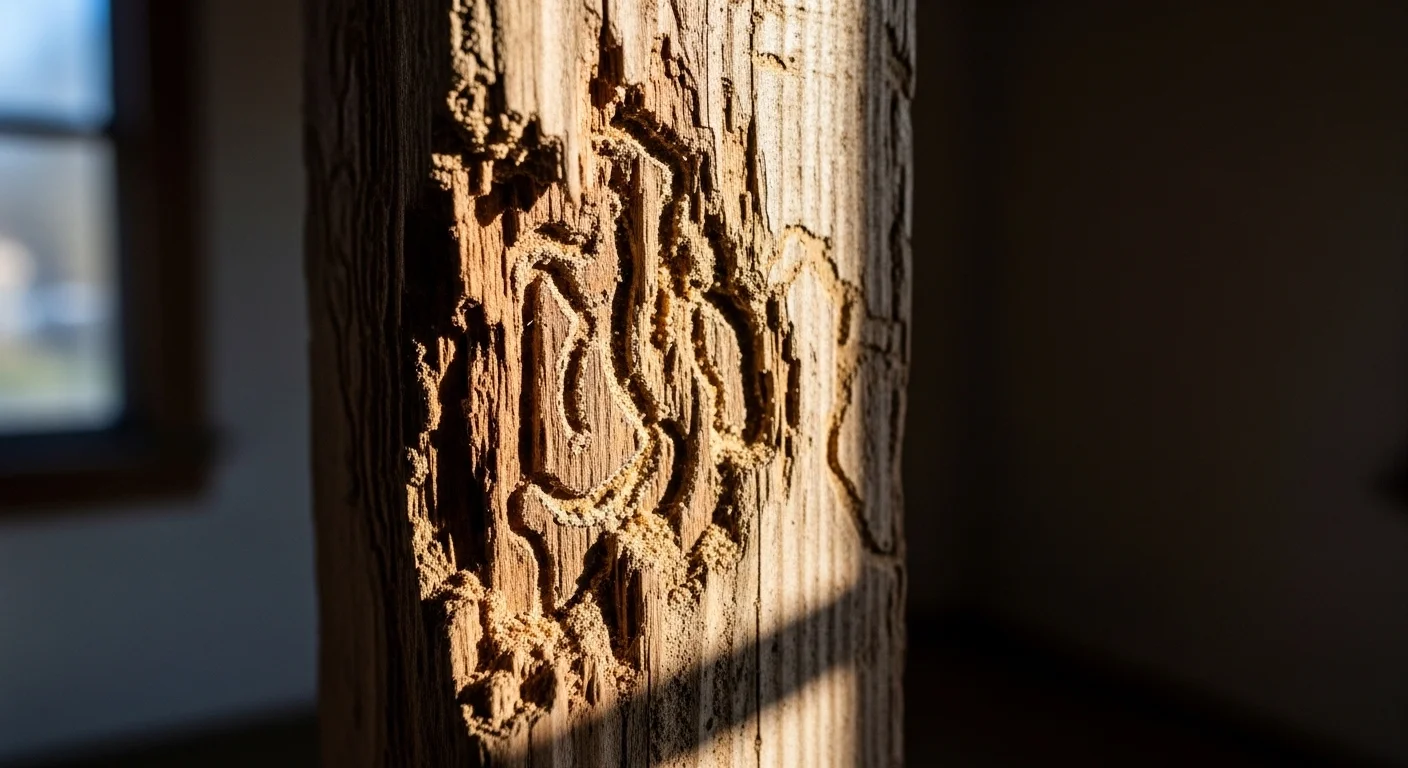
How Termites Avoid Cold Weather
Termites use several strategies to survive cold conditions by avoiding exposure rather than resisting it directly.
They Dig Deeper Underground
Subterranean termites move deeper into the soil below the frost line where temperatures are warmer and stable. This helps protect the colony and allows limited activity to continue.
They Stay Hidden Inside Structures
Termites inside homes or buildings rely on artificial heat. They remain active within walls, furniture, and foundations, continuing their damage unnoticed. This is common for drywood termites.
They Reduce Activity
In colder conditions, termites slow down their metabolism, eat less, and conserve energy. This helps them survive until temperatures rise again.
They Seek Moisture and Insulation
Termites prefer moist and insulated areas such as soil, wood, basements, and crawl spaces. These environments help regulate temperature and humidity, improving survival chances.
Conclusion
Termites may slow down in cold weather, but they are far from inactive. Whether burrowing underground, hiding inside heated structures, or reducing their activity, they have developed effective survival strategies. Their ability to adapt means winter does not eliminate the risk of infestation.
Understanding termite behavior in colder months helps homeowners stay prepared throughout the year. Even when they are not visible, termites may still be active behind walls or underground, continuing to cause damage.