
Carbon monoxide (CO) is a silent threat that requires high-precision detection, yet the science behind these sensors is often misunderstood by the average homeowner. While a triggered alarm should always be treated as a life-threatening emergency, many environmental variables can simulate the chemical signature of CO. Understanding incomplete combustion and the mechanical limitations of electrochemical sensors is the first step in differentiating between a genuine leak and a localized interference event.
The primary objective of a residential detector is to monitor the accumulation of gas that results from a lack of sufficient oxygen during the heating process. However, modern homes are complex chemical environments where synthetic products and natural biological processes interact with sensitive safety equipment. This guide explores the atmospheric triggers, sensor calibration limits, and the specific volatile compounds that can lead to a false positive reading.
Tracing Primary Combustion Sources and Hazardous Gas Accumulation
The most frequent cause of a legitimate alarm is the accumulation of carbon monoxide due to incomplete combustion in household appliances. When gas stoves, indoor fireplaces, or furnaces fail to oxidize fuel completely, they release CO instead of the standard carbon dioxide byproduct. This typically occurs because of blocked ventilation flues or a mechanical imbalance in the air-to-fuel ratio within the burner assembly.
In many cases, the answer to what causes a carbon monoxide detector to go off lies in the age and maintenance of these combustion units. While a healthy blue flame indicates efficient operation, a yellow or flickering orange flame suggests a dangerous increase in CO production. These risks are not limited to traditional furnaces, as we have documented in our research on how a wood burner can cause carbon monoxide poisoning if not properly vented.
Chemical Interference and Environmental Factors Causing False Alarms
Environmental scientists have long noted that high humidity levels can significantly impact the accuracy of residential safety sensors. Many homeowners ask if a humidifier can set off a carbon monoxide detector, and the technical answer involves the electrochemical reaction within the device. Excessive water vapor can sometimes condense on the sensor’s surface, causing a spike in electrical conductivity that the unit interprets as gas presence.
Beyond moisture, there is often confusion regarding whether natural gas itself sets off a carbon monoxide detector. It is a common misconception, but CO detectors are not designed to find methane or propane leaks. However, high concentrations of hydrocarbons can sometimes cause cross-sensitivity triggers. This chemical overlap is similar to how sensors are often confused in complex household environments, a topic we cover when explaining if fire detectors can detect carbon monoxide.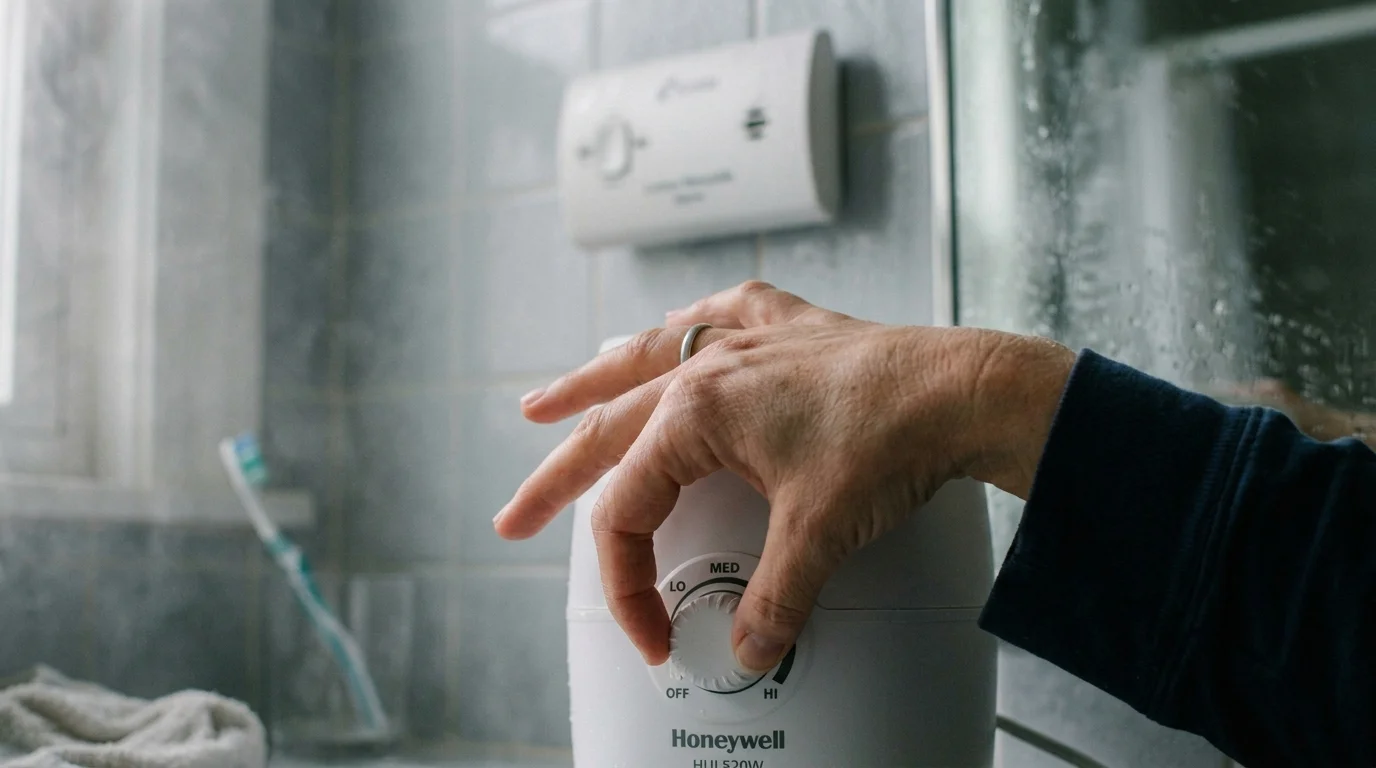
Analyzing Cross-Sensitivity with Volatile Organic Compounds and Methane
One of the most complex challenges in indoor air quality management is the impact of Volatile Organic Compounds (VOCs) on sensor stability. Common household items like aerosol air fresheners, heavy-duty cleaning solvents, and industrial-strength paints release chemical vapors that can mimic CO molecules. These synthetic compounds interact with the sensor’s catalyst, leading to high-frequency false alarms that are difficult for residents to diagnose without professional air monitoring equipment.
Biological sources also play a surprising role in residential gas detection, particularly regarding methane and hydrogen byproducts. In homes with heavy pest activity or organic decay, the chemical signature of the environment changes drastically. For instance, understanding the biological resilience of pests, such as how termites survive cold weather, helps homeowners realize how hidden organic activity can sometimes influence the ambient air chemistry of a crawlspace or basement.
Sensor Calibration and Parts Per Million Thresholds for Continuous Activation
The internal logic of a detector is governed by Parts Per Million (PPM) thresholds, which determine the urgency of the alarm. Most residential units are calibrated to follow UL 2034 standards, meaning they do not alarm at low levels (under 30 PPM) to avoid nuisance triggers from cooking. However, once the level reaches a sustained threshold, the device begins a timed countdown to activation, which explains why a detector might keep going off even if windows are briefly opened.
For those wondering what level a carbon monoxide detector goes off at, the response is generally tiered: 70 PPM for 1 to 4 hours, or a rapid response for 400 PPM within minutes. This logarithmic scale is designed to mimic the rate at which carboxyhemoglobin builds up in the human bloodstream. The sensitivity of these thresholds is heavily influenced by the location of the unit, and we recommend checking our guide on how far a carbon monoxide detector should be from a furnace to ensure your sensor is calibrated for accurate readings.
Standard Emergency Protocols and First Responder Contact Procedures
When an alarm activates, the immediate priority is to stop the inhalation of contaminated air and seek professional intervention. The first step in what to do if your carbon monoxide detector goes off is to evacuate all occupants, including pets, to an outdoor location with fresh air. Do not spend time opening every window or attempting to find the leak yourself, as high-concentration pockets can cause rapid loss of consciousness.
Once safely outside, the designated protocol is to contact 911 or the local fire department, as they possess the calibrated ambient air analyzers necessary to clear the building. According to the National Fire Protection Association (NFPA), first responders are the only individuals qualified to declare a residence safe for re-entry. In complex HVAC systems, identifying the source is critical, which is why we’ve analyzed whether an HVAC system can produce carbon monoxide during mechanical failure.
Regulatory Lifespans and Deactivation Mechanics for Residential Sensors
A persistent alarm is often a sign of a device reaching its end-of-life (EOL) phase rather than a gas leak. Most modern sensors have a built-in timer that triggers a specific chirp pattern after five to seven years of service. For users looking for how to turn off a Kidde carbon monoxide detector or similar brand, the process usually involves a reset button, but this will only provide a temporary silence if the sensor is expired.
Housing codes and environmental safety regulations now mandate the replacement of these units to ensure that the electrochemical cell has not dehydrated or lost sensitivity. Relying on an expired unit is as dangerous as having no detector at all, especially in homes utilizing liquid fuels. To maintain a safe environment, you should also be aware of the specific risks highlighted in our report on whether oil heat can cause carbon monoxide issues during the winter months.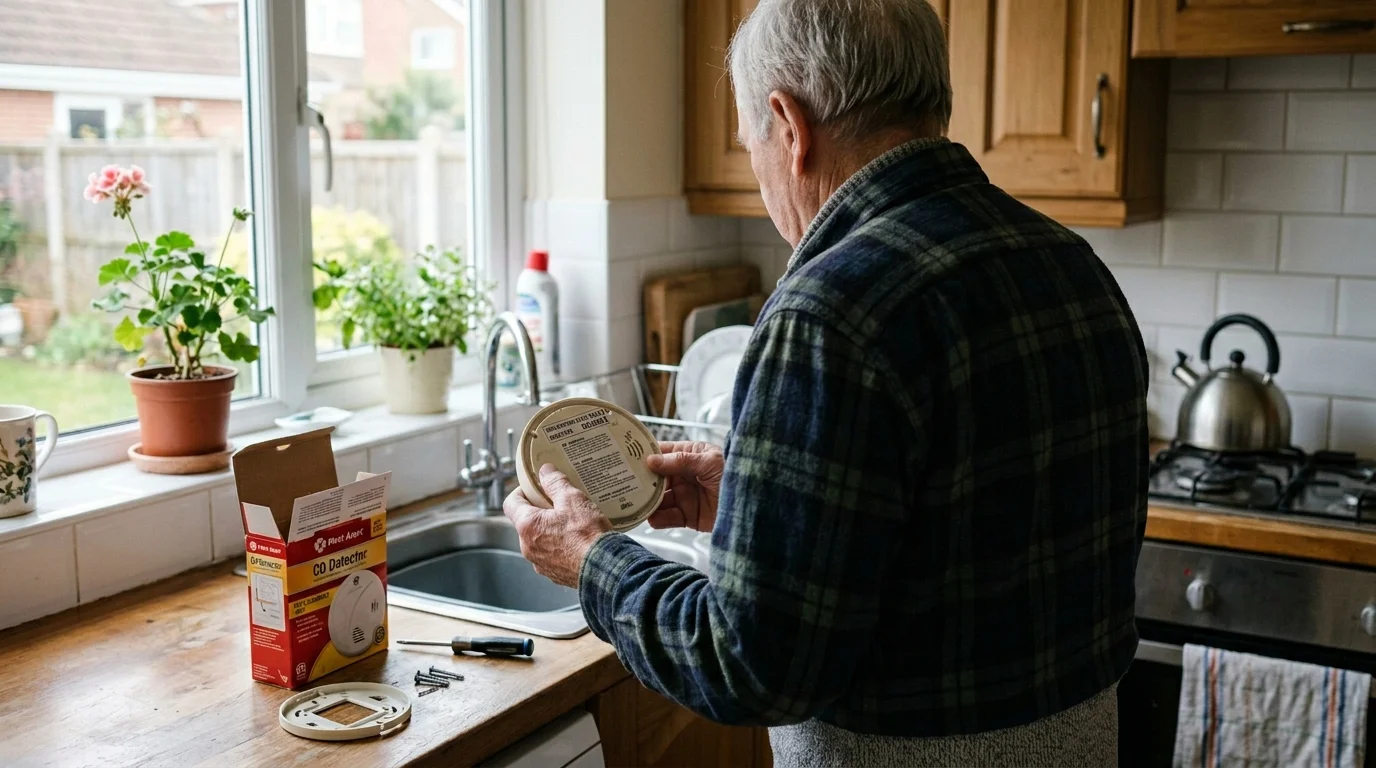
Conclusion
Managing indoor air quality requires a balance of mechanical maintenance and an understanding of chemical interference. While false positives can be frustrating, the precision of a CO detector is your primary defense against a gas that remains invisible to the human senses. By keeping sensors clear of VOCs, monitoring humidity, and adhering to strict replacement schedules, you ensure that when the alarm does sound, it is a reliable signal for life-saving action.