
Incomplete Combustion: The Scientific Origin of Carbon Monoxide in Wood Burning
Wood is composed primarily of cellulose, hemicellulose, and lignin, three biopolymers that release their chemical energy through oxidation when ignited. Under complete combustion conditions, each carbon atom in these compounds fully oxidizes to form carbon dioxide (CO₂) and water vapor. This is the theoretical ideal. In the confined, variable environment of a residential wood-burning appliance, complete combustion is rarely achieved consistently.
The production of carbon monoxide (CO) is an inescapable consequence of incomplete combustion, the condition that arises when the fuel-air ratio inside the firebox is oxygen-deficient, when combustion temperatures are insufficient, or when burning time is too short for full oxidation. In each of these scenarios, carbon atoms bind to only one oxygen atom instead of two, yielding CO rather than CO₂. The transition between complete and incomplete combustion is not binary; it exists on a continuous spectrum directly tied to fire management, appliance condition, and fuel moisture.
Moisture content is among the most consequential variables in this chemistry. Wet or unseasoned wood, typically defined as having a moisture content above 20 percent, absorbs combustion energy as latent heat during evaporation. This thermal drain suppresses firebox temperatures below the threshold required for complete oxidation, extending the range of incomplete combustion and elevating CO output proportionally. The same fire geometry, in the same appliance, can produce vastly different CO concentrations depending entirely on whether the fuel is dry or wet.
Wood Burning Stoves and Fireplaces as Carbon Monoxide Sources
Residential wood burning is not a marginal source of indoor air contamination. It is a primary one. According to the U.S. Environmental Protection Agency, wood burning accounts for approximately 15 percent of the carbon monoxide in ambient air, a share that places it alongside motor vehicles and fossil fuel combustion as one of the dominant CO source categories in many regions. Inside the home, the contribution is even more direct and concentrated.
Both wood stoves and open fireplaces generate CO as a routine combustion byproduct, but the quantity and distribution of that CO within the living environment differs significantly between them. Open fireplaces, which lack the sealed combustion chambers of modern stoves, produce substantially higher emission rates. Research published in Nature’s Scientific Reports by the University of Surrey’s Global Centre for Clean Air Research found that open fireplaces increased PM2.5 exposure up to seven times compared to modern certified stoves, with elevated CO concentrations accompanying the particulate spike. The same study found that even homes using certified stoves and premium fuels recorded pollutant levels exceeding safe thresholds, particularly when ventilation was inadequate.
Older, non-certified wood stoves present the highest risk profile. The EPA estimates that over 2 million wood stoves currently in use across the United States are inefficient, uncertified devices that were manufactured before modern emissions standards took effect. These appliances were not designed to the combustion efficiency standards of contemporary certified models and routinely operate in conditions that maximize CO output. A non-certified wood stove used for four hours emits as much carbon monoxide as driving a car 20 miles, a comparison that makes the indoor concentration potential tangible.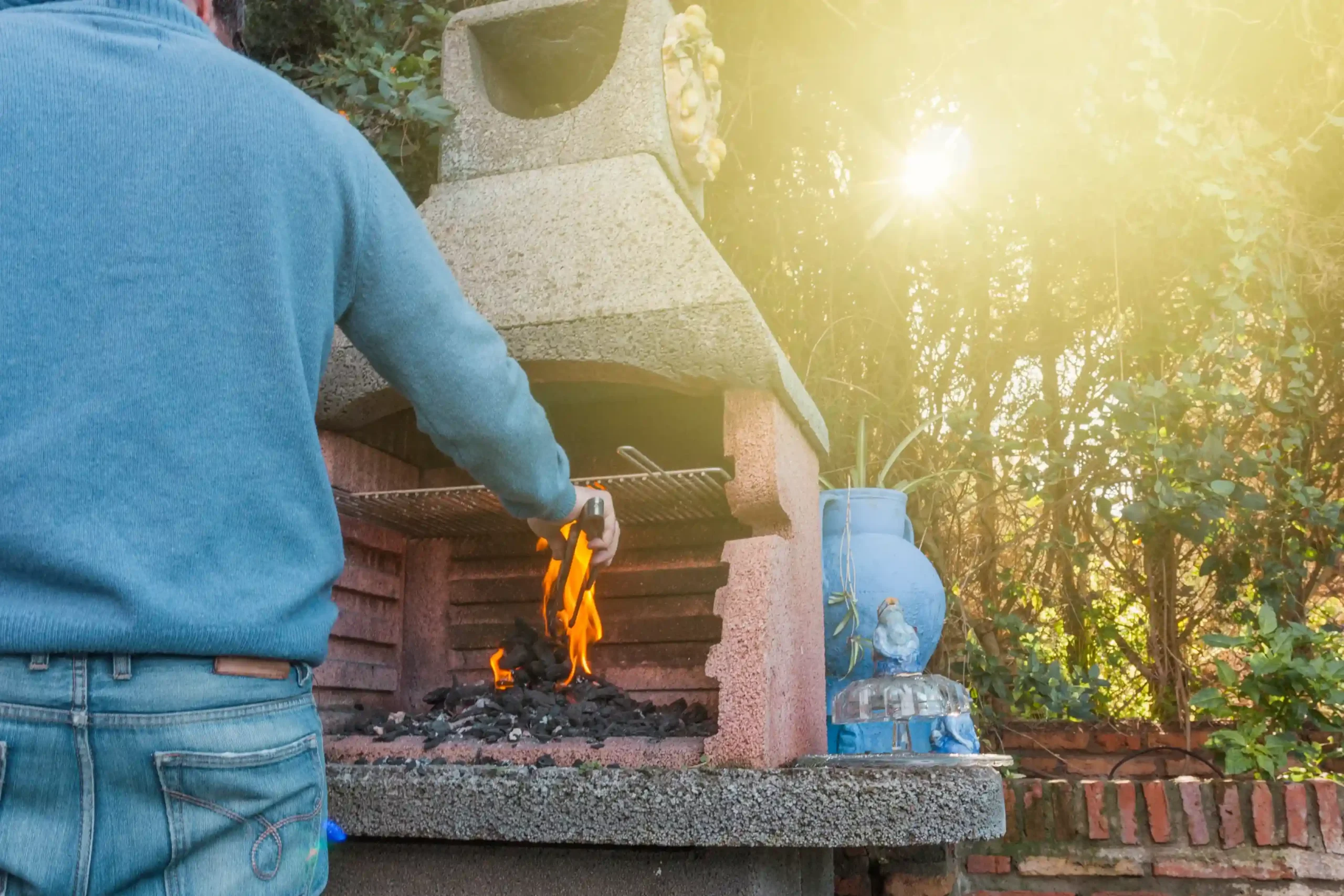
Can You Get Carbon Monoxide Poisoning from a Wood Burner? Exposure Pathways Explained
The direct answer is yes, and it happens through multiple pathways simultaneously. The most documented route is flue backdrafting, the reversal of the intended exhaust direction inside the flue system. A functioning flue operates under negative pressure generated by the temperature differential between the hot combustion gases inside and the cooler ambient air outside. When this differential collapses, because of blocked flue pathways, inadequate combustion temperature, or competing pressure dynamics within the building, the flow reverses. Carbon monoxide produced in the firebox migrates backward into the mechanical room and from there into the occupied living space.
A second pathway is appliance leakage. Wood stoves and fireplace inserts develop structural weaknesses over time, including degraded door gaskets, cracked firebox panels, and failed sealant at flue connections. Each of these points of failure creates a pathway through which CO exits the appliance directly into the room rather than being directed into the flue. Unlike backdrafting, which tends to be intermittent and associated with operational conditions, appliance leakage can occur continuously throughout every burn cycle in a compromised unit, delivering low-level CO exposure even during what appears to be normal operation.
A third pathway, specific to open fireplaces, is room pressurization disruption. When exhaust fans, range hoods, or forced-air return systems create negative pressure in the room containing the fireplace, the reduced pressure can overcome the draft in the chimney and draw combustion gases downward into the living space. This mechanism is particularly acute in tightly sealed modern homes where passive air infiltration is insufficient to supply the combined makeup air demand of the heating appliance and competing exhaust systems. Each of these pathways can operate independently or simultaneously, compounding exposure.
Ventilation Failure and Structural Risk in Residential Buildings
The structure and condition of the chimney or flue system is the single most consequential variable in whether CO from a wood-burning appliance remains safely contained or enters the occupied building. Chimney liner integrity determines the efficiency of the draft that carries combustion gases upward and out. Older clay tile liners crack under the thermal cycling of regular use. Unlined masonry chimneys absorb moisture from combustion exhaust, accelerate internal spalling, and shed debris that progressively restricts the flue cross-section.
Creosote accumulation introduces a compounding risk factor. Creosote is the condensed residue of incompletely burned wood gases, deposited as a dark, tarry or crystalline substance on the inner surfaces of the flue every time combustion temperatures are insufficient to fully combust the rising gases. Beyond its well-documented role as a chimney fire accelerant, creosote buildup physically narrows the flue diameter, increases flow resistance, and weakens the draft. A flue with significant creosote accumulation delivers less negative pressure to the firebox, which in turn reduces combustion efficiency, which in turn generates more CO, creating a self-reinforcing degradation cycle.
Building envelope tightness, increasingly common in energy-efficient construction, creates a structural risk that is specific to modern homes. Airtight construction prevents the passive air infiltration that older homes relied upon to replenish combustion air and support chimney draft. A wood stove operating in a tightly sealed modern home without a dedicated outdoor air supply will progressively depressurize its surrounding space as combustion consumes oxygen. This combustion appliance zone depressurization can reach the point where the negative indoor pressure exceeds the draft pressure in the chimney, reversing gas flow and introducing CO directly into the occupied rooms.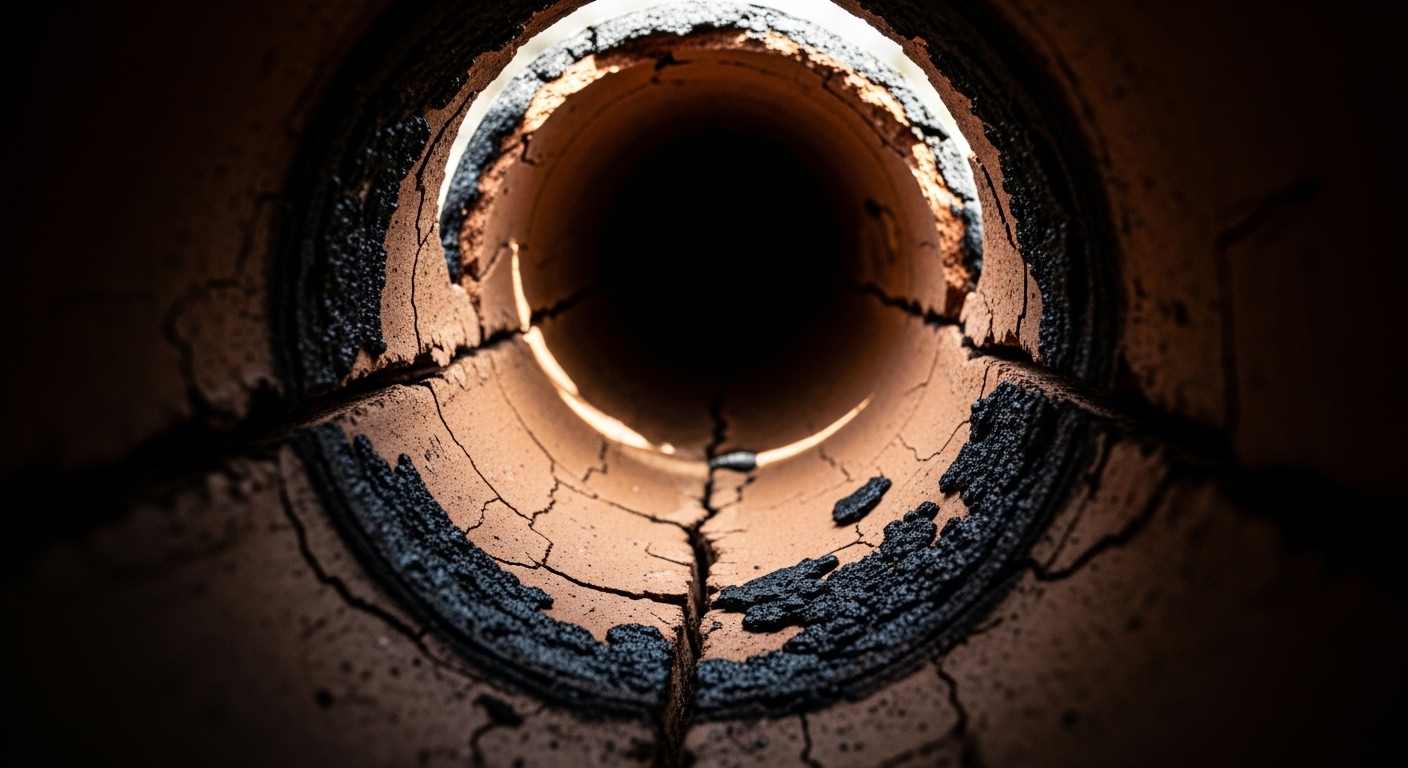
Misconceptions Around Wood Burning and Carbon Monoxide Risk
One of the most persistent misconceptions is that a visible, actively burning fire is a safe fire. Homeowners frequently associate a bright, crackling flame with complete combustion and assume that CO is only produced when a fire is smoldering or nearly extinguished. In reality, CO generation occurs across all stages of a wood fire and is controlled by the oxygen supply and fuel characteristics, not by the visual character of the flame. A fire that appears vigorous can still produce significant CO concentrations if the fuel is wet or the firebox is overloaded.
A second misconception is that modern certified stoves eliminate CO risk. EPA-certified stoves produce substantially lower emissions than non-certified units, and their adoption is an important harm reduction step. However, certification establishes performance standards under controlled laboratory conditions. Real-world performance depends on fuel moisture, operator behavior, appliance maintenance, and flue condition, all of which can shift a certified stove’s actual CO output significantly above its rated performance. A certified stove operated with wet wood in a poorly drafted chimney offers far less protection than its certification label implies.
The belief that CO detectors will always provide adequate warning before dangerous exposure occurs is also frequently overstated. Carbon monoxide detectors calibrated to alarm at concentrations of 70 ppm or higher, which is the standard set by Underwriters Laboratories, are designed to prevent acute high-level poisoning. They are not calibrated to alert occupants to sub-symptomatic chronic exposures in the range of 10 to 35 ppm, which the World Health Organization identifies as the threshold range where prolonged exposure begins to produce measurable cardiovascular and neurological effects. A household where the CO detector never alarms may still be experiencing biologically significant CO exposure during every burn cycle.
The Hidden Environmental Cost of Wood Burning Emissions
The environmental footprint of residential wood burning extends well beyond the walls of the individual home. According to the U.S. EPA, residential wood combustion is the second largest source of stationary source black carbon emissions nationally, excluding wildfires. Black carbon, the fine soot component of particulate matter, is a potent short-lived climate pollutant with a warming potential per unit mass estimated to be several hundred to several thousand times greater than CO₂ over a 20-year timeframe. The aggregate warming contribution of residential wood burning in the northern hemisphere winter is climatically significant and often omitted from household carbon footprint discussions.
The co-pollutant profile of wood smoke amplifies the environmental impact beyond CO and black carbon. Polycyclic aromatic hydrocarbons (PAHs), volatile organic compounds, nitrogen oxides, benzene, and formaldehyde are all present in wood combustion exhaust. PAHs are mutagenic and carcinogenic compounds that deposit on soils, enter surface water through atmospheric deposition, and bioaccumulate through food chains. Their presence in residential wood smoke means that every burn cycle contributes to environmental contamination extending far beyond the immediate airshed.
The American Lung Association has documented that residential wood smoke emits more PM2.5 pollution than both on-road vehicles and non-road equipment combined, and five times more PM2.5 than petroleum refineries, cement manufacturers, and pulp and paper plants combined. These figures place the environmental burden of residential wood burning in stark relief relative to the industrial sectors that typically dominate public environmental concern. The health and environmental externalities of widespread residential wood burning are systematically underestimated in policy frameworks that classify wood as a carbon-neutral or renewable energy source without accounting for these co-pollutant burdens.
Public Health Burden of Residential Carbon Monoxide Exposure
Carbon monoxide from household appliances, including wood stoves and fireplaces, kills approximately 500 people and sends an additional 15,000 to emergency rooms annually in the United States alone. This mortality burden is concentrated in the winter months, when wood-burning appliances operate most intensively and when building ventilation is minimized to conserve heat energy. The seasonal concentration of CO poisoning events directly implicates residential heating as the primary driver rather than coincidental factors.
The mechanism of CO toxicity in wood-burning environments is physiologically identical to that in any other combustion context. Carboxyhemoglobin (COHb) formation displaces oxygen from hemoglobin with approximately 240 times the binding affinity, progressively reducing tissue oxygen delivery as COHb saturation rises. At COHb levels of 10 to 20 percent, headache, dizziness, and nausea occur. At 30 to 40 percent, cognitive impairment, confusion, and loss of consciousness follow. At saturations above 50 percent, the outcome without immediate intervention is frequently fatal. These thresholds can be reached in a residential setting within hours of significant CO infiltration.
Vulnerable populations bear a disproportionate share of the health burden. Children, whose higher respiratory rates and developing neurological systems increase their sensitivity to CO, elderly individuals with compromised cardiovascular reserve, and people with pre-existing respiratory or cardiac conditions all face elevated risk at CO concentrations that a healthy adult might tolerate without acute symptoms. Research from the University of Surrey found that even with certified stoves and approved fuels, pollutant levels in monitored UK homes rose well beyond safe limits when ventilation was poor or stoves were used for extended periods, a finding with direct implications for occupant populations that spend up to 90 percent of their time indoors.
Climate Change and the Resurgence of Wood Burning Heating
An environmental paradox is emerging across the high-income world. As energy costs rise under the pressure of fossil fuel price volatility and deliberate decarbonization policies, households are returning to wood burning as an economically accessible heating option. The EPA reports that approximately 40 percent of homes that heat with wood have annual household incomes of $40,000 or less, identifying wood burning as primarily a lower-income heating strategy shaped by economic necessity rather than lifestyle preference.
Climate-driven cold weather extremes intensify this dynamic. Extended cold periods driven by polar vortex disruption and shifting jet stream patterns have increased the demand for supplemental home heating in regions where central heating systems were not designed for sustained extreme cold. Wood stoves and fireplaces, which can function independently of grid electricity or centralized fuel supply infrastructure, are uniquely positioned as resilience heating options in these scenarios, increasing their use precisely when outdoor air quality conditions are already compromised by cold, stagnant air that traps ground-level pollutants.
The carbon accounting of wood burning further complicates its role in climate policy. While wood is classified as a biogenic carbon source, meaning its CO₂ is theoretically recaptured by forest regrowth over decades, this accounting framework ignores the immediate climate forcing of black carbon emissions, the methane released during combustion, and the decadal lag between CO₂ emission and biological resequestration. A household making a heating decision during this decade cannot draw on carbon resequestration that will occur over the next century. The climate benefit of wood burning relative to fossil fuel alternatives is highly context-dependent, and the indoor air quality burden is immediate regardless of the carbon accounting framework applied.
Evidence-Based Safety Measures for Wood Burning Households
Structural risk reduction in wood-burning households begins with appliance selection and installation. An EPA-certified wood stove meeting the current New Source Performance Standards, which require CO emissions testing and reporting in addition to PM limits, represents the minimum acceptable standard for any new installation. Certification is a necessary but not sufficient condition; proper installation by a qualified professional, including correct flue sizing, appropriate clearances, and a sealed outdoor air supply where building tightness warrants it, determines whether the certified appliance performs at its rated efficiency.
Fuel management is the second primary intervention layer:
- Store firewood split, covered, and elevated off the ground for a minimum of six months for softwoods and twelve months for hardwoods
- Verify fuel moisture with a calibrated moisture meter before burning; target moisture content below 20 percent
- Never burn treated wood, painted wood, garbage, plastics, or particle board products
- Start fires with small, hot flames using dry kindling and add larger pieces progressively as the fire stabilizes
- Never damp down the air supply to extend burn time; this directly increases CO output
Annual professional inspection and cleaning of both the appliance and flue system is essential and non-negotiable from a risk management perspective. According to the U.S. EPA, three in every ten home heating fires attributable to heating equipment involve poorly maintained fireplaces and dirty chimneys. A licensed chimney sweep can assess liner integrity, quantify creosote accumulation, identify gasket and seal failures, and measure draft performance, each of which represents a potential CO infiltration pathway if left unaddressed.
Carbon monoxide detection should be approached as a layered system rather than a single device. The U.S. Consumer Product Safety Commission recommends CO alarms on every floor of the home and outside each sleeping area. Detectors should be replaced according to manufacturer specifications, typically every five to seven years, as sensor electrochemical cells degrade and lose sensitivity. Placement at breathing zone height near sleeping areas provides earlier warning of low-level accumulation from basement or ground-floor appliances than ceiling-height installations.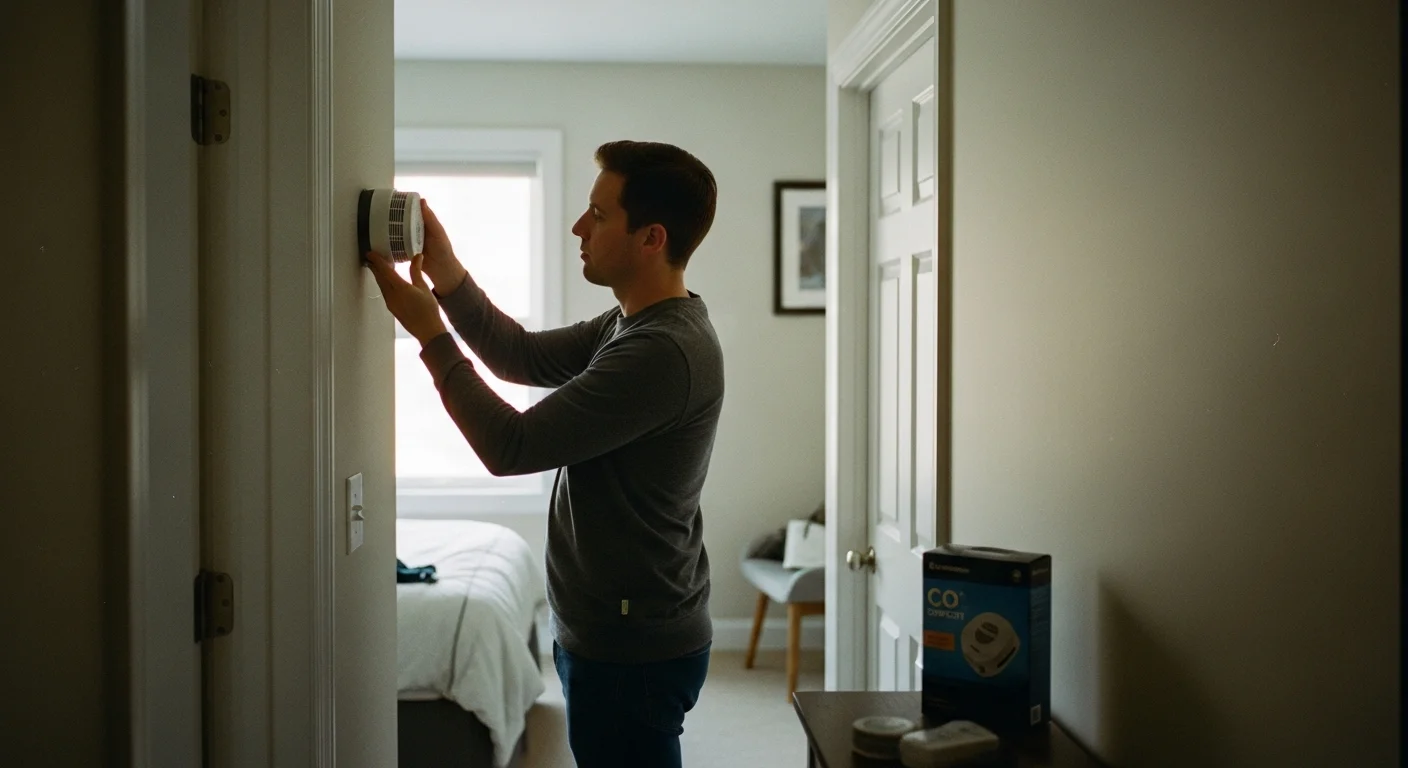
Regulatory Gaps in Residential Wood Burning Safety
The regulatory landscape governing residential wood burning reflects a fundamental tension between the desire to reduce emissions and the political and economic sensitivity of restricting a traditional, widely practiced, and economically necessary heating activity. The EPA’s 2015 New Source Performance Standards update established the first federal CO emission limits for wood stoves alongside strengthened PM2.5 requirements and introduced standards for previously unregulated appliance types. This represents genuine regulatory progress. However, the rule explicitly does not apply to existing appliances, which means the estimated 2 million-plus non-certified wood stoves currently in residential use across the United States operate outside any federal emissions framework.
Enforcement of the rules that do exist is structurally limited. Emissions certification applies at the point of manufacture, not at the point of operation. A certified stove operated with wet fuel, in an unlined chimney, by an operator who damps the air supply overnight, may emit multiples of its certified emission rates during every burn cycle, with no mechanism for detection, reporting, or regulatory response. The gap between certified performance and real-world operational emissions is a documented phenomenon in the wood heating sector that current regulatory frameworks have not yet addressed at the household level.
At the international level, the disparity is even wider. The World Health Organization guidelines for indoor air CO exposure set thresholds at 10 mg/m³ for 8-hour periods and 35 mg/m³ for 1-hour periods. Many jurisdictions lack indoor air quality enforcement mechanisms that would make these guidelines actionable in residential settings. Without mandatory installation of CO detection equipment, regular inspection requirements, and enforceable operational standards, the gap between scientific knowledge of wood-burning CO risk and its practical mitigation at the household scale remains substantial.
Transitioning Toward Cleaner and Safer Heating Systems
The most effective intervention for eliminating CO risk from wood-burning heating is appliance replacement. Electric heat pumps, which operate entirely through refrigerant cycle thermodynamics with no combustion component, produce zero CO, zero PM2.5, zero NOₓ, and zero VOCs at the point of use. The indoor air quality improvement from replacing a wood stove or fireplace with a heat pump system is immediate, complete, and does not require ongoing behavioral compliance with operational protocols to maintain.
For households in which cost or grid access constrains full electrification, intermediate options offer meaningful risk reduction. EPA-certified pellet stoves achieve more controlled and consistent combustion than cord wood appliances, with automated fuel feed systems that maintain stable fuel-air ratios and reduce operator-driven combustion variability. Pellet combustion produces lower CO concentrations than conventional wood burning under equivalent conditions, and many certified pellet appliances include direct outdoor air intake provisions that eliminate the combustion appliance zone depressurization risk present in conventionally drafted wood stoves.
The American Lung Association recommends that wood-burning stoves and fireplaces be avoided unless they serve as the primary heat source, a recommendation grounded in the cumulative evidence of their contribution to both indoor and outdoor air pollution. For households where wood burning is economically necessary, the combination of EPA-certified appliances, dry seasoned fuel, annual professional maintenance, and properly placed CO detection represents the minimum responsible operating standard. For households where alternatives exist, transitioning away from wood-based combustion heating represents the most direct path to eliminating residential CO risk and improving the broader community air quality burden that wood smoke, unlike individual household CO exposure, inevitably shares with neighbors and the surrounding airshed.