
Most people associate carbon monoxide (CO) poisoning with poorly ventilated garages or faulty space heaters sitting in a corner. What rarely enters the conversation is the role that central HVAC systems play in silently distributing this colorless, odorless gas through every room in a home or building. The HVAC system is, by design, the respiratory system of any structure. When that system intersects with combustion-based heating, the potential for CO to migrate indoors transforms from a fringe concern into a measurable, documented public health risk.
The insidious nature of CO exposure through HVAC pathways lies in its invisibility. Unlike a leaking pipe or a flickering light, neither the gas itself nor its movement through ductwork produces any sensory signal. Occupants breathe, sleep, and go about their routines while concentrations quietly climb. Understanding how this happens demands a hard look at both the mechanics of HVAC design and the chemistry of incomplete combustion.
Combustion vs Electric HVAC Systems: A Critical Emission Distinction
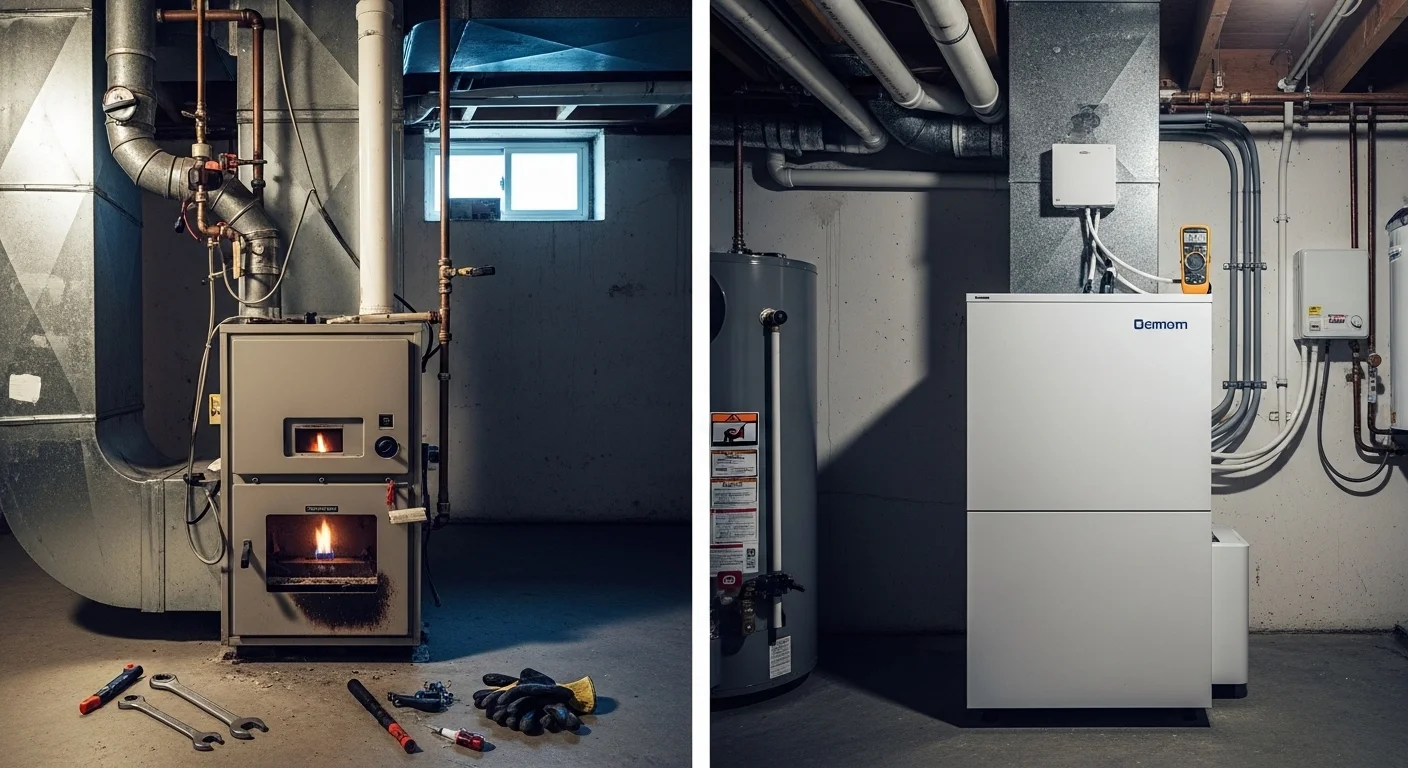
The foundation of this entire issue rests on one key engineering distinction: whether an HVAC system uses combustion to generate heat or relies purely on electrical energy conversion. Gas furnaces, oil boilers, and propane heating units all operate by burning a fuel. This combustion process, when complete, produces carbon dioxide and water vapor as primary byproducts. When combustion is incomplete, which happens far more frequently than manufacturers’ ideal specs suggest, carbon monoxide is produced instead.
Electric heat pumps, resistance heaters, and fully electric HVAC configurations produce no combustion byproducts whatsoever. The heat transfer in these systems occurs through refrigerant cycle compression or direct electrical resistance, neither of which generates CO. This distinction is not merely academic. It draws a hard line between two categories of indoor air quality risk that must be assessed and managed using entirely different frameworks.
The relevant science is straightforward. Natural gas is primarily methane (CH₄). Complete combustion of methane yields CO₂ and H₂O. When insufficient oxygen reaches the burner, or when the burner itself is fouled or misaligned, the reaction produces CO (carbon monoxide) rather than CO₂. Residential gas furnaces operating under real-world conditions with aging components and variable combustion air supply are far more prone to partial combustion than laboratory-certified units operating at peak performance.
How Carbon Monoxide Can Enter Indoor Air Through HVAC Pathways
Even when a gas furnace or boiler produces CO as a result of incomplete combustion, the gas must find a pathway into the occupied space to cause harm. HVAC systems provide multiple such pathways, and understanding each one is necessary for effective prevention. The three primary routes are heat exchanger breach, flue gas backdraft, and return air duct contamination.
The heat exchanger is the component in a forced-air furnace that separates the combustion gases from the circulating air supply. Hot combustion gases pass through the exchanger, heating the metal walls, which then warm the air flowing around them before it enters the duct system. A crack or perforation in this exchanger allows combustion gases, including CO, to mix directly into the air stream that is then blown throughout the entire building.
Backdrafting occurs when negative pressure inside a building overpowers the natural draft of the flue system. Modern homes are increasingly sealed for energy efficiency, and when exhaust fans, range hoods, or unbalanced HVAC blowers depressurize the building envelope, the path of least resistance for makeup air can become the flue pipe itself. When this happens, combustion gases flow backward down the flue and into the mechanical room or directly into the return air plenum. Return air contamination is particularly dangerous because the entire air distribution system then becomes a delivery mechanism for CO, carrying it to every room simultaneously.
Indoor Air Quality Risks: When HVAC Systems Become Silent Pollutant Carriers
The concept of indoor air quality (IAQ) encompasses a broad range of contaminants, but carbon monoxide holds a distinct position because it does not accumulate on surfaces or settle out of the air column. It remains suspended and breathable at any concentration. When an HVAC system is the distribution mechanism, the gas reaches locations far removed from its source with no visual, olfactory, or tactile warning to occupants.
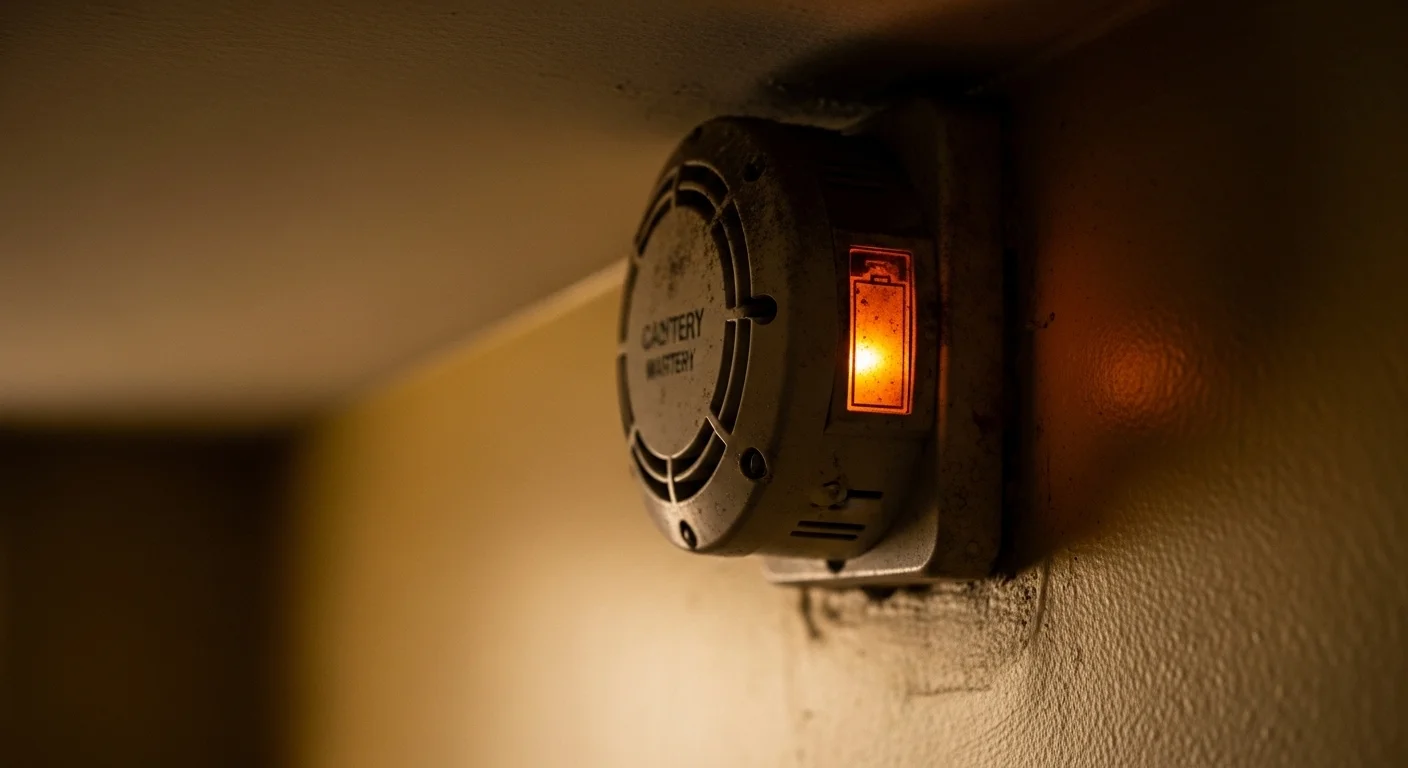
Research and field incident data consistently show that bedrooms are among the most dangerous zones in CO-related HVAC incidents. The reason is architectural. Sleeping areas are typically located at the end of duct runs, away from the mechanical room. Occupants in these spaces are already in a reduced-alertness state, and the physiological symptoms of early CO poisoning, including headache, fatigue, and drowsiness, are easily confused with normal sleep-related sensations or minor illness. Many CO poisoning incidents attributed to “flu-like symptoms” in winter months are later traced to HVAC system failures producing low-level chronic exposure rather than a single acute event.
Commercial and multi-unit residential buildings introduce additional complexity. A single centralized gas-fired air handling unit serving multiple floors or suites can distribute CO across a large occupied area rapidly. The interconnected nature of commercial duct systems means that a heat exchanger failure in a rooftop unit can affect dozens of occupants on multiple floors before any individual reaches a concentration that triggers clear symptoms.
Carbon Monoxide Poisoning Through HVAC Failures: Real-World Risk Analysis
Documented CO poisoning events linked to HVAC systems follow identifiable patterns. The majority involve gas-fired forced-air furnaces that are more than 15 years old, operating in homes with tightly sealed building envelopes, and which have not received professional inspection within the prior 12 months. Heat exchanger cracks are the most commonly cited mechanical cause, followed by blocked or improperly terminated flue venting.
The risk profile intensifies during the first cold weather operation of each season, a period HVAC professionals refer to as system “startup” or “commissioning.” After months of inactivity, cracked heat exchangers may have widened due to thermal cycling stress, bird or pest obstructions may have formed in flue pipes, and combustion components may have corroded. The first sustained heating cycle of the season is therefore the highest-risk operational period in any given year.
Hospitals and poison control centers see a statistically significant spike in CO-related presentations in the fall and early winter months, directly correlating with the onset of heating season. While automotive CO poisoning and portable generator misuse receive more media coverage, gas-fired HVAC system failures represent a persistent background source of residential CO exposure that operates below the headline threshold precisely because its onset is gradual rather than sudden.
System Failures and Maintenance Gaps That Increase CO Exposure Risk
Several specific failure modes and maintenance deficiencies are consistently linked to elevated indoor CO from HVAC systems:
- Cracked or corroded heat exchanger: Thermal expansion and contraction over repeated heating cycles causes metal fatigue. Cracks as narrow as a hairline allow combustion gases to bleed into the supply air stream.
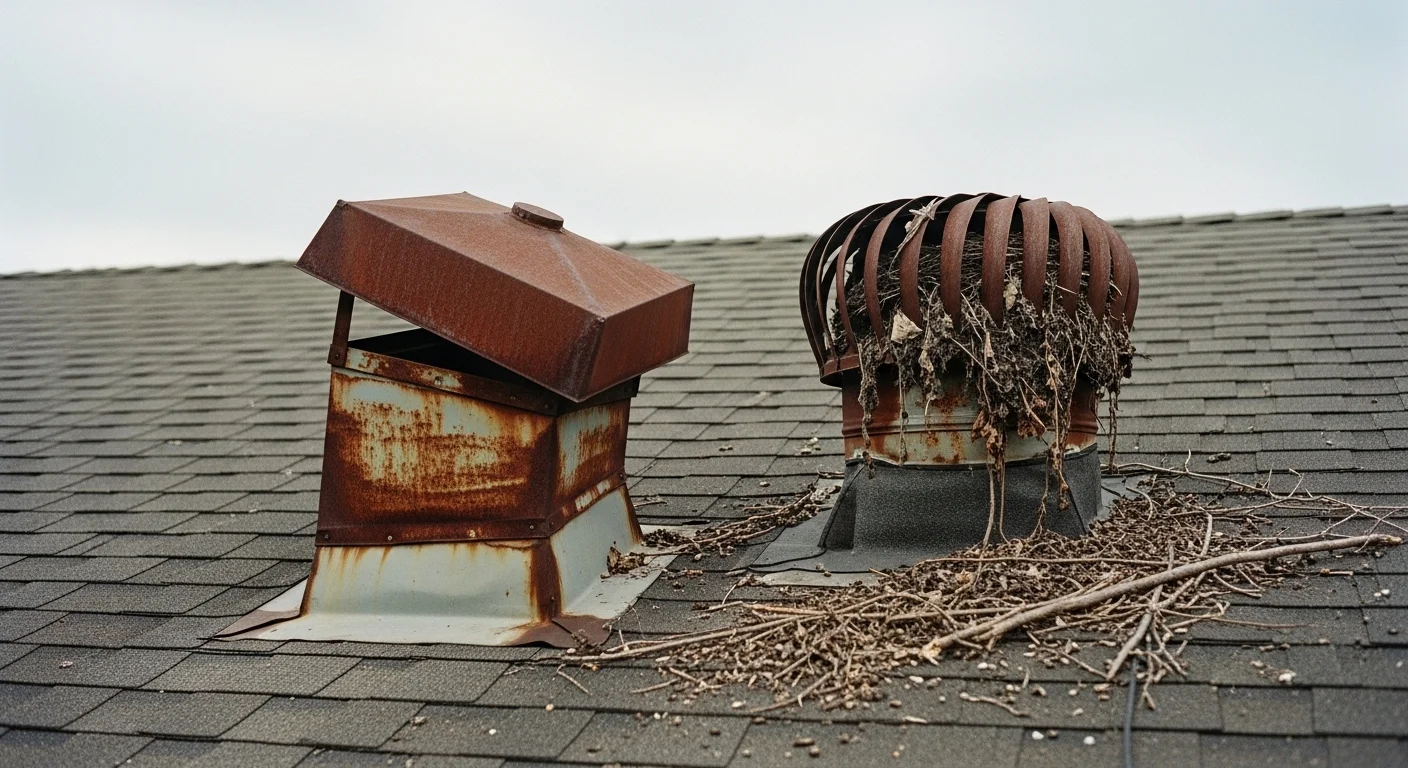
- Blocked or obstructed flue pipe: Debris, bird nests, ice dams at termination caps, or incorrect flue sizing prevent proper exhaust venting, causing combustion products to backdraft into the mechanical space.
- Improper combustion air supply: Gas furnaces require a specific volume of combustion air. When mechanical room doors are sealed or combustion air openings are blocked, oxygen-starved combustion produces elevated CO output.
- Dirty or misaligned burners: Accumulated dust, rust scale, or improper gas pressure settings disrupt the flame pattern, reducing combustion efficiency and increasing CO output.
- Failed or absent draft inducer motor: Induced draft furnaces rely on a motorized fan to pull combustion gases through the heat exchanger and out the flue. When this motor fails or runs at reduced speed, exhaust gases stagnate and can reverse into the air stream.
- Oversized return air systems with negative pressure: Aggressive return air configurations can depressurize the mechanical room relative to the flue, promoting backdraft even in otherwise properly functioning systems.
The maintenance gap issue compounds these mechanical risks. A substantial portion of residential gas furnaces in North American housing stock operate for years without professional inspection. Visual inspection by untrained occupants cannot detect heat exchanger cracks, which are often internal and accessible only with specialized tools and lighting.
Environmental and Public Health Implications of Indoor Carbon Emissions
Carbon monoxide exposure from residential and commercial HVAC systems sits at the intersection of environmental science and public health policy in a way that receives insufficient institutional attention. The U.S. Centers for Disease Control and Prevention estimates that CO poisoning causes more than 400 unintentional, non-fire-related deaths annually in the United States, with tens of thousands of emergency department visits each year. A significant fraction of these incidents involve residential heating equipment.
From an environmental standpoint, incomplete combustion from gas-fired HVAC systems also produces measurable quantities of nitrogen oxides and ultrafine particulates, both of which carry independent health burdens. These co-pollutants travel through the same ductwork pathways as CO, meaning that a poorly maintained combustion system is not simply a CO hazard but a broader air quality liability. The environmental justice dimensions are pronounced: older housing stock with aging mechanical systems disproportionately concentrates in lower-income communities, creating unequal exposure burdens that persist because the economic barriers to furnace replacement or professional maintenance are substantial.
Global health organizations have recognized indoor air pollution as one of the largest environmental health risks worldwide. The World Health Organization has documented that household air pollution, including combustion products from heating and cooking equipment, contributes to a significant global disease burden. Within the context of developed nations, the HVAC-CO pathway represents a preventable subset of this burden that is amenable to technical intervention without requiring wholesale changes to housing infrastructure.
Scientific Thresholds: At What Levels Does Carbon Monoxide Become Dangerous?
Understanding CO risk requires precise reference to established exposure thresholds, not vague warnings. Carbon monoxide exerts its toxicity by binding to hemoglobin with approximately 240 times greater affinity than oxygen, forming carboxyhemoglobin (COHb) and preventing oxygen delivery to tissues. The physiological effect is therefore a form of chemical asphyxiation that intensifies with both concentration and duration of exposure.
The U.S. Environmental Protection Agency’s National Ambient Air Quality Standards (NAAQS) set the outdoor air standard at 9 parts per million (ppm) averaged over 8 hours and 35 ppm over 1 hour. These figures serve as the basis for indoor benchmarks as well. The following concentration-effect relationships define the risk spectrum:
- 9 ppm (8-hour average): Maximum safe indoor level per EPA and ASHRAE guidelines; no symptoms expected in healthy adults.
- 35 ppm (1-hour average): Headache and dizziness may begin in sensitive individuals; EPA 1-hour outdoor threshold.
- 70 ppm (sustained): UL-certified CO alarms must trigger within 1 to 4 hours at this concentration; symptoms become pronounced.
- 150–200 ppm: Headache, dizziness, and disorientation within 2 to 3 hours; represents a serious health threat.
- 400 ppm: Life-threatening within 3 hours; CO alarms must trigger within 4 to 15 minutes.
- 800 ppm: Convulsions and death within 2 to 3 hours.
- 1,600 ppm and above: Fatal exposure within 1 hour or less.
Children, elderly individuals, people with cardiovascular or respiratory disease, and pregnant women reach clinically significant COHb levels at lower concentrations and shorter exposures than healthy adults. An HVAC system with a cracked heat exchanger operating in a tightly sealed home can realistically generate sustained indoor concentrations in the 35 to 200 ppm range over hours, precisely the range where symptoms are present but ambiguous enough to delay recognition and response.
Preventive Strategies: Reducing HVAC-Related Carbon Monoxide Risks
Effective prevention of HVAC-related CO exposure combines detection, maintenance, and system design practices. No single measure is sufficient in isolation. The EPA recommends annual professional inspections of all fuel-burning appliances, including furnaces, flues, and chimneys, as the foundational prevention practice.
Detection infrastructure must be installed and maintained correctly. While many homeowners rely on standard fire detection systems, it is important to understand their limitations. For a detailed explanation, read our guide on can fire detectors detect carbon monoxide. CO alarms should be placed on each floor of a home, outside each sleeping area, and within 15 feet of any gas-fired appliance in mechanical spaces that connect to occupied areas. Alarm placement matters enormously: CO does not stratify significantly by density the way some gases do, but proximity to sleeping occupants is the primary survival factor when nighttime accumulation occurs. Alarms should be replaced per manufacturer specifications (typically every 5 to 7 years) and tested monthly.
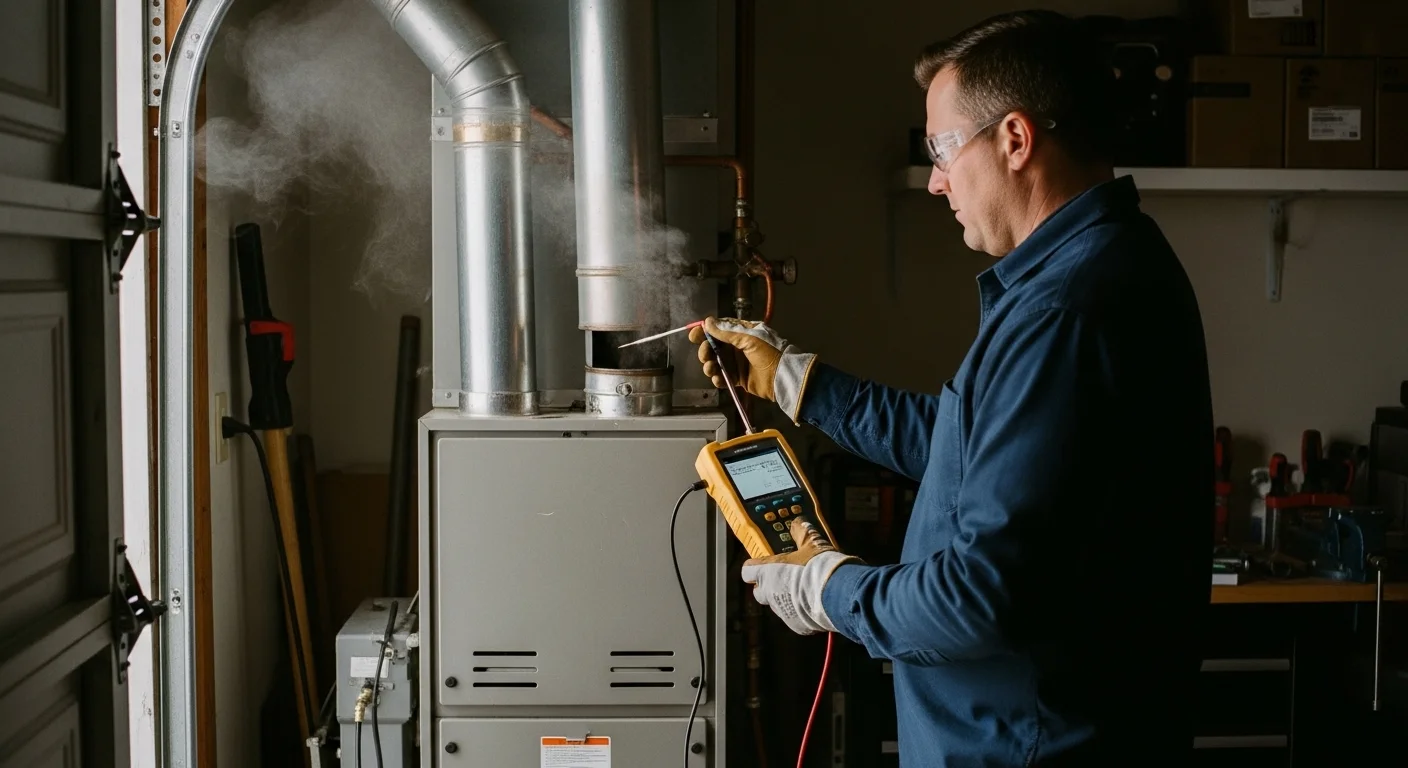
Annual professional maintenance of gas-fired HVAC systems should include combustion efficiency analysis using calibrated instruments that detect CO in the flue and supply air stream, heat exchanger visual inspection with a camera or probe light, flue integrity and termination inspection, burner cleaning and adjustment, and combustion air supply verification.
Building envelope considerations require attention alongside mechanical maintenance. As homes are air-sealed for energy efficiency, combustion air supply for gas appliances must be either rebalanced through the mechanical room or replaced with direct-vent equipment that draws combustion air from outside rather than from the conditioned space. Installing exhaust fans with makeup air provisions reduces the building depressurization that drives backdraft conditions.
Upgrading aging systems remains the most reliable long-term prevention strategy. Gas furnaces older than 15 to 20 years have degraded heat exchangers, reduced combustion efficiency, and outdated safety controls. Modern sealed-combustion condensing furnaces, and particularly the transition to all-electric heat pump systems, eliminate the combustion-related CO pathway entirely.
Why Electric HVAC Systems Do Not Generate Carbon Monoxide (But Still Matter)
Electric heat pumps and resistance-based HVAC systems are, by their fundamental operating principles, incapable of producing carbon monoxide. There is no combustion, no flame, no fuel oxidation. The heat pump moves thermal energy between indoor and outdoor environments through a refrigerant cycle driven by electrical compression. Resistance heaters convert electrical energy directly into heat through resistive wire elements. Neither process involves any chemical reaction that could produce CO.
This physical reality has significant implications for both indoor air quality and the broader transition away from fossil-fuel-based building systems. Residential and commercial buildings that replace gas-fired HVAC equipment with all-electric alternatives eliminate the combustion CO risk pathway completely and permanently. The indoor air quality case for electrification is therefore distinct from and complementary to the climate case: it represents a direct reduction in occupant health risk rather than simply a reduction in greenhouse gas emissions.
However, electric HVAC systems are not without indoor air quality relevance. Heat pumps and air handlers can accumulate biological contamination in drain pans and evaporator coils, circulate particulate matter if filtration is inadequate, and distribute volatile organic compounds from building materials when operating at high air exchange rates. The elimination of the CO pathway does not eliminate the need for regular maintenance, filter changes, and coil cleaning. The difference is that these remaining issues do not carry the acute lethality potential of a combustion-related CO event. Occupants and building managers who transition to electric HVAC gain a measurably safer baseline for indoor air quality, while still carrying responsibility for the non-combustion aspects of system hygiene.
The practical message for homeowners, property managers, and public health professionals is clear: combustion-based HVAC systems require active, systematic management to prevent CO from becoming an invisible occupant. Electric systems remove that specific risk. In either case, indoor air quality monitoring, professional maintenance schedules, and a rigorous understanding of how air distribution systems interact with emission sources are the foundation of any building environment that takes occupant health seriously.