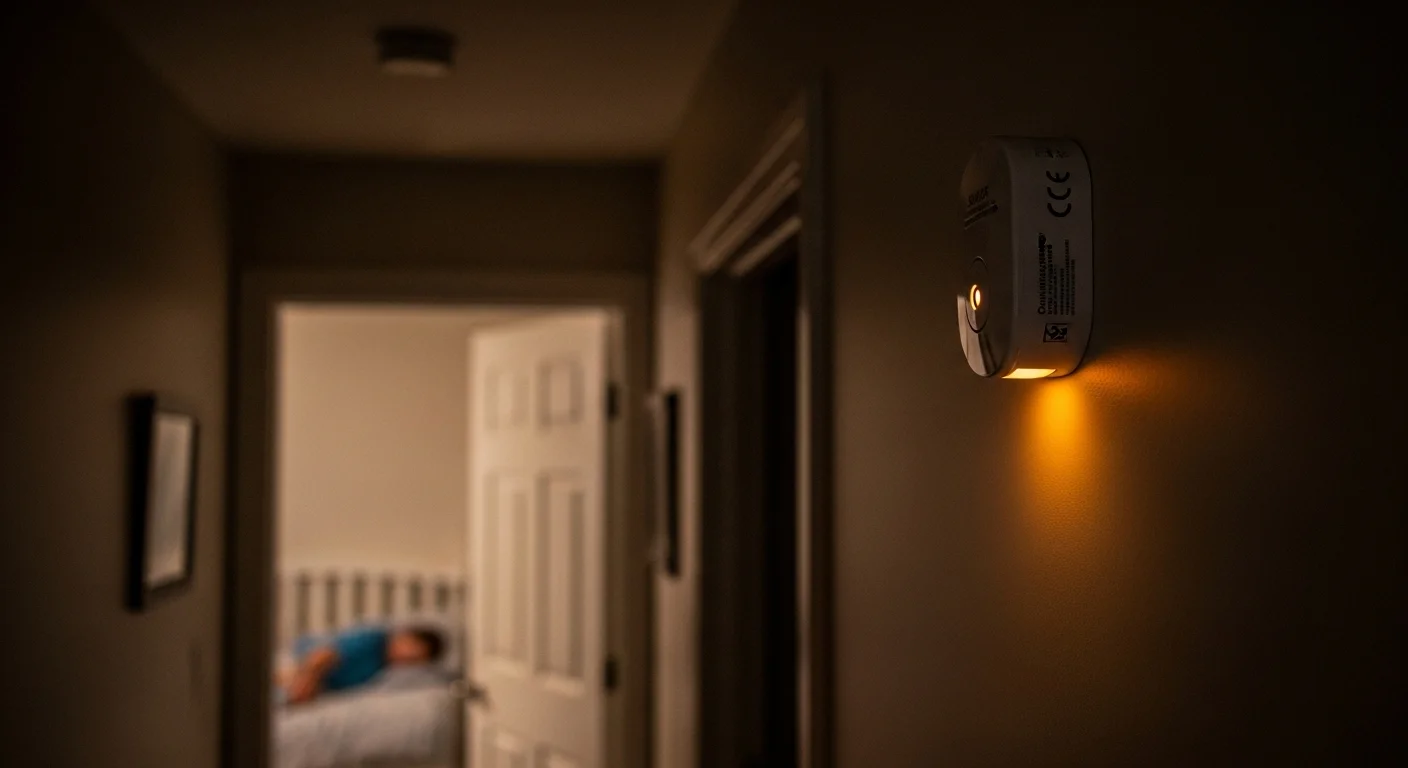

Every year, tens of thousands of households confidently believe their smoke detector will save them from any invisible airborne threat. That assumption is wrong, and in the case of carbon monoxide, it is potentially fatal. Standard fire detectors operate on principles that are physically incapable of responding to gas molecules. Understanding why requires a brief but necessary examination of sensor physics, and the answer carries consequences far beyond a simple product recommendation within broader environmental safety and monitoring insights.
Carbon monoxide is responsible for approximately 28,900 deaths annually worldwide, according to the Global Burden of Disease Study 2021, published in The Lancet Public Health. The overwhelming majority of these deaths occur in domestic settings, in homes equipped with functioning fire alarms that detected nothing, because they were never designed to. This is not a product failure. It is a fundamental mismatch between the hazard and the technology deployed against it.
Functional Limitations of Fire Detection Systems in Gas Exposure Scenarios
The two dominant technologies in residential fire detection are ionization-based detectors and photoelectric detectors. Ionization detectors contain a trace amount of radioactive material, typically Americium-241, held between two electrically charged plates. This configuration ionizes the air within the sensing chamber and maintains a steady low-level electrical current. When smoke particles enter, they disrupt the flow of ions, the current drops, and the alarm triggers. The system is responsive to the fine particles produced by fast-flaming fires.
Photoelectric detectors take a different approach. A focused light source is directed into a sensing chamber at a precise angle, away from a photosensitive cell. Smoke particles from slow, smoldering fires scatter that light onto the sensor, triggering the alarm. Both sensor types are fundamentally particle detection systems, engineered to respond to the physical disruption caused by combustion byproducts in particulate form. Neither has any mechanism for responding to molecular gas chemistry.
Carbon monoxide (CO), however, is a colorless, odorless gas molecule with a molecular weight of 28.01 g/mol and a density close to that of air itself. It generates no particulate matter. It does not scatter light. It does not disrupt an ionic current. A 2024 critical review published in Environmental Science: Atmospheres confirmed that since the incomplete combustion of hydrocarbons produces CO alongside only trace particles, a particle sensor offers essentially no protection against CO poisoning. The physics of the hazard and the physics of the detector simply do not overlap.
Dedicated carbon monoxide detectors operate on an entirely different mechanism. The most reliable residential units use an electrochemical sensor: electrodes submerged in a chemical solution that generates a measurable electrical current proportional to the amount of CO absorbed. This electrochemical reaction is tuned to the specific molecular signature of CO, which is why it does not cross-react with smoke particles, cooking steam, or humidity fluctuations. Biomimetic colorimetric sensors and metal-oxide semiconductor variants also exist, but the electrochemical cell remains the most sensitive and specific option for residential deployment.
Carbon Monoxide as a Diffuse Indoor Pollutant
CO is not an exotic industrial chemical. It is the direct product of incomplete combustion, a process that occurs in virtually every fuel-burning appliance found in a standard residential building. Gas cookers, boilers, portable generators, kerosene heaters, wood stoves, clogged chimneys, and attached garages all represent routine CO sources. A 2024 study from Fraunhofer WKI documented measurable CO concentration spikes in modern kitchens during routine gas cooking without exhaust ventilation, which means CO exposure in many households is not a catastrophic event but a chronic background condition.
What distinguishes CO from most other indoor pollutants is the speed and covertness of its toxicity. At the cellular level, CO binds to haemoglobin with an affinity approximately 200 times greater than oxygen, forming carboxyhaemoglobin (COHb) and displacing oxygen from the bloodstream with no sensory warning whatsoever. The WHO Guidelines for Indoor Air Quality note that any person with impaired cardiac, vascular, or pulmonary function faces heightened sensitivity to these acute hypoxic effects. Symptoms such as persistent headache, nausea, and dizziness are so nonspecific that they are routinely attributed to influenza, and occupants can lose consciousness before perceiving any danger.
The gas also disperses differently than smoke. Because CO has a relative density close to 0.967 (air = 1.0), it does not rise and pool at the ceiling in the way that combustion smoke does. It disperses throughout a room relatively uniformly, which makes ceiling-mounted smoke detectors particularly ineffective as a proxy CO warning. This physical behavior is precisely why dedicated CO sensors should be placed closer to sleeping areas and fuel-burning appliances rather than at ceiling height.
Detection Technology Gap in Residential Safety Infrastructure
The market response to the sensor gap between smoke and CO detection is the combination detector, a single unit integrating both an ionization or photoelectric smoke sensor and an electrochemical CO cell. These products are widely available and effective when properly certified, but their prevalence has introduced its own form of complacency. A combination unit without explicit dual certification provides no CO protection regardless of what its packaging implies or how prominently it is marketed as a safety device.
Homeowners and building managers should verify that any device carries both UL 217 (smoke detection) and UL 2034 (carbon monoxide detection) certifications. A product meeting only one standard protects against only one hazard. The 2024 International Building Code update extended CO alarm requirements beyond residential and school occupancies to all building types under IBC 915, a significant regulatory step that nonetheless still leaves many older buildings and rental properties unaddressed.
The sensor lifespan issue compounds this risk further. Electrochemical CO sensors have a finite service life, typically five to seven years, after which their chemical reagents are depleted. A unit that continues to emit low-battery chirps is not necessarily detecting CO. Tens of millions of households in the United States and Europe are estimated to operate CO detectors that have exceeded their rated service life, functioning as false assurance rather than genuine protection.
Misconceptions That Reinforce Systemic Risk
Several persistent misconceptions compound the detection gap and convert individual ignorance into a population-level safety failure. Each one is grounded in a reasonable but incorrect assumption about how residential safety systems function.
The most dangerous is the belief that a functioning smoke alarm provides implicit assurance against CO. A triggered smoke alarm and an unresponsive CO sensor can coexist in the same room during an active CO event. The two sensors respond to completely different physical phenomena, and their outputs carry no mutual information. Absence of a smoke alarm signal says nothing about CO concentration.
Equally common is the assumption that CO only originates from gas appliances. In reality, any fire, including an electrical fire igniting structural materials, produces CO through incomplete combustion. CO poisoning can develop before visible smoke is present and before a smoke alarm would activate, meaning a fire event can progress to a lethal gas exposure in the complete absence of any alarm signal whatsoever.
A third misconception concerns the relationship between detector activity and detector function. A depleted electrochemical cell will still respond to power-related diagnostic tests and emit low-battery signals, but it may no longer react to CO at any concentration. Manufacturers print manufacture dates on devices precisely because the chemical cell, not the electronic circuitry, determines the unit’s functional life. An old detector that beeps is not a working detector.
Finally, the belief that a single detector per household provides adequate coverage significantly underestimates CO’s behavior in real building conditions. CO concentrations are not uniform across a structure. A generator in an attached garage produces markedly different concentrations in the garage versus a third-floor bedroom. Multiple detectors on each floor and adjacent to sleeping areas are not overcaution but the minimum scientifically justified placement standard.
The Hidden Environmental and Public Health Cost of Carbon Monoxide Exposure
The gap between smoke detection and CO detection carries a quantifiable human cost that rarely appears in consumer product discussions. According to the Global Burden of Disease Study 2021, published in The Lancet Public Health, unintentional CO poisoning resulted in approximately 28,900 deaths and 1.18 million years of life lost globally in 2021 alone. These are not occupational or industrial statistics. They are predominantly domestic deaths, attributable to heating, cooking, and generator use in residential buildings that, in many cases, had fire alarms installed and functioning.
The geographic distribution of this burden is not random. Eastern Europe recorded the highest age-standardised CO mortality rate, accounting for roughly 19 percent of all global CO poisoning deaths despite hosting only 3 percent of the global population. The study attributes this concentration to long cold winters, poorly ventilated housing stock, and continued reliance on faulty or improperly maintained heating systems. This is fundamentally an energy poverty problem as much as a technology problem. Communities that cannot afford modern, well-vented appliances or regular professional maintenance face measurably higher mortality, and no detector standard closes that gap on its own.
The environmental dimensions extend further than mortality statistics alone. CO is a product of the same incomplete combustion chemistry that drives outdoor air pollution and contributes to tropospheric ozone formation. A 2024 study of gas stove emissions in U.S. homes found that EPA Air Quality Index thresholds for CO, nitrogen dioxide, and PM2.5 were exceeded on average for 99 minutes per day during normal cooking. The gas cooking appliance in a residential kitchen is therefore simultaneously a CO poisoning risk and a chronic indoor air quality liability, linking household safety directly to the broader argument for electrification of domestic energy use.
The Cost-Benefit Case for Universal CO Detection
Research associated with the CDC has demonstrated that installing CO detectors across a majority of American households yields a benefit-to-cost ratio of between 5.6:1 and 7.2:1 even under conservative assumptions. This figure does not account for the substantial but difficult-to-quantify economic burden of non-fatal CO poisoning: emergency hospitalisations, neurological sequelae including memory impairment and cognitive decline, and productivity losses from sub-acute chronic exposure at concentrations that do not trigger current alarm thresholds. The economic case for universal, certified CO detection is robust, and the regulatory case is stronger still.
Built Environment and Ventilation as Determinants of CO Risk
The physical structure and ventilation characteristics of a building are not passive backdrops to CO risk. They are active determinants of exposure severity. Research from the CO Research Trust in the United Kingdom identified dwelling type, fuel type, floor area, and effective ventilation as modifiers of indoor CO concentration. Bungalows, terraced houses, and flats consistently showed higher estimated indoor CO levels than detached homes, not because their appliances were less safe, but because their geometry and air exchange rates accumulate combustion gases differently.
Energy efficiency retrofits introduce a less-discussed complication. Interventions that reduce air infiltration to improve thermal performance have been shown to increase the proportion of dwellings exceeding recommended CO thresholds by approximately 15 percent. This is a green building paradox with real consequences: the very measures intended to reduce energy consumption and domestic carbon emissions can simultaneously elevate indoor CO risk if not deliberately paired with mechanical ventilation strategies. A well-insulated home without adequate air exchange is a more efficient structure and a more effective CO trap.
Proper chimney and flue maintenance is a structural ventilation issue, not merely a housekeeping task. Blockages from bird nests, structural settlement, or deferred maintenance convert a safely vented combustion appliance into an unvented one. The U.S. EPA recommends annual professional inspection of all central heating systems precisely because the ventilation pathway, not just the appliance itself, determines whether combustion gases exhaust to atmosphere or accumulate indoors.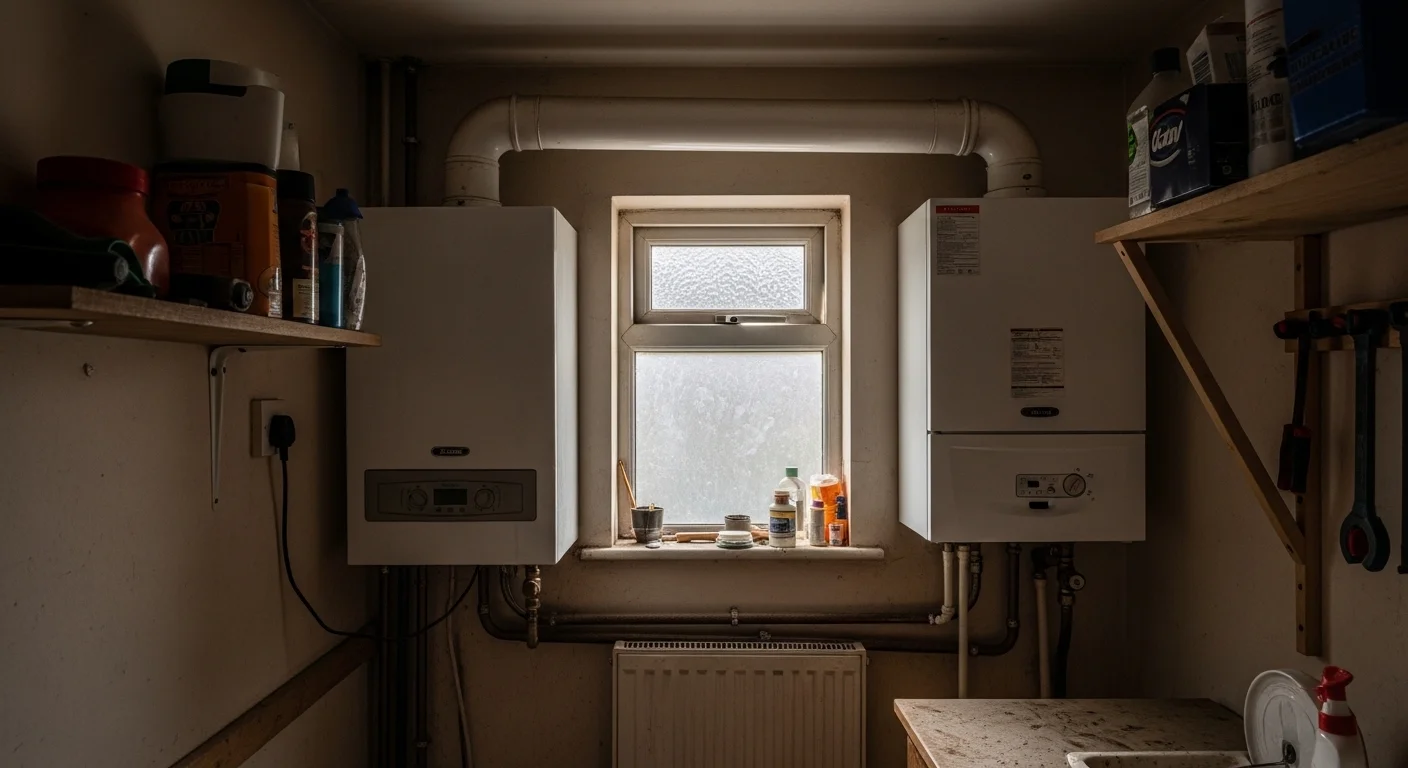
Toward a Scientifically Robust Carbon Monoxide Safety Framework
A practical CO safety framework begins with accepting that CO and smoke are chemically and physically distinct threats requiring dedicated, independently certified detection systems. The following measures represent the minimum standard for any fuel-burning household, grounded in current sensor science and building physics rather than manufacturer convenience.
- Install combination detectors with dual certification. Verify UL 2034 (CO) and UL 217 (smoke) independently. One standard does not imply the other, and marketing language on packaging is not a substitute for certification verification.
- Observe sensor lifespan. Replace electrochemical CO cells every five to seven years from the manufacture date printed on the device, not from the date of battery replacement or installation.
- Multi-floor and multi-zone placement. Install detectors on every floor, adjacent to sleeping areas, and within 15 feet of all fuel-burning appliances including any attached garage.
- Annual combustion appliance inspection. Furnaces, water heaters, gas ranges, fireplaces, and all flue pathways should be professionally inspected each heating season before temperatures require sustained use.
- Ventilation integrity assessment. Do not assume that energy-efficiency retrofitting has maintained adequate air exchange. An HVAC engineer can assess whether mechanical ventilation compensates for reduced natural infiltration.
- Eliminate CO at the source. Transitioning gas heating and cooking to electric equivalents removes combustion chemistry entirely from the domestic environment. This is the most structurally reliable long-term CO risk reduction strategy available to residential occupants.
Symptoms that may indicate chronic sub-acute CO exposure include persistent headache clustering in specific rooms or at specific times of day, unexplained fatigue, repeated nausea without fever, and disorientation that resolves when leaving the building. These should be treated as environmental health signals and investigated accordingly, not dismissed as general malaise or attributed to illness without ruling out an atmospheric cause.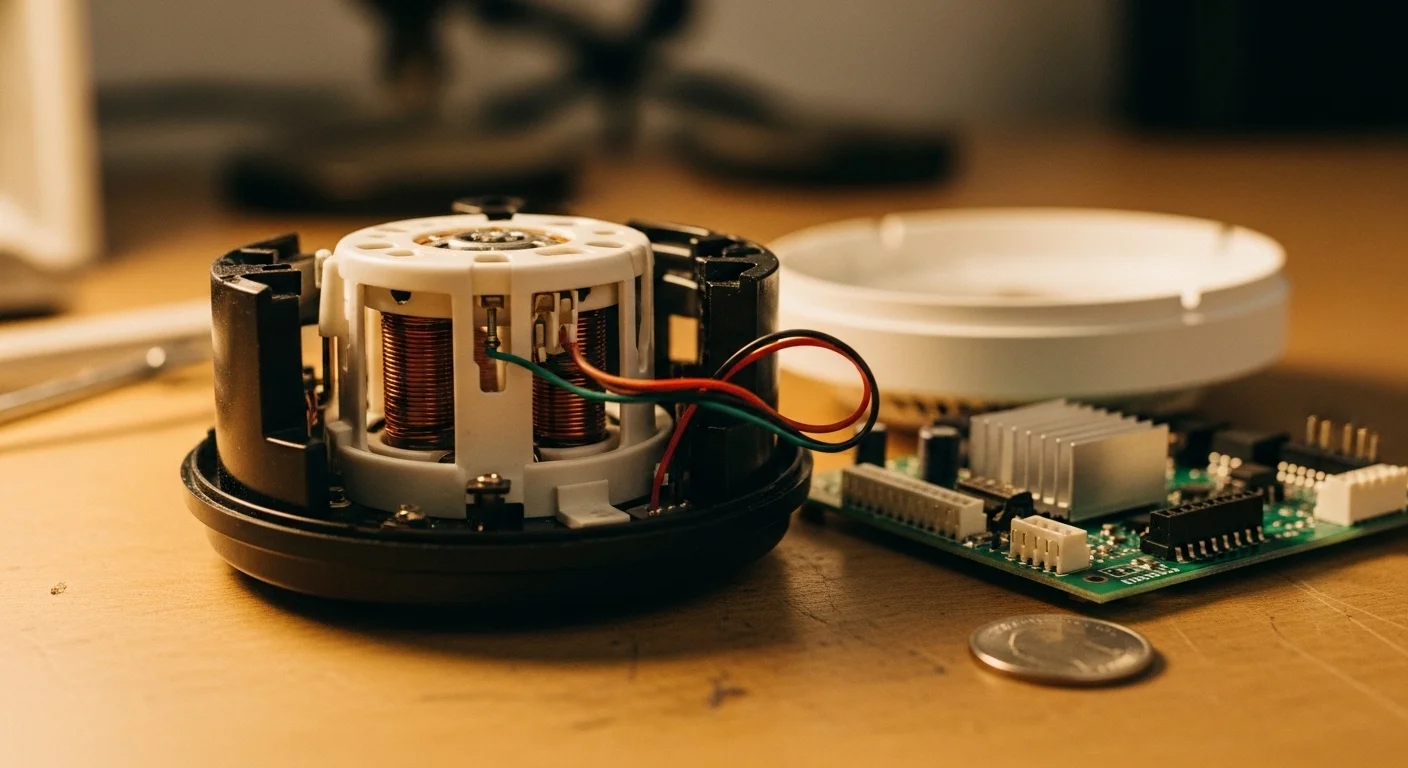
Regulatory Fragmentation and Gaps in Indoor Air Safety Policy
Despite the quantifiable burden of CO poisoning, indoor air quality regulation remains fragmented, inconsistent, and largely voluntary in most jurisdictions. As the Association of State and Territorial Health Officials observed in 2025, the federal government’s authority over indoor air quality in the United States is limited to federal buildings, and no comprehensive national indoor air quality regulation governs the residential sector. Improvements in outdoor ambient air quality driven by Clean Air Act enforcement can indirectly improve some indoor concentrations, but that is not the same as enforceable indoor CO standards with defined exposure limits and compliance mechanisms.
A landmark 2024 paper published in Science by an international consortium of indoor air quality researchers called for mandatory numerical limits for CO as one of four priority indoor pollutants in public buildings. The accompanying analysis of the International Environmental Quality Guidelines Database found that of over 160 country-level indoor air quality parameters, CO had only 16 government regulations and 31 guidelines worldwide, with most applying to public rather than residential spaces. The residential environment, where the majority of CO poisoning deaths occur, remains the least regulated setting in which humans spend the most time.
Washington State took a notable step in 2023 by establishing an interagency CO working group with a mandate to address at-risk populations and non-domestic CO sources, with a legislative report due in December 2024. This kind of targeted policy engagement is the exception rather than the norm. Most jurisdictions continue to treat CO detection as a consumer product choice rather than a public health infrastructure requirement, a position that is increasingly difficult to reconcile with the available global mortality data.
Transitioning from Fire Safety to Integrated Environmental Hazard Detection
The question of whether fire detectors can detect carbon monoxide is, at its core, a question about how residential safety infrastructure was designed and what threats it was built to address. Fire safety systems were engineered around the visible, the particulate, and the thermal. Carbon monoxide belongs to a different category entirely: the chemical, the diffuse, and the molecularly specific. These are not overlapping detection domains, and treating them as interchangeable has cost lives in every country where residential fuel combustion remains the norm.
Emerging sensor technologies are beginning to close this gap in meaningful ways. Next-generation systems integrating multi-sensor fusion, combining electrochemical CO cells, particulate sensors, gas-specific semiconductor arrays, and AI-driven pattern recognition, represent the trajectory toward genuine multi-hazard environmental monitoring. Brunel University London published peer-reviewed research in 2025 demonstrating that IoT-integrated sensor networks achieved above 95 percent accuracy in fire prediction while simultaneously enabling continuous indoor air quality monitoring. These are not speculative futures. They are commercially adjacent technologies that reframe residential safety as proactive environmental health management rather than reactive alarm response.
For envirotechinfo.com readers, the connection to green technology is direct and structural. The electrification of domestic energy is the most architecturally sound CO prevention strategy available at scale. Heat pump heating, induction cooking, and electric water heating eliminate the combustion chemistry at its source. No combustion means no incomplete oxidation, no CO production, and no requirement for electrochemical detection of a gas that is never generated. The fire safety conversation and the environmental health conversation are the same conversation, governed by the same underlying physics, and pointing toward the same solution.